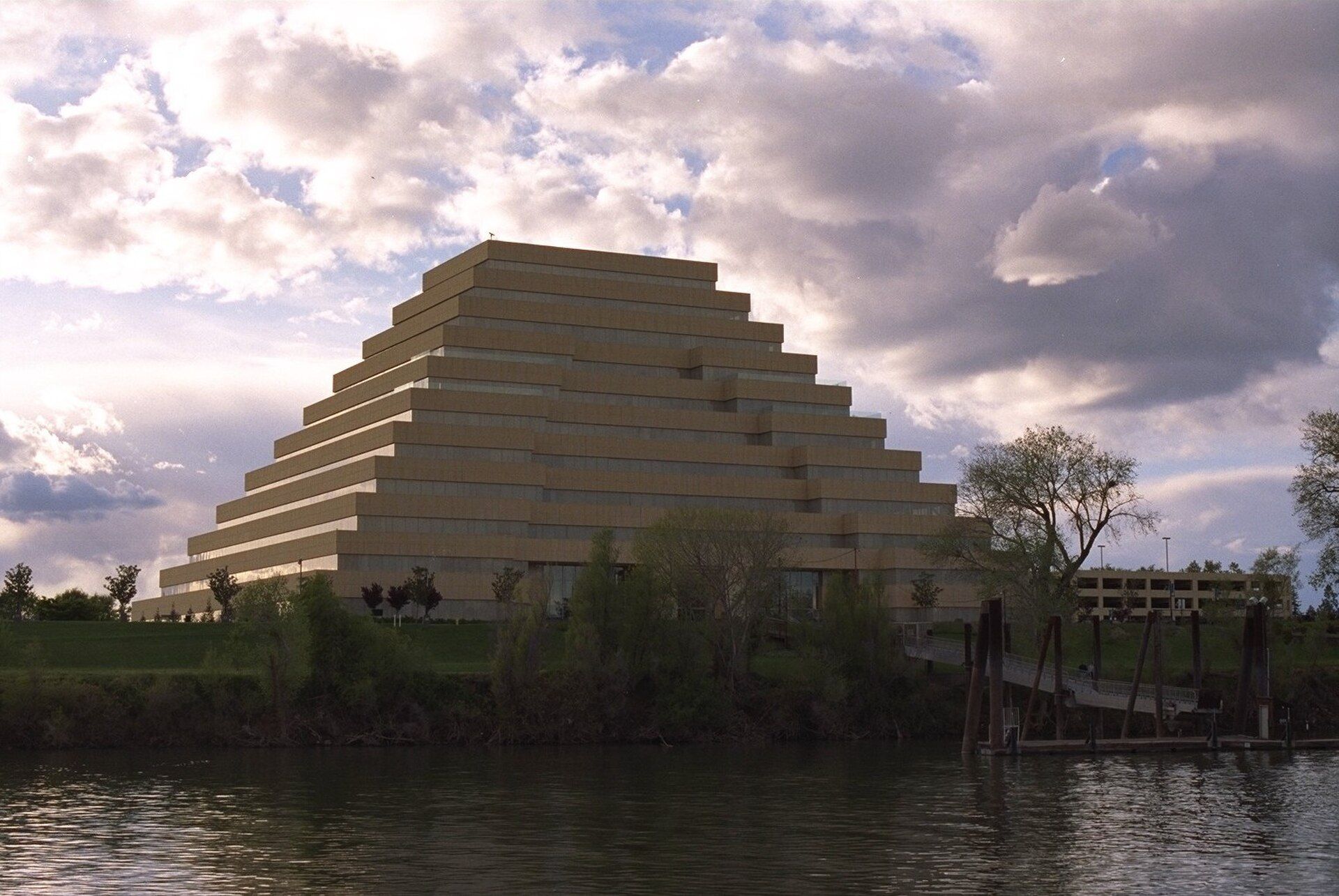
Sacramento River bank in West Sacramento, California

Commercial Building Controls in West Sacramento, CA

Building automation, HVAC controls, integration, and troubleshooting for West Sacramento industrial, food, office, research, and mixed-use facilities.

West Sacramento service overview

Building Automation & Controls planned around West Sacramento facilities

Building automation, HVAC controls, integration, and troubleshooting for West Sacramento industrial, food, office, research, and mixed-use facilities.

PMC plans the Building Automation & Controls scope in West Sacramento around the building's use, occupied hours, existing equipment, service access, and documented project requirements.

  • Port, food and agriculture, warehouse, manufacturing, and logistics facilities
  • Bridge District, Washington District, and riverfront office and mixed-use properties
  • West Capitol Avenue retail, hospitality, restaurant, and service businesses
West Sacramento service guide

Commercial Building Controls in West Sacramento, CA

Building automation, HVAC controls, integration, and troubleshooting for West Sacramento industrial, food, office, research, and mixed-use facilities.

Building controls in West Sacramento can serve office schedules, warehouse comfort zones, production-support ventilation, restaurant equipment, cold rooms, and new mixed-use common areas. The value comes from translating approved operating requirements into understandable points, sequences, alarms, and trends. Peak Mechanical Construction coordinates controls with the field equipment and defined responsibilities rather than approaching the software screen as a stand-alone installation.

Industrial and food-facility controls

Industrial properties extending toward the Deep Water Ship Channel can place offices, loading zones, work areas, and equipment rooms under one control system. Food-related facilities may add refrigeration status, temperature points, exhaust or make-up-air sequences, and alarms. PMC works from the engineering sequence and owner equipment information to identify required inputs, outputs, interlocks, and vendor interfaces.

Existing buildings may contain standalone equipment controllers, older networked devices, and proprietary platforms at the same site. Before integration, PMC identifies accessible controllers, communication protocols, field devices, network boundaries, owner access, and third-party service responsibilities. This makes it possible to define a targeted upgrade while preserving functional components where the project supports that choice.

Control architecture for a changing district

The Bridge District’s shift from former industrial land toward mixed use introduces base-building, tenant, common-area, and future-phase questions. Current planning for a large office and research-and-development building adds another potential controls context. Decisions about network topology, point naming, alarm routing, data storage, access rights, and future connections should be coordinated during design rather than improvised as each tenant arrives.

PMC can review controls submittals alongside HVAC and other mechanical equipment, coordinate device locations and communication interfaces, and track startup responsibilities. For phased occupancy, the sequence should state how the first completed area operates before every future component is installed.

Trend data can show schedules, commands, temperatures, and equipment status over time. It can reveal a useful pattern, but it does not distinguish every root cause. PMC compares available data with sensor readings, actuator response, communication, airflow, equipment behavior, room use, and recent changes. Corrective work is proposed only after that evidence is considered.

Industrial operators may also need alarm priorities that separate an actionable condition from routine status. The facility team defines recipients and response expectations, while the project identifies which controller or external system generates and routes each alarm. Specialized product monitoring or validation stays with the responsible party unless explicitly included.

Planned cutover and operator handoff

Controls changes can affect several connected systems at once. PMC develops a cutover sequence around facility hours, production limits, tenant schedules, and equipment availability. Settings or existing information that must be retained are identified, and relevant functions are checked against the approved sequence before the phase closes.

Provide the West Sacramento address, platform and version if known, affected equipment, desired outcomes, alarm or trend examples, owner-network requirements, and current support vendors. Those details guide a productive controls assessment.

It is also helpful to identify who currently receives alarms, which operators have administrator access, and whether recent tenant or equipment changes preceded the reported behavior. That operational history can reveal whether the requested work is a repair, a sequence revision, an interface project, or a broader controls modernization.

Client verticals

Building Automation & Controls for West Sacramento Facilities

PMC plans building automation & controls work around the operating requirements of West Sacramento's commercial, industrial, institutional, and public facilities.

Hover or focus to preview. Select a facility type to open its full West Sacramento industry brief.

More PMC Services in West Sacramento
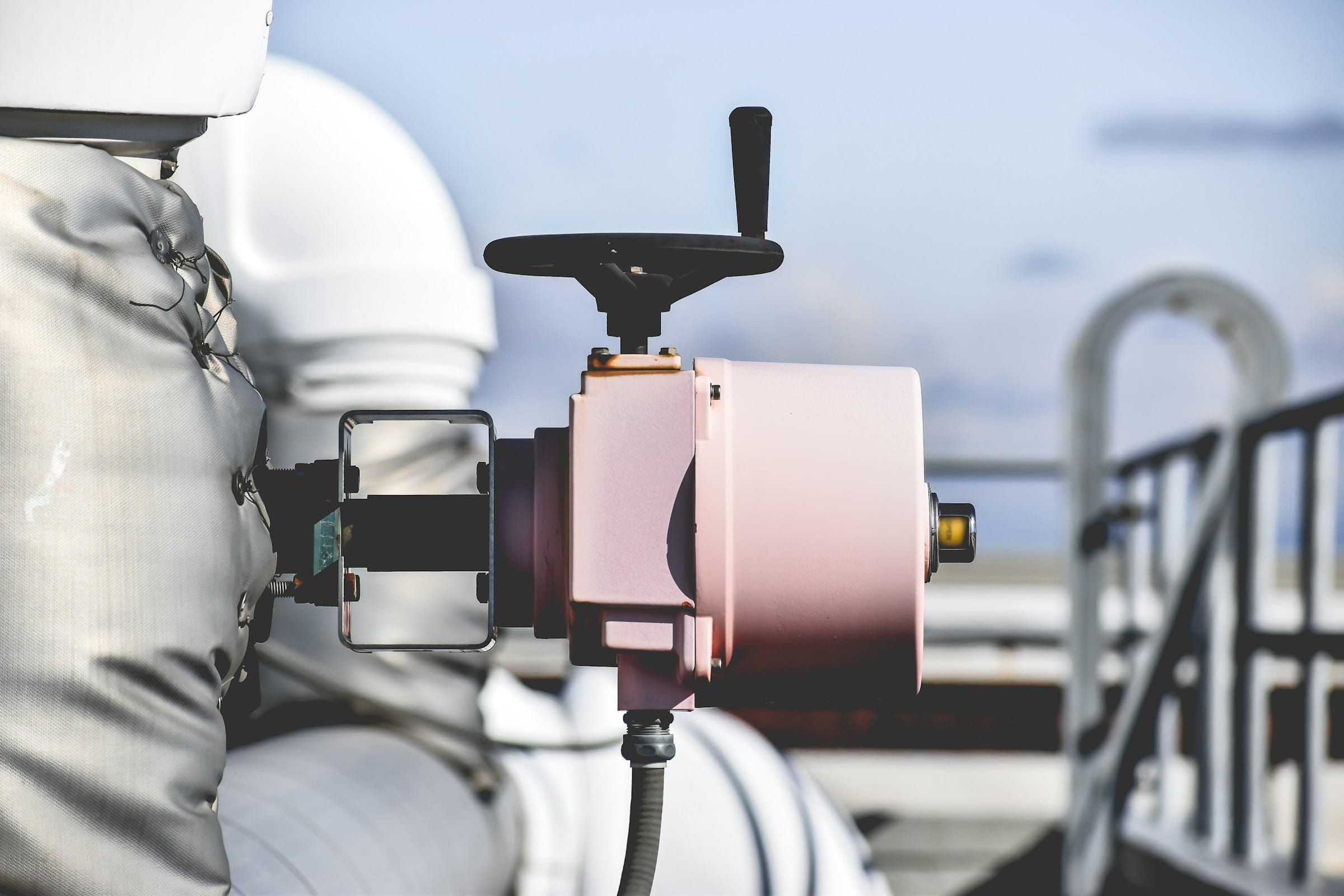
PMC also provides the following commercial mechanical services in West Sacramento. Each card opens the matching local service page.

PMC Building Automation & Controls Locations

West Sacramento is highlighted below. Choose any city for local building automation & controls information.

PMC Service Area We Service These Cities
Approx. drive time from Auburn

Swipe the route map sideways to follow each corridor

PMC Building Automation & Controls service locations including West Sacramento A map of PMC service locations along major Northern California freeways and highways. City marker colors represent approximate travel times from Auburn, with extended service reaching Truckee, Chico, Lodi, and South Lake Tahoe. SIERRA NEVADA SACRAMENTO VALLEY Sacramento River Lake Tahoe Chico: 105–120 min via CA-65 / CA-70 / CA-99 north Chico Oroville: 80–95 min via CA-65 / CA-70 north Oroville Marysville: 50–65 min via CA-65 / CA-70 north Marysville Yuba City: 50–65 min via CA-65 / CA-99 north Yuba City Woodland: 55–70 min via I-5 / CA-113 Woodland Lincoln: 25–35 min via CA-193 / CA-65 Lincoln Nevada City: 35–45 min via CA-49 north Nevada City Grass Valley: 30–40 min via CA-49 north Grass Valley Truckee: 75–95 min via I-80 / Donner Pass Truckee Colfax: 20–25 min via I-80 east Colfax Auburn: Auburn home base via PMC home base P PMC • AUBURN Loomis: 15–20 min via I-80 west Loomis Rocklin: 20–30 min via I-80 west Rocklin Roseville: 25–35 min via I-80 west Roseville Citrus Heights: 35–45 min via I-80 west Citrus Heights Sacramento: 40–55 min via I-80 west Sacramento West Sacramento: 45–60 min via I-80 west West Sacramento Davis: 55–70 min via I-80 west Davis Rancho Cordova: 45–60 min via I-80 / US-50 Rancho Cordova Granite Bay: 25–35 min via Auburn–Folsom Road Granite Bay Folsom: 35–45 min via Auburn–Folsom Road Folsom El Dorado Hills: 40–50 min via Auburn–Folsom Road / US-50 El Dorado Hills Cameron Park: 50–60 min via US-50 east Cameron Park Placerville: 45–60 min via CA-49 south Placerville Elk Grove: 60–75 min via I-80 / CA-99 south Elk Grove South Lake Tahoe: 120–150 min via CA-49 / US-50 — weather dependent. Contact PMC to confirm scheduling. South Lake Tahoe Lodi: 70–90 min via I-80 / CA-99 south. Lodi
City details West Sacramento, CA 45–60 min I-80 west
Nearby
15–35 min
Regional
30–65 min
Extended
55–95 min
Scheduled
90+ min