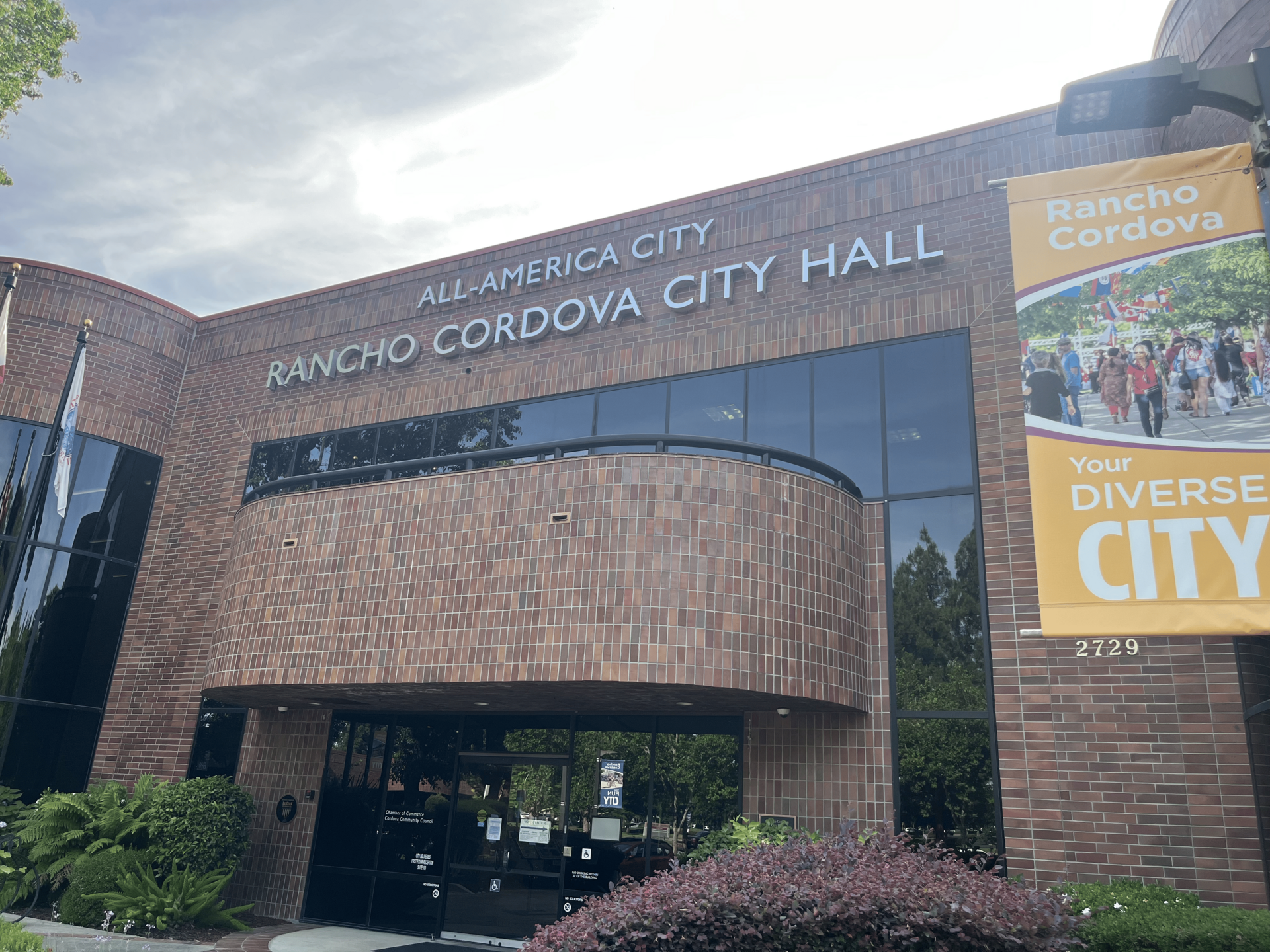
Rancho Cordova City Hall in Rancho Cordova, California

Commercial Building Controls in Rancho Cordova, CA

Building automation, HVAC control integration, upgrades, and troubleshooting for Rancho Cordova offices, technology campuses, and industrial facilities.

Rancho Cordova service overview

Building Automation & Controls planned around Rancho Cordova facilities

Building automation, HVAC control integration, upgrades, and troubleshooting for Rancho Cordova offices, technology campuses, and industrial facilities.

PMC plans the Building Automation & Controls scope in Rancho Cordova around the building's use, occupied hours, existing equipment, service access, and documented project requirements.

  • Large office campuses, financial services, technology, and professional facilities
  • Manufacturing, research, industrial, warehouse, and service-commercial properties
  • Healthcare, retail, restaurant, and institutional buildings
Rancho Cordova service guide

Commercial Building Controls in Rancho Cordova, CA

Building automation, HVAC control integration, upgrades, and troubleshooting for Rancho Cordova offices, technology campuses, and industrial facilities.

Building controls translate operating requirements into schedules, commands, setpoints, alarms, trends, and equipment responses. In Rancho Cordova, the same controls project may need to serve a multi-building office campus, a technology workplace with extended hours, or a manufacturing property that separates comfort areas from production-support zones. Peak Mechanical Construction develops control scope from approved sequences and actual equipment rather than treating a graphical interface as the system itself.

Organizing controls across a large employment site

With a regional workforce exceeding 65,000, Rancho Cordova contains many facilities where different departments or tenants follow different hours. Campus controls can help operators view equipment status and manage zones without visiting every mechanical room, but useful visibility depends on consistent point naming, sensor placement, alarm priorities, and access permissions. Before integration, PMC identifies the controllers, communication protocols, field devices, network boundaries, and third-party systems involved.

Existing buildings often contain multiple control generations. One wing may have networked controllers while another relies on standalone thermostats or packaged equipment interfaces. A measured upgrade can preserve functional components where appropriate and establish clear boundaries for new work. Proprietary access and vendor responsibilities are addressed before programming begins so the owner understands which party supports each portion of the completed system.

Technology and manufacturing sequences

The city targets technology, artificial intelligence, robotics, advanced manufacturing, research, and clean-technology businesses. Mechanical controls in facilities serving those fields may coordinate comfort systems with exhaust, make-up air, equipment cooling, differential schedules, or owner-furnished process signals. PMC works from the engineering sequence, equipment submittals, and defined responsibilities. It does not invent control logic for an unknown process based on the business category.

Functional coordination includes checking relevant sensor inputs, commands, safeties, alarms, equipment communication, and response under the approved sequence. Electrical power, network service, fire-alarm or life-safety interfaces, and manufacturer controls can fall to other specialists. Mapping those handoffs before startup reduces uncertainty when several systems must operate together.

Trend data can reveal when zones drift, schedules override, sensors disagree, or equipment fails to follow a command. It is evidence, not a complete diagnosis. PMC compares available data with field conditions, actuator or sensor behavior, airflow and equipment operation, and recent building changes. This helps separate a programming fault from a failed device, communication interruption, mechanical defect, or space-use issue.

For an occupied office, control adjustments and cutovers require planning. Changes can be staged by air handler, zone, floor, or building, with affected occupants and rollback considerations identified in advance. After implementation, the applicable scope may include point-to-point checks, sequence verification, operator orientation, and organized documentation.

Defining a useful controls request

Rancho Cordova promotes fiber and internet-service availability as part of its business infrastructure, but a building automation network remains a project-specific system with its own security, addressing, and access rules. Site IT and facility representatives should participate where controls connect to owner networks.

To begin, provide the property address, control platform and version if known, affected equipment, alarm or symptom history, recent modifications, desired operator functions, and any network or vendor restrictions. PMC can then identify the field review and coordination needed for a responsible controls scope.

Client verticals

Building Automation & Controls for Rancho Cordova Facilities
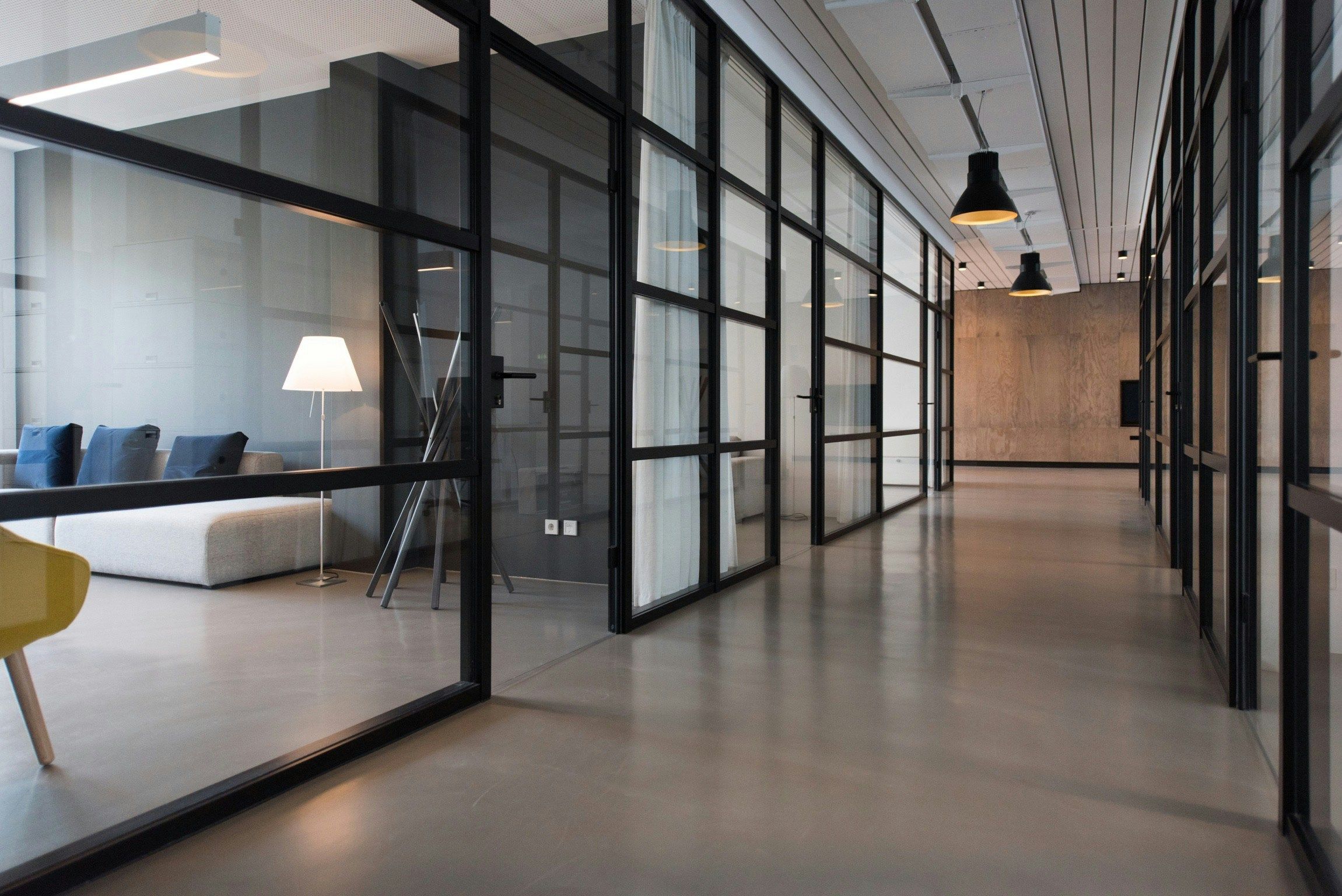
PMC plans building automation & controls work around the operating requirements of Rancho Cordova's commercial, industrial, institutional, and public facilities.

Hover or focus to preview. Select a facility type to open its full Rancho Cordova industry brief.

More PMC Services in Rancho Cordova
PMC also provides the following commercial mechanical services in Rancho Cordova. Each card opens the matching local service page.

PMC Building Automation & Controls Locations

Rancho Cordova is highlighted below. Choose any city for local building automation & controls information.

PMC Service Area We Service These Cities
Approx. drive time from Auburn

Swipe the route map sideways to follow each corridor

PMC Building Automation & Controls service locations including Rancho Cordova A map of PMC service locations along major Northern California freeways and highways. City marker colors represent approximate travel times from Auburn, with extended service reaching Truckee, Chico, Lodi, and South Lake Tahoe. SIERRA NEVADA SACRAMENTO VALLEY Sacramento River Lake Tahoe Chico: 105–120 min via CA-65 / CA-70 / CA-99 north Chico Oroville: 80–95 min via CA-65 / CA-70 north Oroville Marysville: 50–65 min via CA-65 / CA-70 north Marysville Yuba City: 50–65 min via CA-65 / CA-99 north Yuba City Woodland: 55–70 min via I-5 / CA-113 Woodland Lincoln: 25–35 min via CA-193 / CA-65 Lincoln Nevada City: 35–45 min via CA-49 north Nevada City Grass Valley: 30–40 min via CA-49 north Grass Valley Truckee: 75–95 min via I-80 / Donner Pass Truckee Colfax: 20–25 min via I-80 east Colfax Auburn: Auburn home base via PMC home base P PMC • AUBURN Loomis: 15–20 min via I-80 west Loomis Rocklin: 20–30 min via I-80 west Rocklin Roseville: 25–35 min via I-80 west Roseville Citrus Heights: 35–45 min via I-80 west Citrus Heights Sacramento: 40–55 min via I-80 west Sacramento West Sacramento: 45–60 min via I-80 west West Sacramento Davis: 55–70 min via I-80 west Davis Rancho Cordova: 45–60 min via I-80 / US-50 Rancho Cordova Granite Bay: 25–35 min via Auburn–Folsom Road Granite Bay Folsom: 35–45 min via Auburn–Folsom Road Folsom El Dorado Hills: 40–50 min via Auburn–Folsom Road / US-50 El Dorado Hills Cameron Park: 50–60 min via US-50 east Cameron Park Placerville: 45–60 min via CA-49 south Placerville Elk Grove: 60–75 min via I-80 / CA-99 south Elk Grove South Lake Tahoe: 120–150 min via CA-49 / US-50 — weather dependent. Contact PMC to confirm scheduling. South Lake Tahoe Lodi: 70–90 min via I-80 / CA-99 south. Lodi
City details Rancho Cordova, CA 45–60 min I-80 / US-50
Nearby
15–35 min
Regional
30–65 min
Extended
55–95 min
Scheduled
90+ min