Welcome to Granite Bay sign in Granite Bay, California

Building Automation & Controls in Granite Bay, CA

Building automation, HVAC controls, monitoring, scheduling, and integration for Granite Bay commercial facilities.

Granite Bay service overview

Building Automation & Controls planned around Granite Bay facilities

Building automation, HVAC controls, monitoring, scheduling, and integration for Granite Bay commercial facilities.

PMC plans the Building Automation & Controls scope in Granite Bay around the building's use, occupied hours, existing equipment, service access, and documented project requirements.

  • Douglas Boulevard retail centers, restaurants, offices, and service businesses
  • Institutional, fitness, recreation, and community facilities
  • Commercial properties serving the Granite Bay and Folsom Lake market
Granite Bay service guide

Building Automation & Controls in Granite Bay, CA

Building automation, HVAC controls, monitoring, scheduling, and integration for Granite Bay commercial facilities.

Granite Bay offices, retail and dining properties, fitness facilities, recreation spaces, and institutional buildings can have very different operating schedules under similar exterior building forms. Peak Mechanical Construction develops building automation and HVAC-controls work around the equipment, zones, occupancy, and operator needs at the specific site. The objective is a useful operating system, not a dashboard detached from the mechanical equipment it represents.

Douglas Boulevard retail and office controls

Quarry Ponds and the Douglas Boulevard corridor form part of Granite Bay’s commercial setting. Multi-tenant and customer-facing properties may combine public spaces, offices, stock or support rooms, kitchens, and rooftop equipment. PMC begins by documenting accessible controllers, panels, sensors, thermostats, communication wiring, equipment interfaces, existing schedules, and front-end functions.

This inventory helps distinguish reusable components from equipment that is incompatible, unsupported, or unavailable due to proprietary access. Gateways, licensing, network needs, and third-party vendor roles are identified before procurement. A controls upgrade is scoped from confirmed functions rather than a general promise to connect every device.

Scheduling fitness, recreation, and institutional spaces

Fitness and recreation properties can shift between low occupancy and scheduled periods of concentrated use. Institutional and community-serving buildings may contain offices, meeting rooms, assembly areas, and support zones that follow different calendars. Controls can align schedules, setpoints, ventilation enables, alarms, and equipment status with those patterns when the mechanical design and installed hardware support them.

PMC coordinates field devices, panels, wiring, programming, graphics, startup, and testing responsibilities. For phased work, temporary sequences and cutover steps are planned so active zones are not unintentionally interrupted while new controllers or equipment are introduced.

Troubleshooting comfort and alarm issues

A temperature complaint can originate in a sensor, actuator, schedule, sequence, mechanical component, air distribution, or user setting. PMC reviews alarm history and trends where available, interviews the facility contact about timing and affected zones, and checks accessible controls and equipment. Programming is not changed solely to hide a mechanical problem.

Alarm thresholds, delays, notification paths, and response expectations are configured around the approved scope and operator needs. Excessive routine alarms can make a controls system less useful, while missing escalation can leave important conditions unnoticed. Turnover explains the available interface and records material changes.

Trend intervals also deserve deliberate selection. Very frequent data can create noise and storage demands, while sparse sampling may miss the condition being investigated. PMC configures available trends around identified operational questions and the platform’s capabilities. Facility staff can then use the records to compare schedules and zone behavior while recognizing that trend data alone may not identify a failed mechanical component.

Tenant improvements and equipment replacement

A new tenant layout can change zone boundaries, occupancy, schedules, and equipment loads. Replacement HVAC units can also require new points, safeties, actuators, or communication interfaces. PMC reviews the points list and approved sequence against the new work, then clarifies responsibilities between factory controls, field controls, electrical work, and equipment vendors.

Placer County project context

Because Granite Bay is unincorporated, project review is administered through Placer County. PMC coordinates its controls and mechanical responsibilities with approved documents, County inspections where applicable, and the broader project team. A useful inquiry includes the Granite Bay address, equipment list, current platform, desired functions, schedules, recurring issues, and available access credentials.

Client verticals

Building Automation & Controls for Granite Bay Facilities
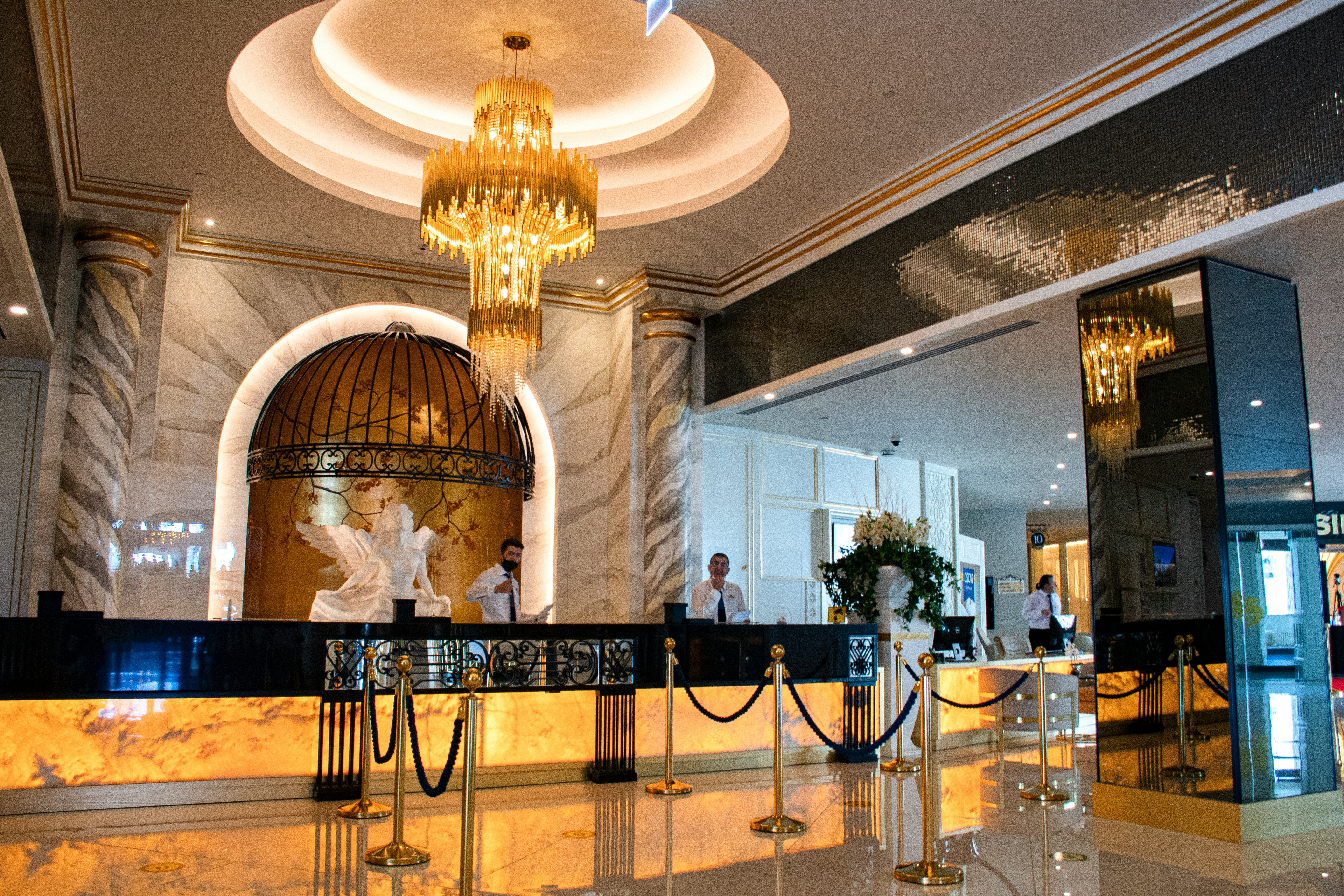
PMC plans building automation & controls work around the operating requirements of Granite Bay's commercial, industrial, institutional, and public facilities.

Hover or focus to preview. Select a facility type to open its full Granite Bay industry brief.

More PMC Services in Granite Bay
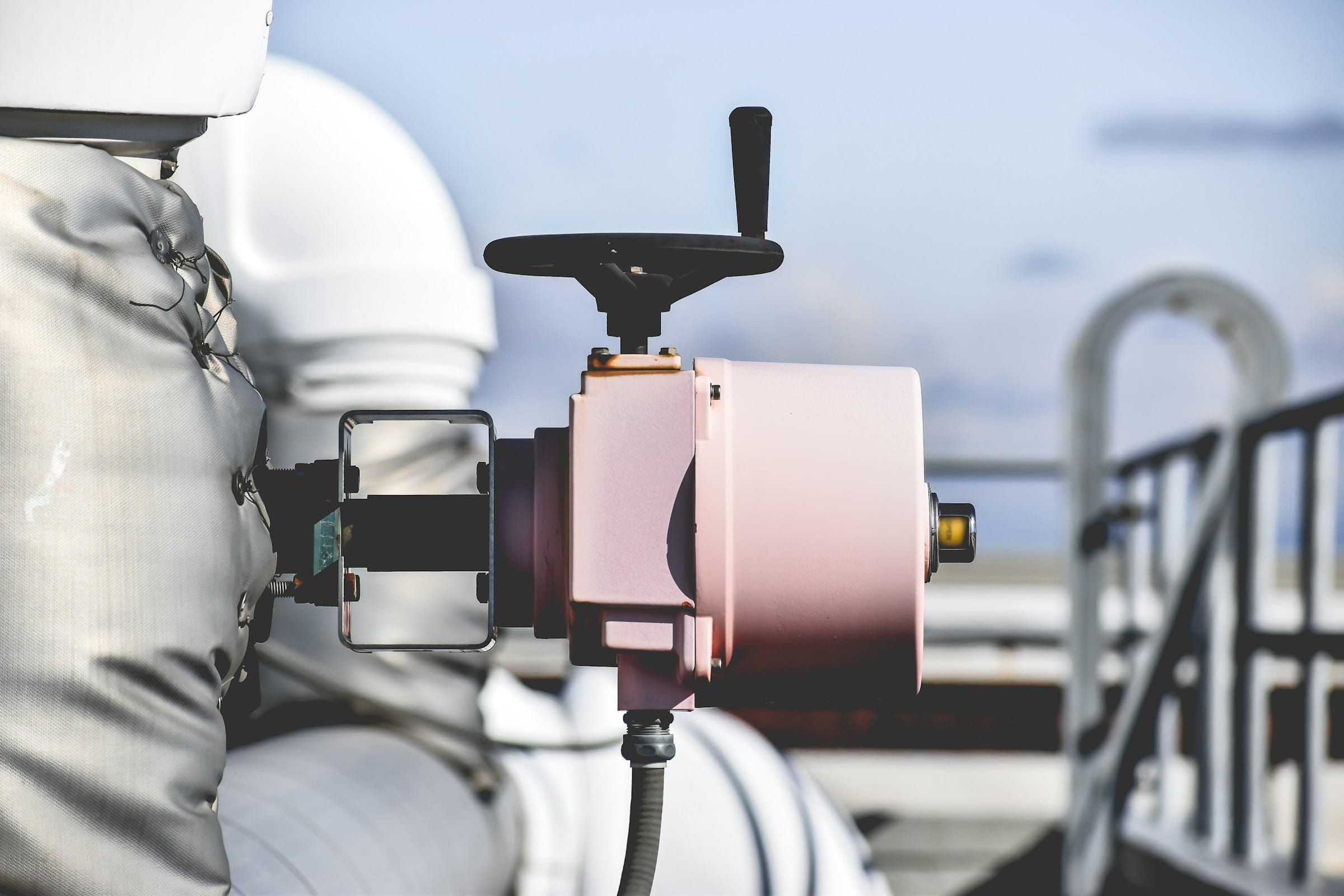
PMC also provides the following commercial mechanical services in Granite Bay. Each card opens the matching local service page.

PMC Building Automation & Controls Locations

Granite Bay is highlighted below. Choose any city for local building automation & controls information.

PMC Service Area We Service These Cities
Approx. drive time from Auburn

Swipe the route map sideways to follow each corridor

PMC Building Automation & Controls service locations including Granite Bay A map of PMC service locations along major Northern California freeways and highways. City marker colors represent approximate travel times from Auburn, with extended service reaching Truckee, Chico, Lodi, and South Lake Tahoe. SIERRA NEVADA SACRAMENTO VALLEY Sacramento River Lake Tahoe Chico: 105–120 min via CA-65 / CA-70 / CA-99 north Chico Oroville: 80–95 min via CA-65 / CA-70 north Oroville Marysville: 50–65 min via CA-65 / CA-70 north Marysville Yuba City: 50–65 min via CA-65 / CA-99 north Yuba City Woodland: 55–70 min via I-5 / CA-113 Woodland Lincoln: 25–35 min via CA-193 / CA-65 Lincoln Nevada City: 35–45 min via CA-49 north Nevada City Grass Valley: 30–40 min via CA-49 north Grass Valley Truckee: 75–95 min via I-80 / Donner Pass Truckee Colfax: 20–25 min via I-80 east Colfax Auburn: Auburn home base via PMC home base P PMC • AUBURN Loomis: 15–20 min via I-80 west Loomis Rocklin: 20–30 min via I-80 west Rocklin Roseville: 25–35 min via I-80 west Roseville Citrus Heights: 35–45 min via I-80 west Citrus Heights Sacramento: 40–55 min via I-80 west Sacramento West Sacramento: 45–60 min via I-80 west West Sacramento Davis: 55–70 min via I-80 west Davis Rancho Cordova: 45–60 min via I-80 / US-50 Rancho Cordova Granite Bay: 25–35 min via Auburn–Folsom Road Granite Bay Folsom: 35–45 min via Auburn–Folsom Road Folsom El Dorado Hills: 40–50 min via Auburn–Folsom Road / US-50 El Dorado Hills Cameron Park: 50–60 min via US-50 east Cameron Park Placerville: 45–60 min via CA-49 south Placerville Elk Grove: 60–75 min via I-80 / CA-99 south Elk Grove South Lake Tahoe: 120–150 min via CA-49 / US-50 — weather dependent. Contact PMC to confirm scheduling. South Lake Tahoe Lodi: 70–90 min via I-80 / CA-99 south. Lodi
City details Granite Bay, CA 25–35 min Auburn–Folsom Road
Nearby
15–35 min
Regional
30–65 min
Extended
55–95 min
Scheduled
90+ min