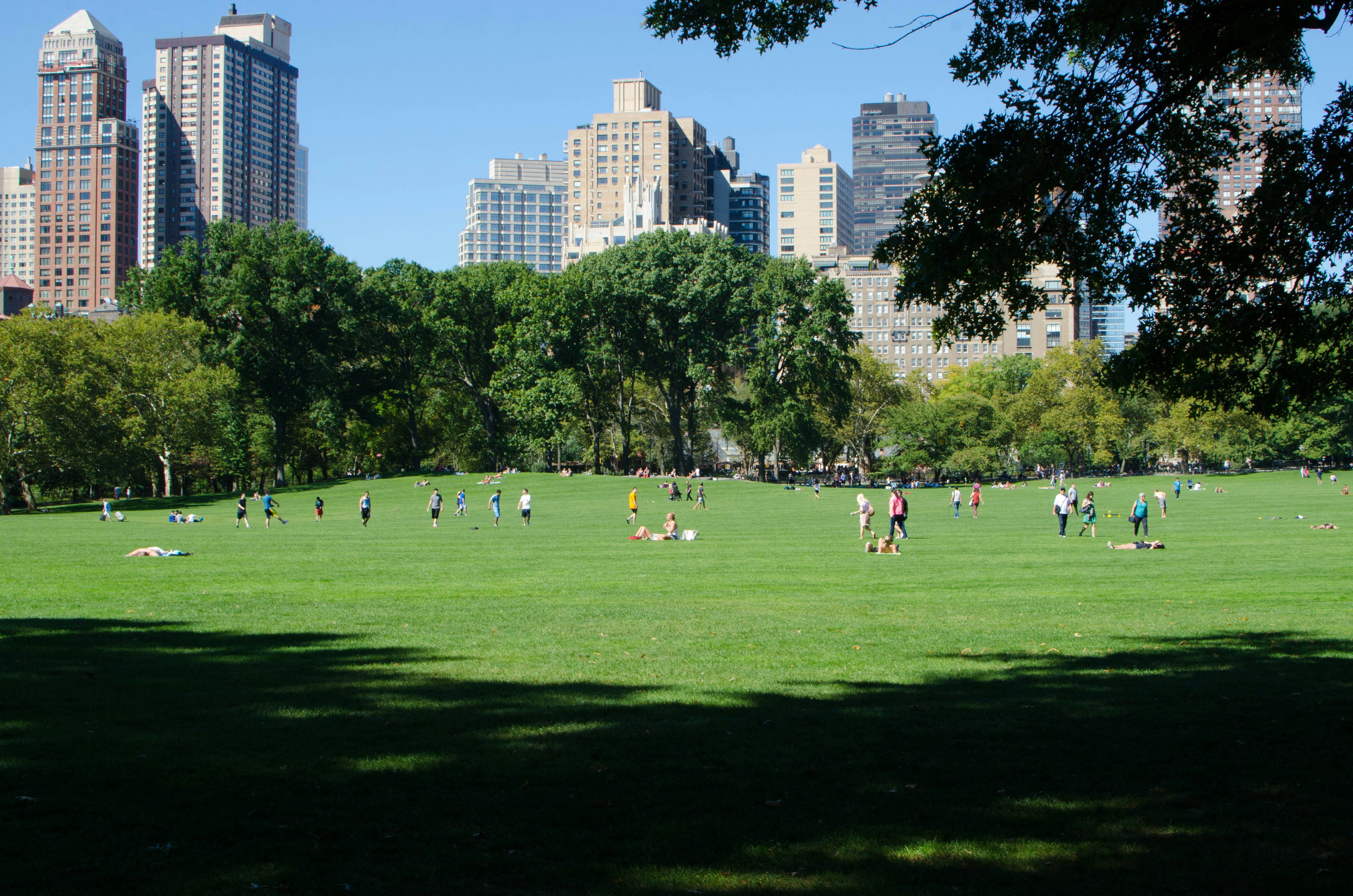
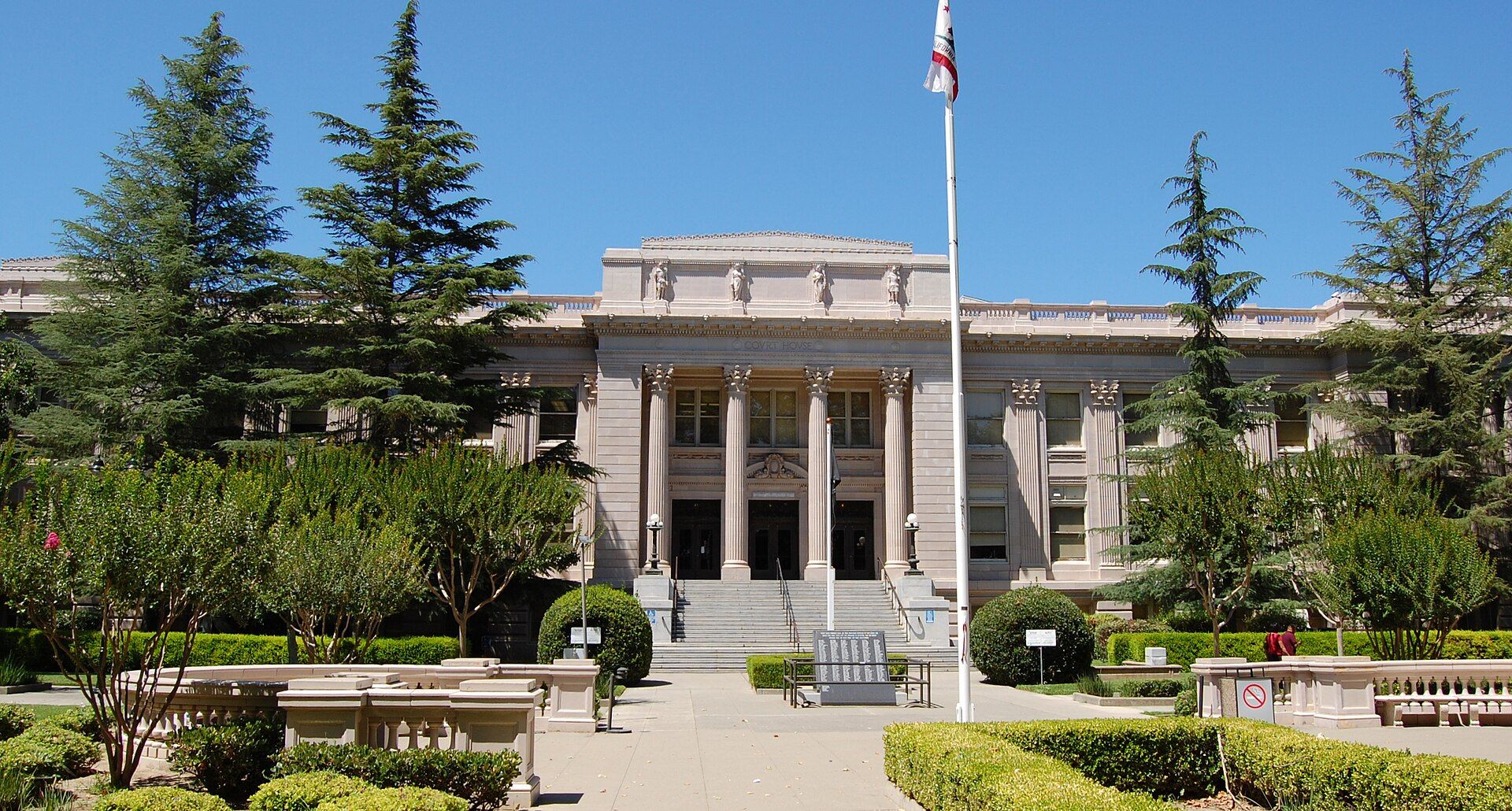
Historic Yolo County Courthouse in Woodland, California

Commercial Building Controls in Woodland, CA

Building automation, HVAC controls, integration, and troubleshooting for Woodland food, research, industrial, office, and institutional facilities.

Woodland service overview

Building Automation & Controls planned around Woodland facilities

Building automation, HVAC controls, integration, and troubleshooting for Woodland food, research, industrial, office, and institutional facilities.

PMC plans the Building Automation & Controls scope in Woodland around the building's use, occupied hours, existing equipment, service access, and documented project requirements.

  • Food processing, agriculture technology, cold storage, and distribution facilities
  • Manufacturing, research, warehouse, logistics, and industrial properties
  • Downtown, healthcare, government, retail, and institutional buildings
Woodland service guide

Commercial Building Controls in Woodland, CA

Building automation, HVAC controls, integration, and troubleshooting for Woodland food, research, industrial, office, and institutional facilities.

Woodland facilities can contain offices, kitchens, wet labs, cold rooms, warehouses, production-support areas, and public spaces with different schedules and environmental requirements. Building controls can implement defined setpoints, commands, alarms, trends, and equipment sequences across those zones. Peak Mechanical Construction coordinates controls with the actual field systems and approved operating criteria.

Controls across varied food and research rooms

The Food Front initiative connects more than 190 local food and agriculture businesses, while AgStart includes wet-lab, commercial-kitchen, office, meeting, and coworking space. These local examples show why control requirements must be organized by room. Kitchen or handling areas may interact with exhaust, make-up air, refrigeration, and temperature monitoring; offices and meeting rooms generally follow occupancy schedules; research equipment may have owner-defined interfaces.

PMC uses the approved sequence and point list to identify sensors, commands, interlocks, alarms, and vendor responsibilities. Product monitoring, process validation, calibration, and owner response procedures remain with the designated parties unless explicitly included. The control system should communicate requirements, not invent them.

Existing-system assessment and integration

Established Woodland buildings may contain standalone thermostats, packaged-equipment boards, older network controllers, and proprietary platforms. PMC inventories accessible controllers, communication protocols, field devices, network segments, licensing or vendor access, and equipment interfaces before defining an upgrade. This permits a targeted approach that preserves functional components where the project supports it.

The approximately 350-acre Research and Technology Park plan area creates a future context for phased buildings and tenant systems. Early decisions about protocols, naming, network architecture, alarm routing, access rights, data retention, and expansion points can make later integration clearer. Those decisions are coordinated with owner IT and design requirements.

Troubleshooting with data and field response

Trends can show when a command, temperature, or equipment status changed. Facility staff can add context about production, loading, occupancy, cleaning, or recent renovations. PMC compares this information with sensor accuracy, actuator response, communication, airflow, and equipment operation before assigning a root cause. A programming change is not offered as a universal answer to a mechanical complaint.

Control cutovers in operating food, research, or industrial facilities need a defined window and authorization. The plan identifies affected equipment, settings or data to preserve, preliminary checks, external interfaces, functional testing, and rollback or restoration responsibility. Applicable operator training and closeout documents address the functions delivered.

Preparing the service request

Provide the Woodland address, control platform and version if known, affected equipment and rooms, alarm or trend samples, desired outcomes, owner-network rules, current support vendors, and recent changes. Identify the operator who knows normal schedules and can approve temporary overrides. This information helps PMC plan a focused field assessment rather than beginning with an undefined request to “fix the controls.”

Current floor plans and equipment lists can reveal whether displayed zone names still match the physical building. In renovated food or research properties, a point may retain a label from an earlier room use even though the controller now serves different occupants or equipment. Reconciling the graphics, point list, and field connections is a practical step before sequence revisions.

If alarms are part of the request, the facility should identify which conditions require an immediate response, which are advisory, who receives notifications, and what action is expected. Clear priorities make the completed interface more useful and reduce the chance that repeated low-value notifications obscure an important equipment condition.

Client verticals

Building Automation & Controls for Woodland Facilities

PMC plans building automation & controls work around the operating requirements of Woodland's commercial, industrial, institutional, and public facilities.

Hover or focus to preview. Select a facility type to open its full Woodland industry brief.

More PMC Services in Woodland

PMC also provides the following commercial mechanical services in Woodland. Each card opens the matching local service page.

PMC Building Automation & Controls Locations

Woodland is highlighted below. Choose any city for local building automation & controls information.

PMC Service Area We Service These Cities
Approx. drive time from Auburn

Swipe the route map sideways to follow each corridor

PMC Building Automation & Controls service locations including Woodland A map of PMC service locations along major Northern California freeways and highways. City marker colors represent approximate travel times from Auburn, with extended service reaching Truckee, Chico, Lodi, and South Lake Tahoe. SIERRA NEVADA SACRAMENTO VALLEY Sacramento River Lake Tahoe Chico: 105–120 min via CA-65 / CA-70 / CA-99 north Chico Oroville: 80–95 min via CA-65 / CA-70 north Oroville Marysville: 50–65 min via CA-65 / CA-70 north Marysville Yuba City: 50–65 min via CA-65 / CA-99 north Yuba City Woodland: 55–70 min via I-5 / CA-113 Woodland Lincoln: 25–35 min via CA-193 / CA-65 Lincoln Nevada City: 35–45 min via CA-49 north Nevada City Grass Valley: 30–40 min via CA-49 north Grass Valley Truckee: 75–95 min via I-80 / Donner Pass Truckee Colfax: 20–25 min via I-80 east Colfax Auburn: Auburn home base via PMC home base P PMC • AUBURN Loomis: 15–20 min via I-80 west Loomis Rocklin: 20–30 min via I-80 west Rocklin Roseville: 25–35 min via I-80 west Roseville Citrus Heights: 35–45 min via I-80 west Citrus Heights Sacramento: 40–55 min via I-80 west Sacramento West Sacramento: 45–60 min via I-80 west West Sacramento Davis: 55–70 min via I-80 west Davis Rancho Cordova: 45–60 min via I-80 / US-50 Rancho Cordova Granite Bay: 25–35 min via Auburn–Folsom Road Granite Bay Folsom: 35–45 min via Auburn–Folsom Road Folsom El Dorado Hills: 40–50 min via Auburn–Folsom Road / US-50 El Dorado Hills Cameron Park: 50–60 min via US-50 east Cameron Park Placerville: 45–60 min via CA-49 south Placerville Elk Grove: 60–75 min via I-80 / CA-99 south Elk Grove South Lake Tahoe: 120–150 min via CA-49 / US-50 — weather dependent. Contact PMC to confirm scheduling. South Lake Tahoe Lodi: 70–90 min via I-80 / CA-99 south. Lodi
City details Woodland, CA 55–70 min I-5 / CA-113
Nearby
15–35 min
Regional
30–65 min
Extended
55–95 min
Scheduled
90+ min