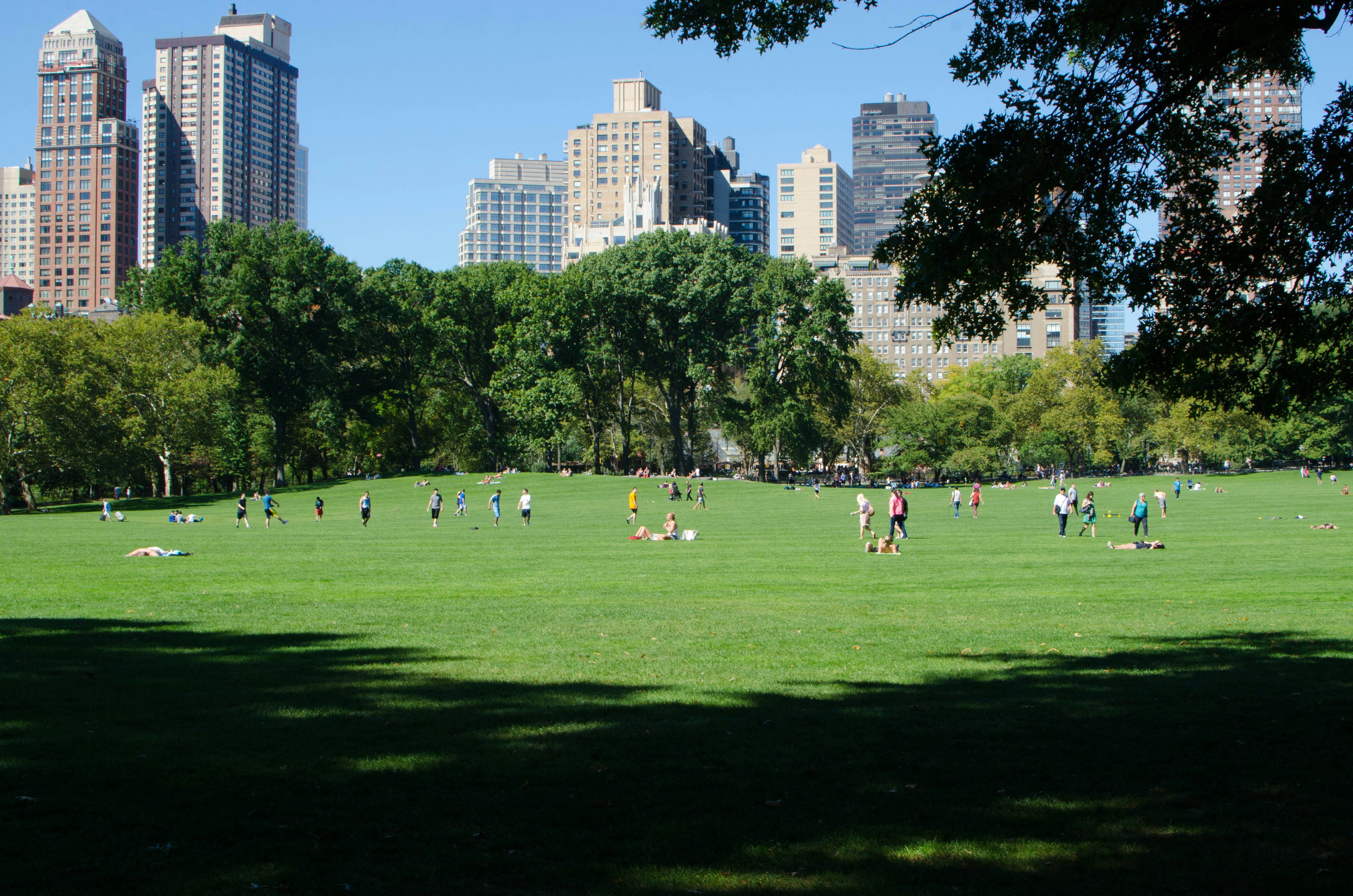
El Dorado Hills Town Center commercial district in El Dorado Hills, California

Building Automation & Controls in El Dorado Hills, CA

Commercial building automation, HVAC controls, scheduling, monitoring, alarms, and integration for El Dorado Hills offices, research spaces, retail properties, and industrial facilities.

El Dorado Hills service overview

Building Automation & Controls planned around El Dorado Hills facilities

Commercial building automation, HVAC controls, scheduling, monitoring, alarms, and integration for El Dorado Hills offices, research spaces, retail properties, and industrial facilities.

PMC plans the Building Automation & Controls scope in El Dorado Hills around the building's use, occupied hours, existing equipment, service access, and documented project requirements.

  • Town Center retail, restaurant, office, hospitality, and entertainment properties
  • El Dorado Hills Business Park research, office, light-industrial, and flex facilities
  • Highway 50 corridor commercial and institutional development
El Dorado Hills service guide

Building Automation & Controls in El Dorado Hills, CA

Commercial building automation, HVAC controls, scheduling, monitoring, alarms, and integration for El Dorado Hills offices, research spaces, retail properties, and industrial facilities.

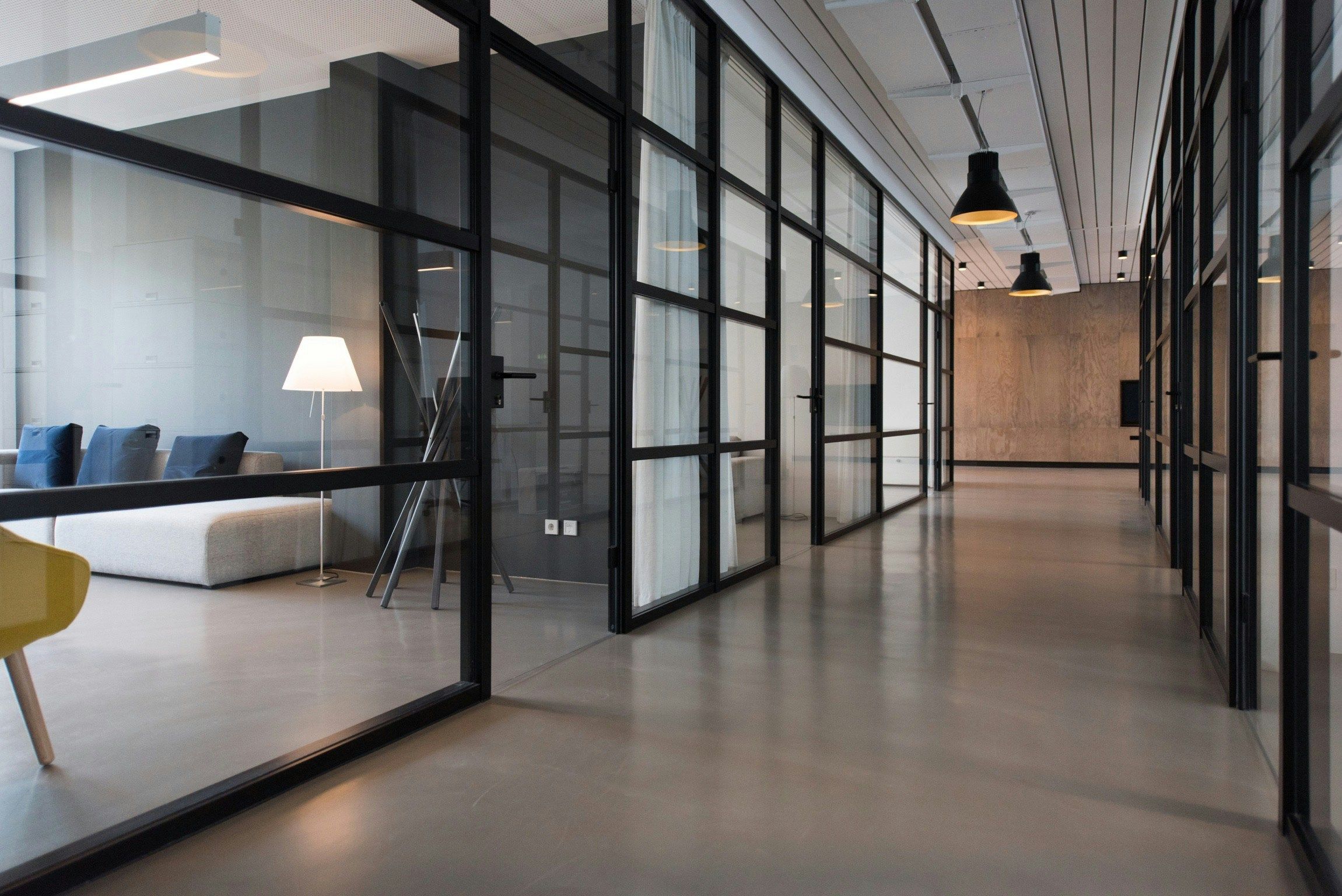
Building controls are most useful when they reflect how a facility actually operates. In El Dorado Hills, that may mean coordinating office schedules in Town Center, separating office and work zones inside a business-park property, or integrating new HVAC equipment into an existing automation platform. Peak Mechanical Construction provides commercial controls work around the specified sequence, installed equipment, available communications, and the needs of the facility team.

Controls for mixed office and research environments

El Dorado Hills Business Park includes more than 200 companies across research, technology, corporate, industrial-office, and non-polluting manufacturing uses. A single property can contain areas with different occupancy patterns and temperature requirements. Offices may follow regular schedules, while test spaces, equipment rooms, or production-support areas may operate longer hours or create changing heat loads.

PMC coordinates sensors, controllers, field devices, equipment interfaces, schedules, setpoints, alarms, trends, and operator graphics when those elements are included in the project. A useful points list and sequence should describe what the system is expected to monitor or control. Final engineering and performance criteria remain with the responsible design professionals.

Before integrating existing equipment, the team reviews available record information, platform access, communication protocols, controller condition, network requirements, and third-party responsibilities. Proprietary licensing or factory authorization can affect what is practical, so those dependencies should be identified before programming begins.

Town Center scheduling and tenant improvements

Town Center’s retail, restaurant, office, and hospitality properties may have schedules that change by day, tenant, or season. Controls can support specified occupied and unoccupied setpoints, zone schedules, alarms, and equipment status where the installed systems are compatible. The goal is not to add complexity for its own sake. Operators need a clear interface and a sequence they can understand.

Tenant improvements can alter thermostat locations, zone boundaries, ventilation requirements, or equipment loads. PMC coordinates control changes with the HVAC work and approved floor plan so sensors and schedules match the completed space rather than an obsolete layout. When multiple tenants share central equipment, responsibilities and access should be resolved with the owner or property manager.

New construction and County review

El Dorado Hills projects operate within El Dorado County’s planning and building framework, including specific plans for the community and Town Center. Controls panels, conduits, sensors, network components, and equipment interfaces must be coordinated with the rest of the project just like ductwork or piping. Submittals, control diagrams, point lists, sequence review, startup, and functional testing responsibilities should be defined before turnover.

For a new building or expansion, PMC can bring construction input to panel locations, cable routes, equipment compatibility, service access, and commissioning coordination. For an existing building, a phased controls update may be more practical than replacing functional devices without a documented reason.

Starting an El Dorado Hills controls project

Useful starting information includes the site address, facility use, existing control platform, equipment list, available drawings, observed operating issues, required alarms or trends, and staff who will use the system. PMC can then help determine whether the next step is field investigation, a control repair, equipment integration, sequence revision, or a broader building-automation project tailored to the El Dorado Hills facility.

Client verticals

Building Automation & Controls for El Dorado Hills Facilities
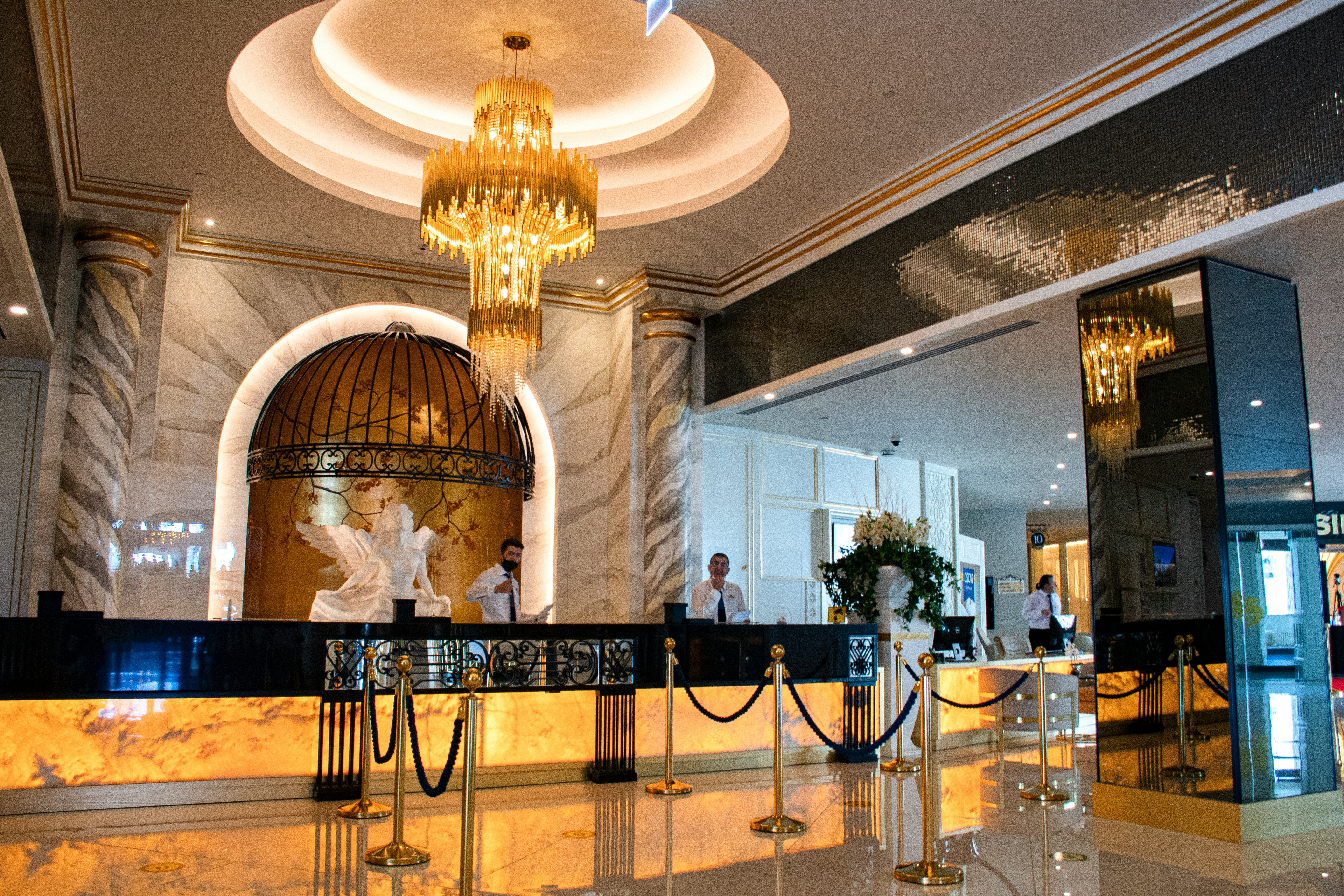
PMC plans building automation & controls work around the operating requirements of El Dorado Hills's commercial, industrial, institutional, and public facilities.

Hover or focus to preview. Select a facility type to open its full El Dorado Hills industry brief.

More PMC Services in El Dorado Hills
PMC also provides the following commercial mechanical services in El Dorado Hills. Each card opens the matching local service page.

PMC Building Automation & Controls Locations

El Dorado Hills is highlighted below. Choose any city for local building automation & controls information.

PMC Service Area We Service These Cities
Approx. drive time from Auburn

Swipe the route map sideways to follow each corridor

PMC Building Automation & Controls service locations including El Dorado Hills A map of PMC service locations along major Northern California freeways and highways. City marker colors represent approximate travel times from Auburn, with extended service reaching Truckee, Chico, Lodi, and South Lake Tahoe. SIERRA NEVADA SACRAMENTO VALLEY Sacramento River Lake Tahoe Chico: 105–120 min via CA-65 / CA-70 / CA-99 north Chico Oroville: 80–95 min via CA-65 / CA-70 north Oroville Marysville: 50–65 min via CA-65 / CA-70 north Marysville Yuba City: 50–65 min via CA-65 / CA-99 north Yuba City Woodland: 55–70 min via I-5 / CA-113 Woodland Lincoln: 25–35 min via CA-193 / CA-65 Lincoln Nevada City: 35–45 min via CA-49 north Nevada City Grass Valley: 30–40 min via CA-49 north Grass Valley Truckee: 75–95 min via I-80 / Donner Pass Truckee Colfax: 20–25 min via I-80 east Colfax Auburn: Auburn home base via PMC home base P PMC • AUBURN Loomis: 15–20 min via I-80 west Loomis Rocklin: 20–30 min via I-80 west Rocklin Roseville: 25–35 min via I-80 west Roseville Citrus Heights: 35–45 min via I-80 west Citrus Heights Sacramento: 40–55 min via I-80 west Sacramento West Sacramento: 45–60 min via I-80 west West Sacramento Davis: 55–70 min via I-80 west Davis Rancho Cordova: 45–60 min via I-80 / US-50 Rancho Cordova Granite Bay: 25–35 min via Auburn–Folsom Road Granite Bay Folsom: 35–45 min via Auburn–Folsom Road Folsom El Dorado Hills: 40–50 min via Auburn–Folsom Road / US-50 El Dorado Hills Cameron Park: 50–60 min via US-50 east Cameron Park Placerville: 45–60 min via CA-49 south Placerville Elk Grove: 60–75 min via I-80 / CA-99 south Elk Grove South Lake Tahoe: 120–150 min via CA-49 / US-50 — weather dependent. Contact PMC to confirm scheduling. South Lake Tahoe Lodi: 70–90 min via I-80 / CA-99 south. Lodi
City details El Dorado Hills, CA 40–50 min Auburn–Folsom Road / US-50
Nearby
15–35 min
Regional
30–65 min
Extended
55–95 min
Scheduled
90+ min