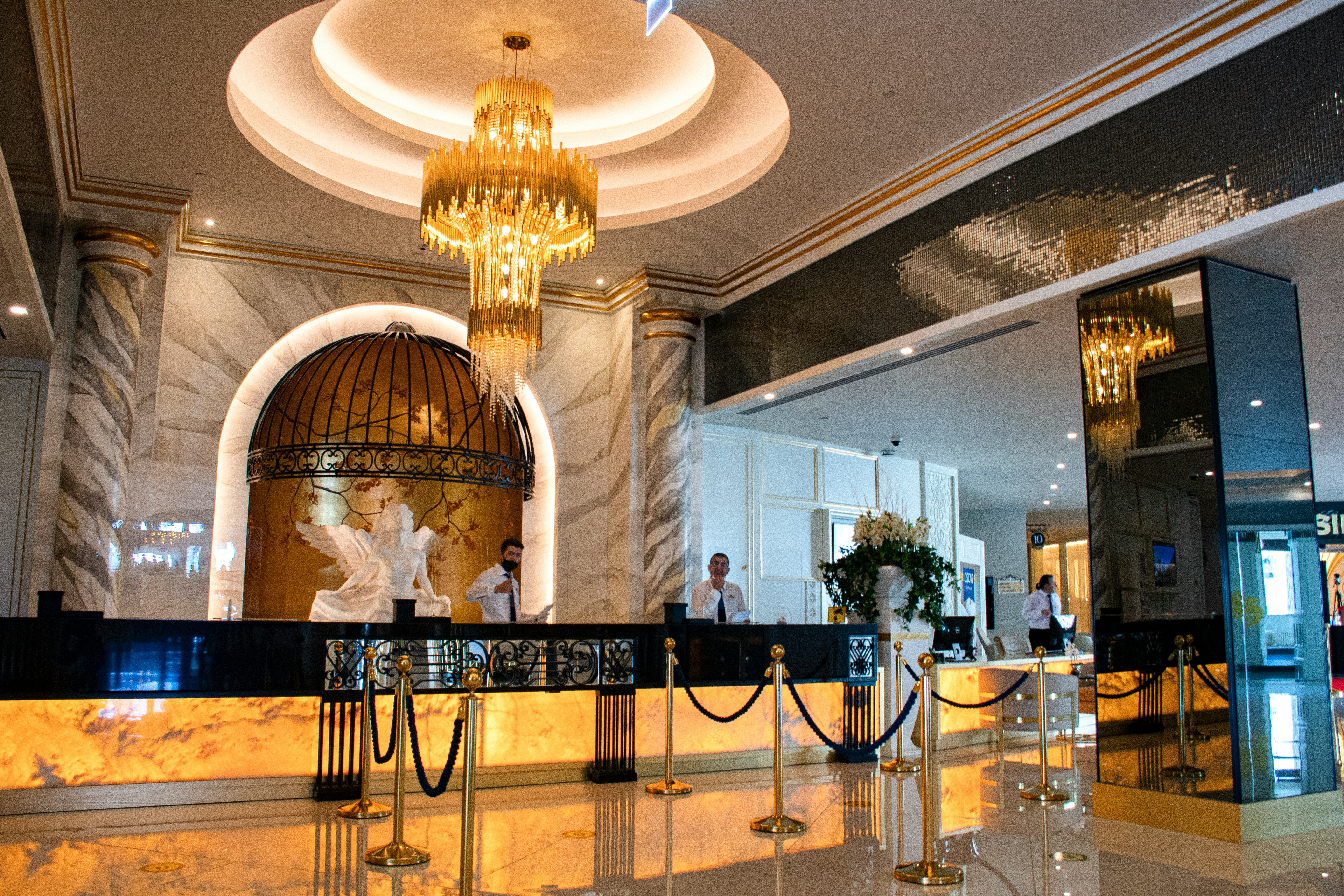
Historic Oroville Inn building in Oroville, California

Building Automation & Controls in Oroville, CA

Commercial HVAC controls, scheduling, alarms, monitoring, and equipment integration for Oroville industrial, airport-area, downtown, hospitality, office, and public facilities.

Oroville service overview

Building Automation & Controls planned around Oroville facilities

Commercial HVAC controls, scheduling, alarms, monitoring, and equipment integration for Oroville industrial, airport-area, downtown, hospitality, office, and public facilities.

PMC plans the Building Automation & Controls scope in Oroville around the building's use, occupied hours, existing equipment, service access, and documented project requirements.

  • Industrial-park manufacturing, wholesale, warehouse, and business-to-business facilities
  • Airport-area light-industrial, office, aviation-support, and flex properties
  • Historic downtown retail, restaurants, hospitality, entertainment, and civic buildings
Oroville service guide

Building Automation & Controls in Oroville, CA

Commercial HVAC controls, scheduling, alarms, monitoring, and equipment integration for Oroville industrial, airport-area, downtown, hospitality, office, and public facilities.

Building controls should reflect the way an Oroville facility operates. Manufacturing and wholesale properties, airport-area offices or flex buildings, downtown businesses, hospitality sites, and public facilities can have different zone schedules, equipment interfaces, and alarm needs. Peak Mechanical Construction coordinates controls around the approved sequence, installed equipment, compatible devices, platform access, and operator responsibilities.

Industrial controls and equipment interfaces

The Oroville industrial park supports manufacturing, wholesale, and business-to-business uses. A mixed industrial property may combine offices, warehouse or work areas, loading, and equipment-support rooms. Controls can organize comfort zones, approved ventilation, equipment status, schedules, and alarms without assuming how a particular business operates.

The owner and responsible engineer define the sequence and process requirements. PMC coordinates control panels, controllers, transformers, sensors, actuators, valves, dampers, drives, equipment safeties, programming, communications, and graphics included in the contract. Interfaces to owner equipment require current vendor data and clearly assigned responsibility.

Existing-platform integration

Before a new unit is connected to an existing system, PMC reviews available control drawings, controller condition, field devices, communication protocols, software and licensing access, network rules, and proprietary vendor needs. A point list should identify the device, value or command, alarm expectation, display, and responsible party. Features should not be promised when the platform or field hardware cannot support them.

Tenant changes can also move thermostats or alter zone boundaries. Field verification compares sensor locations and equipment relationships with the completed layout so controls do not retain labels or schedules from the prior use.

Sensor placement should represent the intended zone while avoiding obvious local influences described by the design. Panels and field devices also need working clearance after storage, ceilings, and tenant finishes are installed. When a variable-speed drive or packaged-equipment controller supplies data, the project should state which points are native, which are hardwired, and which party supports the interface.

Airport-area and downtown properties

Oroville identifies airport-area land for light-industrial and office development. Early controls planning can preserve panel space, sensor locations, communication pathways, and service access before a new building layout is fixed. Any airport or site operational requirements come from the responsible property and agencies.

Downtown retail, dining, entertainment, and service properties may need phased controls work around public hours and shared systems. Old and new platforms can sometimes operate side by side temporarily. The cutover plan identifies equipment remaining on each system, temporary alarms, allowed manual operation, shutdown authority, and testing before the next stage.

Functional review and turnover

PMC sequences its Oroville control-point checks with equipment startup, field-device readiness, and each approved operating mode. Sensor and trend data is interpreted alongside occupancy, outdoor conditions, schedules, and equipment state. Unresolved items are documented with enough context for the responsible project party to address them.

Alarms require defined thresholds, delays, recipients, communication paths, and response. At turnover, operators should know normal schedules, permitted overrides, alarm meaning, and vendor support. Planned controls service can review sensors, schedules, accessible devices, and alarm history, but a new failure still needs focused diagnosis.

Useful starting information includes the Oroville address, zone uses, equipment list, current platform, available controls documents, approved sequence or points list, required trends and alarms, network restrictions, operating concerns, and responsible staff or vendors.

Client verticals

Building Automation & Controls for Oroville Facilities

PMC plans building automation & controls work around the operating requirements of Oroville's commercial, industrial, institutional, and public facilities.

Hover or focus to preview. Select a facility type to open its full Oroville industry brief.

More PMC Services in Oroville

PMC also provides the following commercial mechanical services in Oroville. Each card opens the matching local service page.

PMC Building Automation & Controls Locations

Oroville is highlighted below. Choose any city for local building automation & controls information.

PMC Service Area We Service These Cities
Approx. drive time from Auburn

Swipe the route map sideways to follow each corridor

PMC Building Automation & Controls service locations including Oroville A map of PMC service locations along major Northern California freeways and highways. City marker colors represent approximate travel times from Auburn, with extended service reaching Truckee, Chico, Lodi, and South Lake Tahoe. SIERRA NEVADA SACRAMENTO VALLEY Sacramento River Lake Tahoe Chico: 105–120 min via CA-65 / CA-70 / CA-99 north Chico Oroville: 80–95 min via CA-65 / CA-70 north Oroville Marysville: 50–65 min via CA-65 / CA-70 north Marysville Yuba City: 50–65 min via CA-65 / CA-99 north Yuba City Woodland: 55–70 min via I-5 / CA-113 Woodland Lincoln: 25–35 min via CA-193 / CA-65 Lincoln Nevada City: 35–45 min via CA-49 north Nevada City Grass Valley: 30–40 min via CA-49 north Grass Valley Truckee: 75–95 min via I-80 / Donner Pass Truckee Colfax: 20–25 min via I-80 east Colfax Auburn: Auburn home base via PMC home base P PMC • AUBURN Loomis: 15–20 min via I-80 west Loomis Rocklin: 20–30 min via I-80 west Rocklin Roseville: 25–35 min via I-80 west Roseville Citrus Heights: 35–45 min via I-80 west Citrus Heights Sacramento: 40–55 min via I-80 west Sacramento West Sacramento: 45–60 min via I-80 west West Sacramento Davis: 55–70 min via I-80 west Davis Rancho Cordova: 45–60 min via I-80 / US-50 Rancho Cordova Granite Bay: 25–35 min via Auburn–Folsom Road Granite Bay Folsom: 35–45 min via Auburn–Folsom Road Folsom El Dorado Hills: 40–50 min via Auburn–Folsom Road / US-50 El Dorado Hills Cameron Park: 50–60 min via US-50 east Cameron Park Placerville: 45–60 min via CA-49 south Placerville Elk Grove: 60–75 min via I-80 / CA-99 south Elk Grove South Lake Tahoe: 120–150 min via CA-49 / US-50 — weather dependent. Contact PMC to confirm scheduling. South Lake Tahoe Lodi: 70–90 min via I-80 / CA-99 south. Lodi
City details Oroville, CA 80–95 min CA-65 / CA-70 north
Nearby
15–35 min
Regional
30–65 min
Extended
55–95 min
Scheduled
90+ min