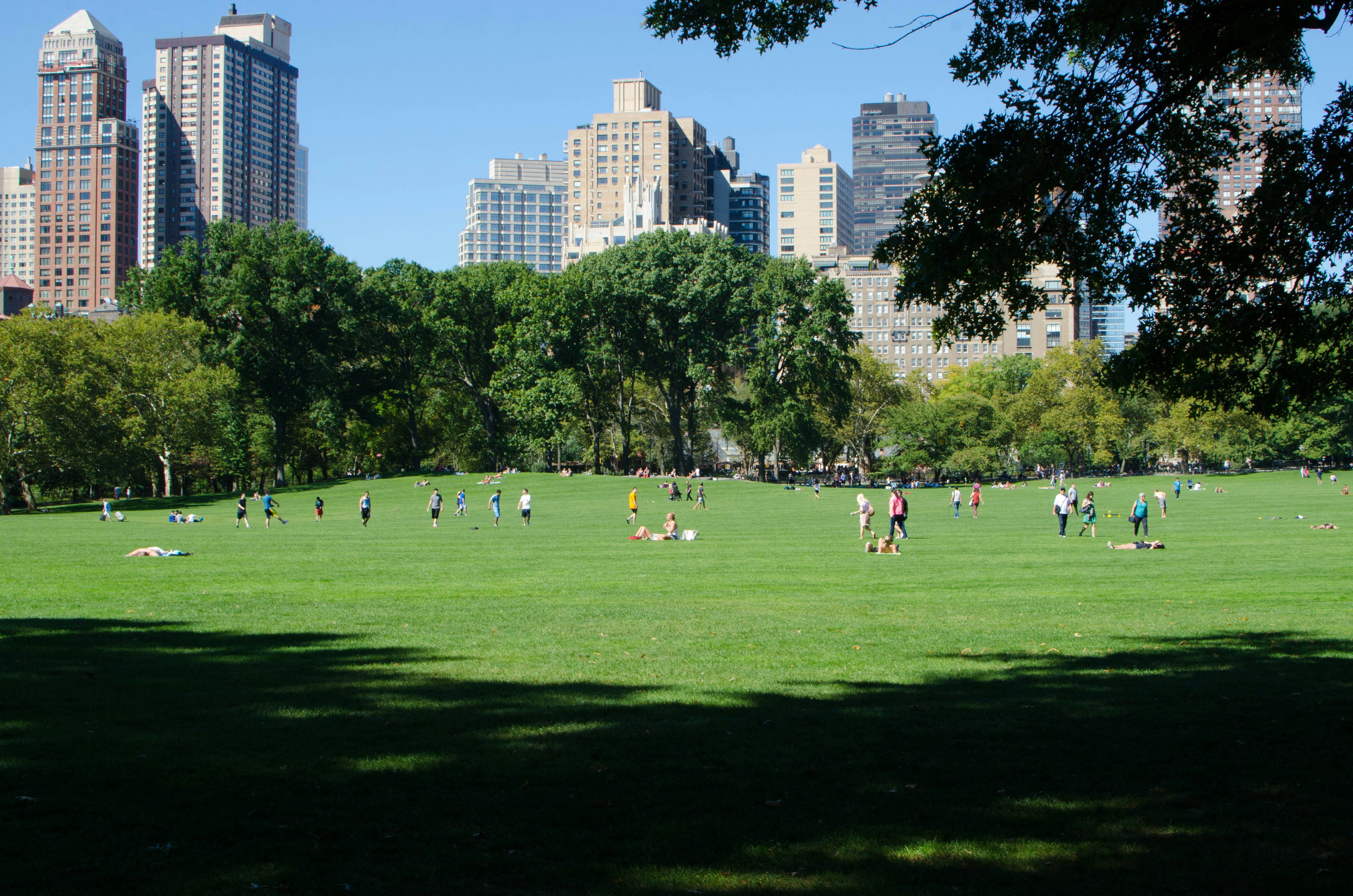
Foothill landscape and developed area in Cameron Park, California

Building Automation & Controls in Cameron Park, CA

Commercial HVAC controls, scheduling, monitoring, alarms, and system integration for Cameron Park offices, retail properties, community facilities, and aviation-area buildings.

Cameron Park service overview

Building Automation & Controls planned around Cameron Park facilities

Commercial HVAC controls, scheduling, monitoring, alarms, and system integration for Cameron Park offices, retail properties, community facilities, and aviation-area buildings.

PMC plans the Building Automation & Controls scope in Cameron Park around the building's use, occupied hours, existing equipment, service access, and documented project requirements.

  • Highway 50 and Cameron Park Drive retail, restaurant, medical, and office properties
  • Aviation-support and commercial facilities near Cameron Airpark Airport
  • County-reviewed commercial and mixed-use development in the Cameron Park Community Region
Cameron Park service guide

Building Automation & Controls in Cameron Park, CA

Commercial HVAC controls, scheduling, monitoring, alarms, and system integration for Cameron Park offices, retail properties, community facilities, and aviation-area buildings.

Commercial controls should make a Cameron Park facility easier to operate, not simply add another interface. Peak Mechanical Construction coordinates building automation and HVAC controls for new equipment, tenant improvements, existing-system upgrades, and mixed-use properties. The scope is based on the approved sequence, compatible equipment, available platform access, and the information facility staff actually need.

Scheduling different commercial uses

Offices, restaurants, retail spaces, medical businesses, and community facilities around Cameron Park Drive can follow very different schedules. Specified occupied and unoccupied setpoints, zone schedules, alarms, trends, and equipment status can help operators match HVAC operation to those hours. The control strategy should also identify who can change settings and how after-hours needs are handled.

Tenant improvements can relocate walls, thermostats, equipment, and occupied zones. PMC coordinates sensors, controllers, actuators, panels, wiring, and equipment interfaces with the completed layout. When a tenant shares central equipment with other suites, the owner’s control boundaries and access requirements need to be documented.

Existing platforms and integration limits

Before new equipment is connected to an existing system, PMC reviews available control drawings, communication protocols, field-device condition, software access, network requirements, and third-party responsibilities. Proprietary licensing or factory authorization may determine whether direct integration is available. Those limitations should be resolved before a sequence relies on points the project cannot access.

Final point lists, sequences, and performance requirements remain with the responsible design professionals. PMC coordinates programming, panel and device installation, startup, and testing responsibilities included in its scope.

Field devices and functional review

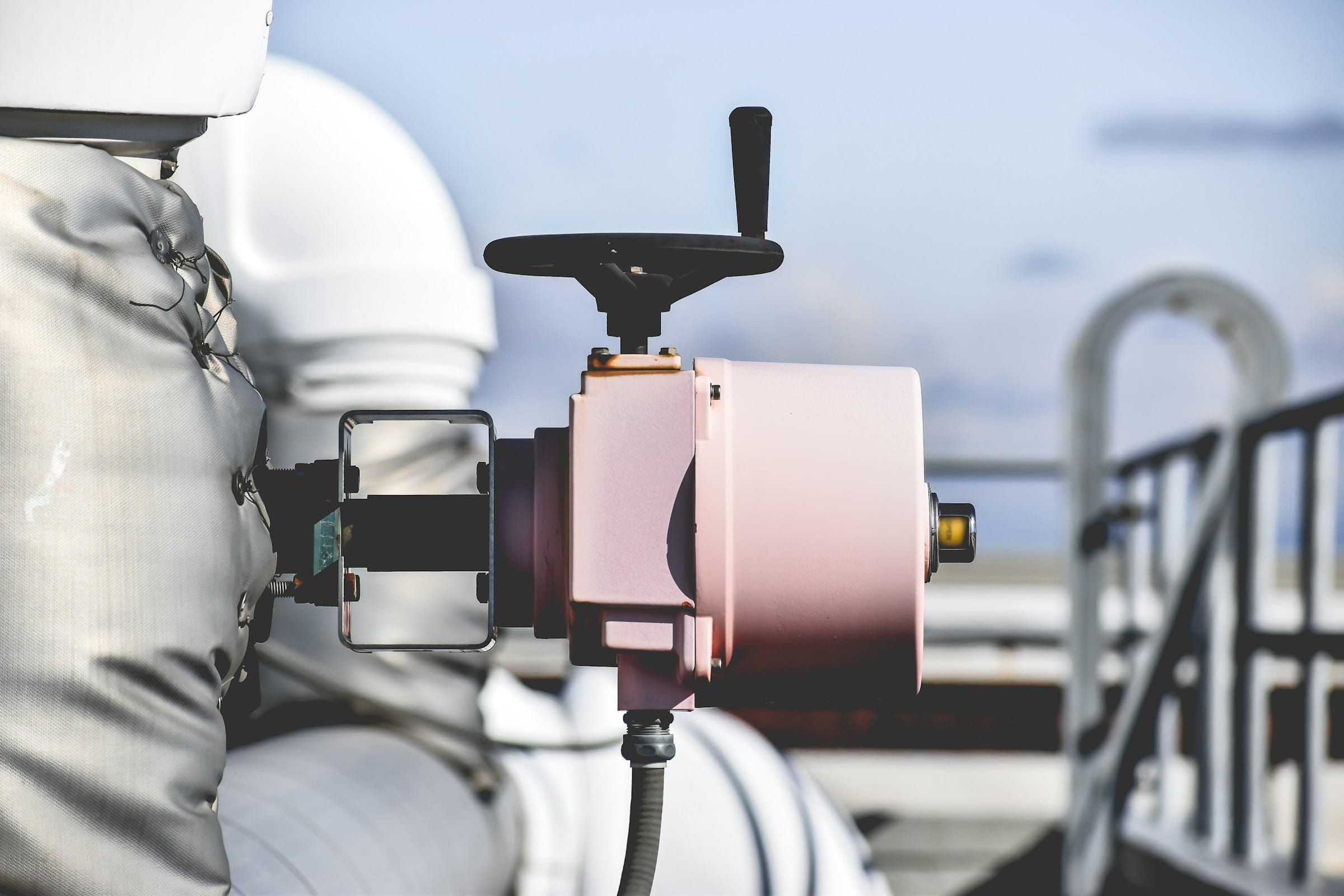
A control sequence depends on the devices that report conditions and move equipment. Sensor placement, actuator stroke, valve or damper position, controller inputs, and equipment safeties should be checked against the approved documents. During startup, PMC can coordinate point-to-point review and functional activities assigned to its scope, document unresolved items, and support correction of verified control issues. Trend data can help the project team observe operation, but it should be interpreted in the context of occupancy, weather, schedules, and the system design rather than treated as proof of a single cause.

Aviation-area zones

Cameron Airpark Airport is covered by a County land-use compatibility plan. Nearby buildings can combine hangar, shop, office, storage, or support spaces. Separate operating zones may benefit from different schedules or setpoints where the HVAC design supports them. Equipment rooms and high-bay areas can also require monitoring that differs from conventional office comfort.

PMC does not infer a process or critical requirement from the aviation location. The owner and design team define the operating criteria, alarms, and response expectations for the actual facility.

Design and turnover coordination

Cameron Park is a County-designated Community Region with evolving commercial design standards. Control panels, outdoor sensors, conduits, equipment screens, and service access should be coordinated with the building design and other trades. At turnover, operator graphics, point information, alarm setup, and defined training should match the system that was installed.

Useful starting information includes the Cameron Park address, equipment list, current controls platform, available drawings, observed control issues, required schedules or alarms, and staff who will operate the system. PMC can then identify whether the next step is investigation, repair, equipment integration, or a larger automation upgrade.

Client verticals

Building Automation & Controls for Cameron Park Facilities
PMC plans building automation & controls work around the operating requirements of Cameron Park's commercial, industrial, institutional, and public facilities.

Hover or focus to preview. Select a facility type to open its full Cameron Park industry brief.

More PMC Services in Cameron Park
PMC also provides the following commercial mechanical services in Cameron Park. Each card opens the matching local service page.

PMC Building Automation & Controls Locations

Cameron Park is highlighted below. Choose any city for local building automation & controls information.

PMC Service Area We Service These Cities
Approx. drive time from Auburn

Swipe the route map sideways to follow each corridor

PMC Building Automation & Controls service locations including Cameron Park A map of PMC service locations along major Northern California freeways and highways. City marker colors represent approximate travel times from Auburn, with extended service reaching Truckee, Chico, Lodi, and South Lake Tahoe. SIERRA NEVADA SACRAMENTO VALLEY Sacramento River Lake Tahoe Chico: 105–120 min via CA-65 / CA-70 / CA-99 north Chico Oroville: 80–95 min via CA-65 / CA-70 north Oroville Marysville: 50–65 min via CA-65 / CA-70 north Marysville Yuba City: 50–65 min via CA-65 / CA-99 north Yuba City Woodland: 55–70 min via I-5 / CA-113 Woodland Lincoln: 25–35 min via CA-193 / CA-65 Lincoln Nevada City: 35–45 min via CA-49 north Nevada City Grass Valley: 30–40 min via CA-49 north Grass Valley Truckee: 75–95 min via I-80 / Donner Pass Truckee Colfax: 20–25 min via I-80 east Colfax Auburn: Auburn home base via PMC home base P PMC • AUBURN Loomis: 15–20 min via I-80 west Loomis Rocklin: 20–30 min via I-80 west Rocklin Roseville: 25–35 min via I-80 west Roseville Citrus Heights: 35–45 min via I-80 west Citrus Heights Sacramento: 40–55 min via I-80 west Sacramento West Sacramento: 45–60 min via I-80 west West Sacramento Davis: 55–70 min via I-80 west Davis Rancho Cordova: 45–60 min via I-80 / US-50 Rancho Cordova Granite Bay: 25–35 min via Auburn–Folsom Road Granite Bay Folsom: 35–45 min via Auburn–Folsom Road Folsom El Dorado Hills: 40–50 min via Auburn–Folsom Road / US-50 El Dorado Hills Cameron Park: 50–60 min via US-50 east Cameron Park Placerville: 45–60 min via CA-49 south Placerville Elk Grove: 60–75 min via I-80 / CA-99 south Elk Grove South Lake Tahoe: 120–150 min via CA-49 / US-50 — weather dependent. Contact PMC to confirm scheduling. South Lake Tahoe Lodi: 70–90 min via I-80 / CA-99 south. Lodi
City details Cameron Park, CA 50–60 min US-50 east
Nearby
15–35 min
Regional
30–65 min
Extended
55–95 min
Scheduled
90+ min