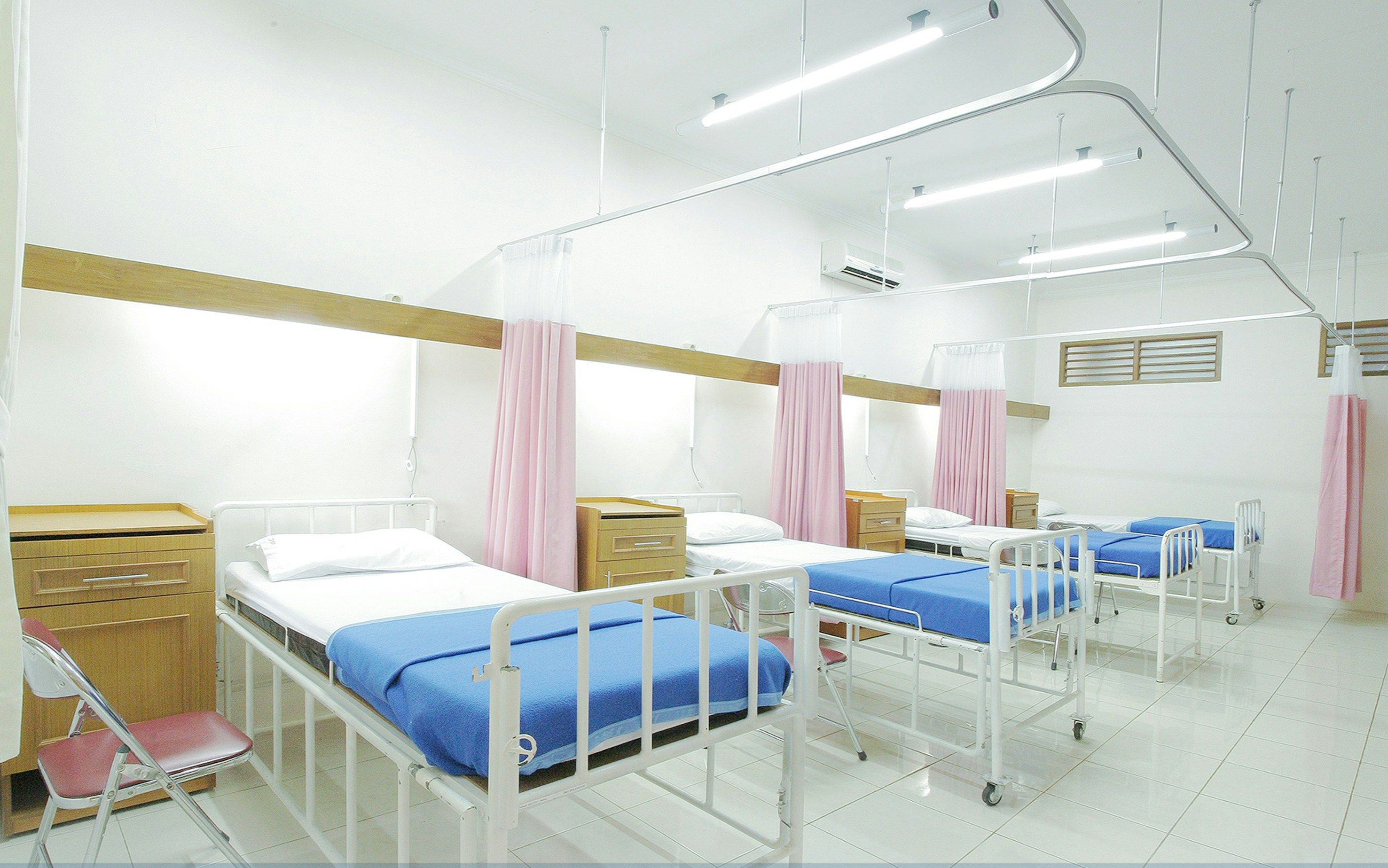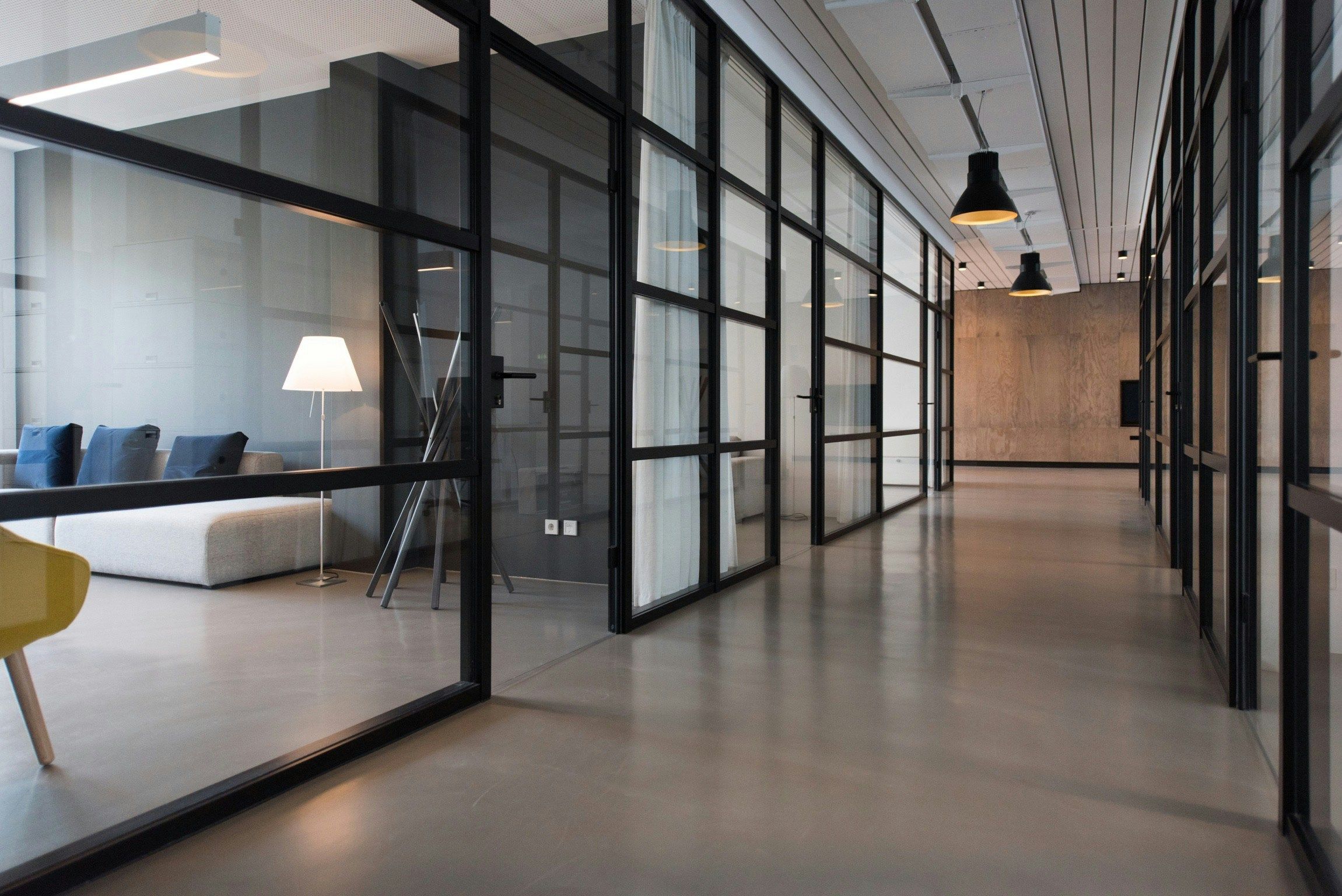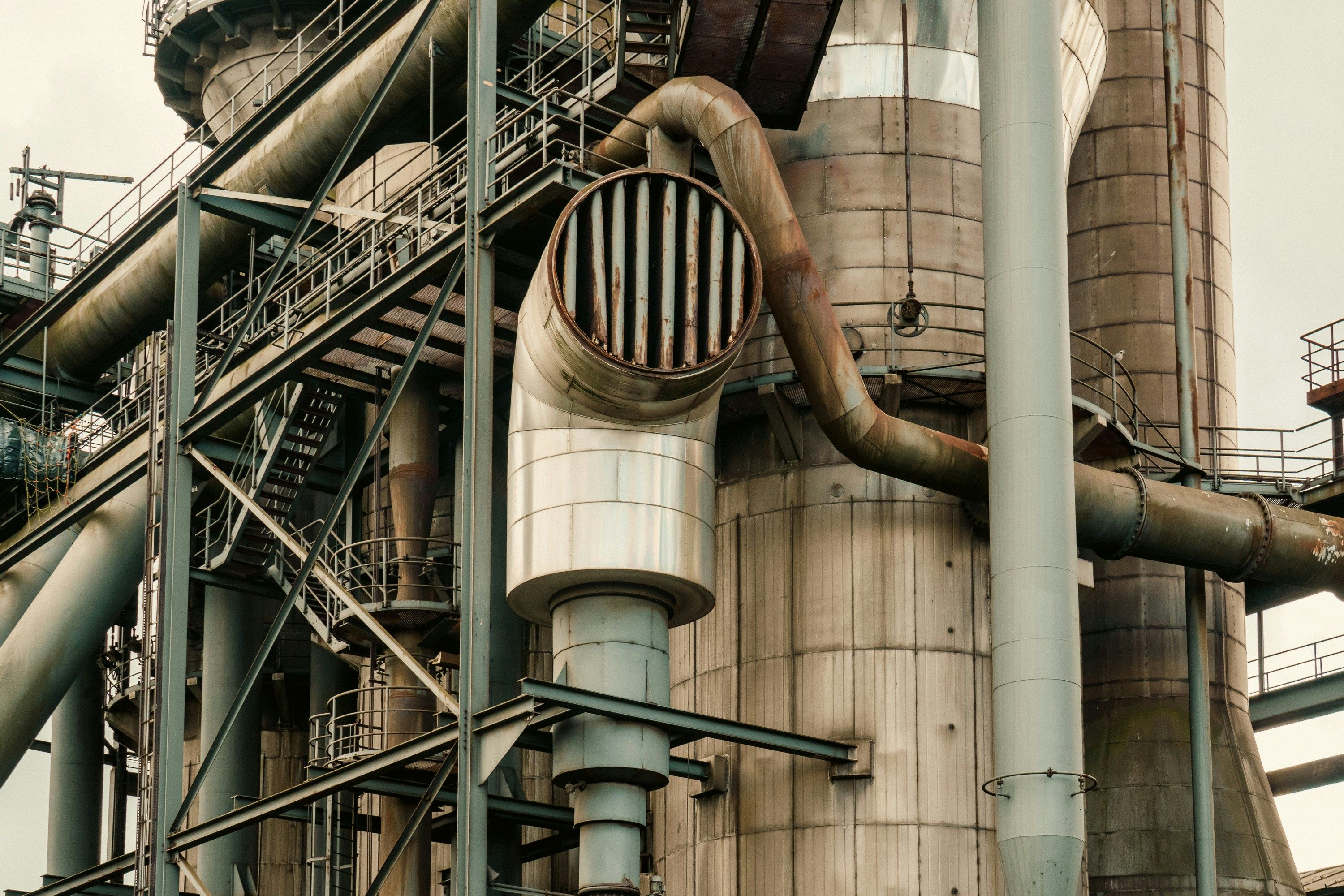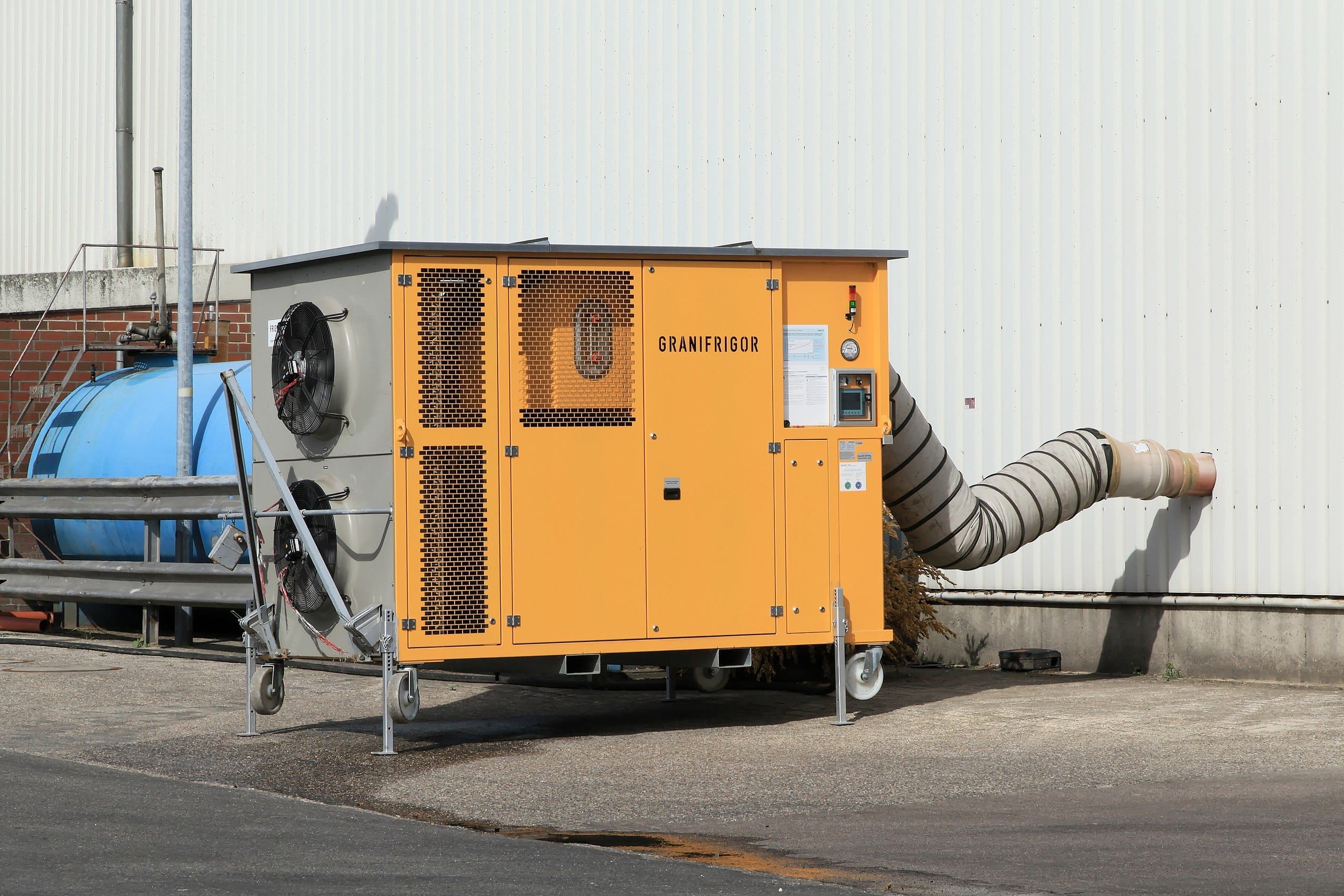
Commercial buildings and street scene in Marysville, California

Building Automation & Controls in Marysville, CA

Commercial HVAC controls, scheduling, monitoring, alarms, and equipment integration for Marysville businesses, healthcare properties, offices, institutions, and public facilities.

Marysville service overview

Building Automation & Controls planned around Marysville facilities

Commercial HVAC controls, scheduling, monitoring, alarms, and equipment integration for Marysville businesses, healthcare properties, offices, institutions, and public facilities.

PMC plans the Building Automation & Controls scope in Marysville around the building's use, occupied hours, existing equipment, service access, and documented project requirements.

  • Downtown retail, restaurant, hospitality, and professional-office properties
  • Medical Arts District healthcare and institutional facilities
  • State Route 20 and State Route 70 commercial, civic, and employment sites
Marysville service guide

Building Automation & Controls in Marysville, CA

Commercial HVAC controls, scheduling, monitoring, alarms, and equipment integration for Marysville businesses, healthcare properties, offices, institutions, and public facilities.

Commercial controls should reflect how a Marysville facility actually operates. A downtown restaurant, Medical Arts office, institutional property, corridor business, and public building can have very different room schedules and staff needs. Peak Mechanical Construction coordinates building automation around the approved sequence, installed equipment, compatible devices, available platform access, and the people responsible for daily operation.

Zone and schedule coordination

Marysville’s long-range planning distinguishes Downtown, the Medical Arts District, Ellis Lake, E Street, and other commercial or employment areas. Within any one property, room uses can vary just as much. Offices, treatment or support spaces, dining areas, retail floors, meeting rooms, and equipment rooms may not share the same occupied hours or temperature requirements.

PMC coordinates schedules, setpoints, sensors, actuators, valves, dampers, drives, equipment status, alarms, and graphics included in the contracted scope. The owner and responsible engineer establish the sequence and performance criteria. A point shown on a diagram is useful only when a compatible field device exists, the responsible controller can read or command it, and staff understand what the value represents.

Existing-platform integration

Before adding equipment to an existing automation system, PMC reviews available control drawings, controller condition, communication protocols, software and licensing access, network requirements, field devices, and third-party obligations. Proprietary platforms may require an authorized vendor. Those dependencies should be confirmed before the project promises functions that cannot be accessed or supported.

Tenant work can move partitions or thermostats and leave zone labels tied to a previous layout. Field verification compares equipment and sensor relationships with the completed room plan. Historical trends are interpreted with occupancy, outdoor conditions, schedule, and equipment state rather than treated as a diagnosis by themselves.

Controls during occupied renovations

A facility may need old and new controls to operate side by side while construction advances through phases. The cutover plan identifies which equipment remains supported, how temporary alarms are handled, what manual operation is permitted, and which tests allow the next phase. Shutdown authority and communications belong in the plan when several tenants or departments depend on a central system.

Point-to-point verification and functional activities assigned to PMC are coordinated with equipment startup and the approved sequence. Open issues are recorded for the party able to resolve them. At turnover, operators need clear information about normal schedules, permitted overrides, alarm meaning, and vendor support.

Development and visible equipment questions

Marysville administers planning, zoning, building safety, and development review for commercial work, while its planning documents identify downtown opportunity sites for infill and coordinated investment. Control panels, antennas, sensors, conduit, or related exterior devices should be located with the property and design team if they affect visible building or site elements.

Controls planning for a reinvestment project can also reserve panel space, network pathways, sensor locations, equipment interfaces, and maintenance access before finishes are set. Electrical power, communications, mechanical equipment, and vendor packages should have clearly assigned boundaries.

Useful starting information includes the Marysville address, facility and room uses, equipment list, current platform, existing drawings, approved sequence or points list, operating complaints, required alarms or trends, network limitations, and staff or vendors responsible for controls access.

Client verticals

Building Automation & Controls for Marysville Facilities
PMC plans building automation & controls work around the operating requirements of Marysville's commercial, industrial, institutional, and public facilities.

Hover or focus to preview. Select a facility type to open its full Marysville industry brief.

More PMC Services in Marysville
PMC also provides the following commercial mechanical services in Marysville. Each card opens the matching local service page.

PMC Building Automation & Controls Locations

Marysville is highlighted below. Choose any city for local building automation & controls information.

PMC Service Area We Service These Cities
Approx. drive time from Auburn

Swipe the route map sideways to follow each corridor

PMC Building Automation & Controls service locations including Marysville A map of PMC service locations along major Northern California freeways and highways. City marker colors represent approximate travel times from Auburn, with extended service reaching Truckee, Chico, Lodi, and South Lake Tahoe. SIERRA NEVADA SACRAMENTO VALLEY Sacramento River Lake Tahoe Chico: 105–120 min via CA-65 / CA-70 / CA-99 north Chico Oroville: 80–95 min via CA-65 / CA-70 north Oroville Marysville: 50–65 min via CA-65 / CA-70 north Marysville Yuba City: 50–65 min via CA-65 / CA-99 north Yuba City Woodland: 55–70 min via I-5 / CA-113 Woodland Lincoln: 25–35 min via CA-193 / CA-65 Lincoln Nevada City: 35–45 min via CA-49 north Nevada City Grass Valley: 30–40 min via CA-49 north Grass Valley Truckee: 75–95 min via I-80 / Donner Pass Truckee Colfax: 20–25 min via I-80 east Colfax Auburn: Auburn home base via PMC home base P PMC • AUBURN Loomis: 15–20 min via I-80 west Loomis Rocklin: 20–30 min via I-80 west Rocklin Roseville: 25–35 min via I-80 west Roseville Citrus Heights: 35–45 min via I-80 west Citrus Heights Sacramento: 40–55 min via I-80 west Sacramento West Sacramento: 45–60 min via I-80 west West Sacramento Davis: 55–70 min via I-80 west Davis Rancho Cordova: 45–60 min via I-80 / US-50 Rancho Cordova Granite Bay: 25–35 min via Auburn–Folsom Road Granite Bay Folsom: 35–45 min via Auburn–Folsom Road Folsom El Dorado Hills: 40–50 min via Auburn–Folsom Road / US-50 El Dorado Hills Cameron Park: 50–60 min via US-50 east Cameron Park Placerville: 45–60 min via CA-49 south Placerville Elk Grove: 60–75 min via I-80 / CA-99 south Elk Grove South Lake Tahoe: 120–150 min via CA-49 / US-50 — weather dependent. Contact PMC to confirm scheduling. South Lake Tahoe Lodi: 70–90 min via I-80 / CA-99 south. Lodi
City details Marysville, CA 50–65 min CA-65 / CA-70 north
Nearby
15–35 min
Regional
30–65 min
Extended
55–95 min
Scheduled
90+ min