Citrus Heights City Hall in Citrus Heights, California

Commercial Building Controls in Citrus Heights, CA

Building automation, control upgrades, troubleshooting, and HVAC integration for Citrus Heights retail, office, mixed-use, and institutional facilities.

Citrus Heights service overview

Building Automation & Controls planned around Citrus Heights facilities

Building automation, control upgrades, troubleshooting, and HVAC integration for Citrus Heights retail, office, mixed-use, and institutional facilities.

PMC plans the Building Automation & Controls scope in Citrus Heights around the building's use, occupied hours, existing equipment, service access, and documented project requirements.

  • Sunrise MarketPlace retail, restaurant, office, and service properties
  • Auburn Boulevard and Greenback Lane commercial corridors
  • Healthcare, civic, education, and community facilities
Citrus Heights service guide

Commercial Building Controls in Citrus Heights, CA

Building automation, control upgrades, troubleshooting, and HVAC integration for Citrus Heights retail, office, mixed-use, and institutional facilities.

Commercial controls make equipment respond to the real schedule and zoning of a building. In Citrus Heights, that can mean coordinating numerous rooftop units across a shopping property, separating dining and kitchen operation, managing offices that close earlier than neighboring businesses, or providing useful alarms and trends for a community facility. Peak Mechanical Construction approaches controls as part of the mechanical system, with the hardware, sequences, sensors, communication, and operator needs considered together.

Controls for Sunrise-area retail properties

With more than 450 businesses concentrated in Sunrise MarketPlace, operating patterns can vary from suite to suite even when tenants share a roof or central service areas. One business may open early, another may remain active into the evening, and vacant or support areas may need a different schedule entirely. Controls can support those distinctions through specified occupancy schedules, setpoints, equipment enable commands, and zone sensing when the installed systems allow it.

Before adding or changing control points, PMC identifies the equipment being served, accessible field devices, network or communication paths, ownership boundaries, and any proprietary platform requirements. A thermostat replacement alone will not correct an airflow, equipment, or zoning problem. Conversely, functional equipment should not be discarded merely because an interface is dated. The investigation is used to separate mechanical conditions from programming or sensor issues and to define a targeted scope.

Integration during corridor tenant improvements

Retail, restaurant, medical, and office spaces along Auburn Boulevard and Greenback Lane may have passed through several tenant configurations. Partitions move, schedules change, and equipment is added without every control zone being reconsidered. During an improvement, PMC can compare the proposed rooms with the existing zoning and determine where sensors, dampers, schedules, or equipment interfaces need attention. Work is coordinated with HVAC installation, electrical power, ceilings, and the permitted project documents.

Occupied businesses require a deliberate transition. The team can plan controller cutovers, identify equipment that will be unavailable, preserve necessary settings and information when possible, and establish functional checks before the new or revised sequence is turned over. The facility contact receives a clear explanation of the controls included in the project and the parties responsible for third-party systems.

Automation in redevelopment and mixed-use settings

The Sunrise Tomorrow plan anticipates long-term mixed-use redevelopment over the roughly 100-acre mall property. Larger projects can combine common areas, tenant systems, central equipment, and future buildouts that need a coherent control architecture. Early decisions about protocols, point naming, network structure, trend storage, alarm routing, and access rights can make later expansion more manageable. Those decisions belong with the design team and owner requirements, not as improvised field additions.

PMC can coordinate controls submittals and installation with the broader mechanical scope, including startup sequencing, sensor verification, equipment communication, and documented functional responsibilities. The goal is an understandable system that matches approved sequences, not a dashboard filled with points that no one has defined.

Troubleshooting and practical operator visibility

When a Citrus Heights facility reports comfort complaints or recurring alarms, control data can help organize the investigation. Schedules, commands, temperatures, and equipment status may show when a problem occurs, but the data must be checked against actual field operation. PMC reviews available trends and accessible components, tests relevant inputs or outputs, and communicates what is known before recommending corrective work.

A useful service request includes the site address, platform or controller information, affected equipment and zones, recent changes, alarm text, and available trend screenshots. That context helps distinguish a programming question from a sensor, communication, or mechanical issue and supports a focused next step.

Client verticals

Building Automation & Controls for Citrus Heights Facilities
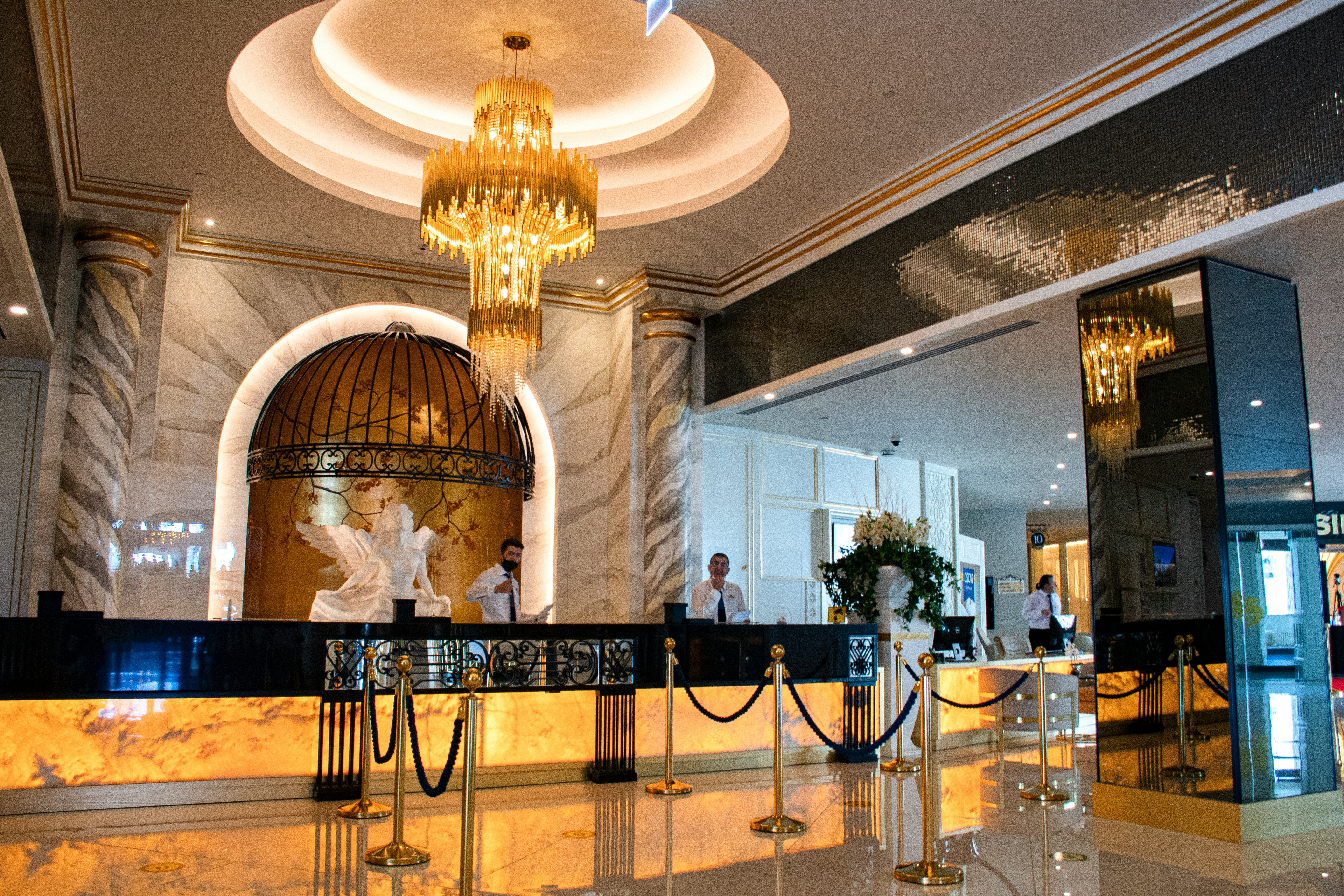
PMC plans building automation & controls work around the operating requirements of Citrus Heights's commercial, industrial, institutional, and public facilities.

Hover or focus to preview. Select a facility type to open its full Citrus Heights industry brief.

More PMC Services in Citrus Heights
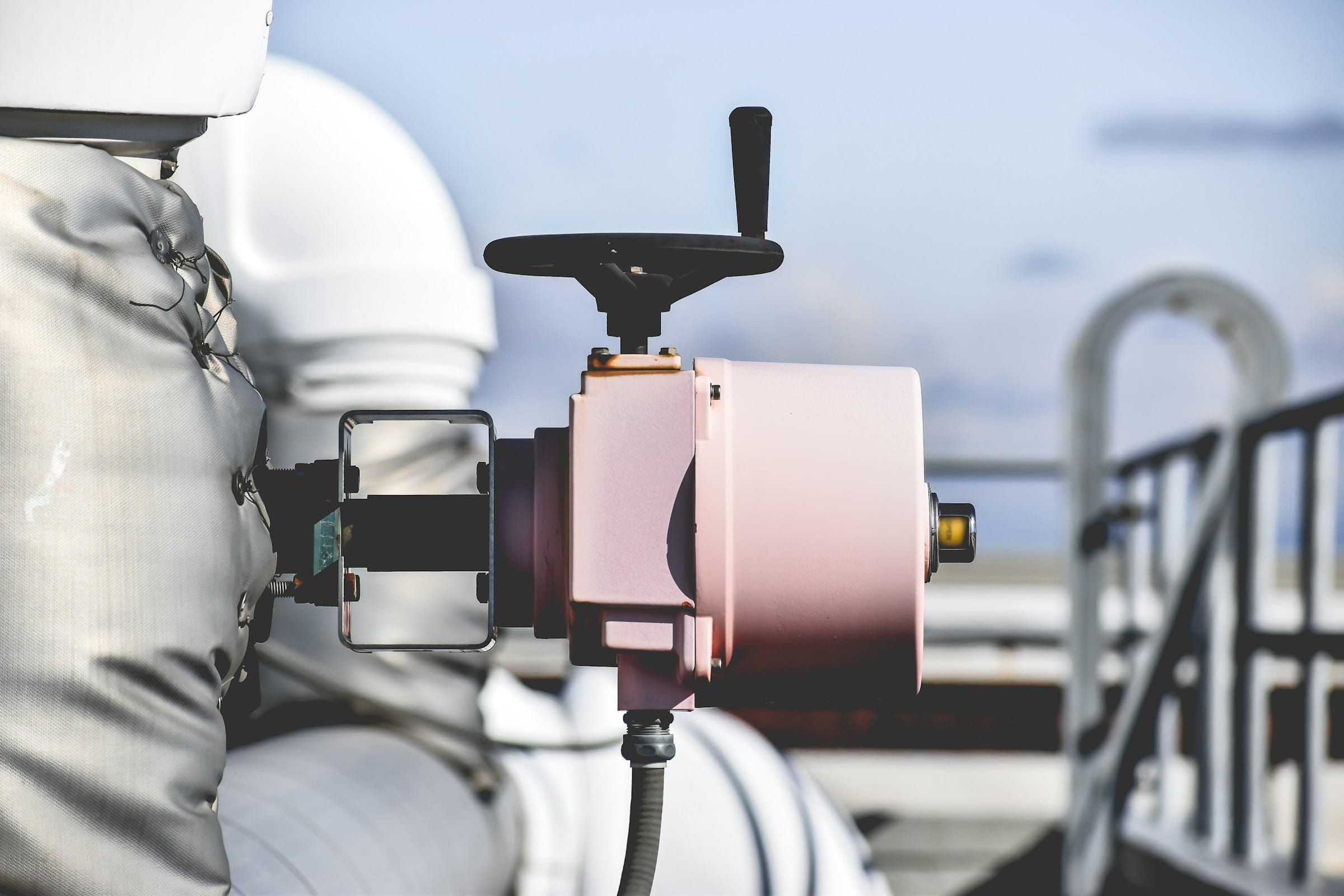
PMC also provides the following commercial mechanical services in Citrus Heights. Each card opens the matching local service page.

PMC Building Automation & Controls Locations

Citrus Heights is highlighted below. Choose any city for local building automation & controls information.

PMC Service Area We Service These Cities
Approx. drive time from Auburn

Swipe the route map sideways to follow each corridor

PMC Building Automation & Controls service locations including Citrus Heights A map of PMC service locations along major Northern California freeways and highways. City marker colors represent approximate travel times from Auburn, with extended service reaching Truckee, Chico, Lodi, and South Lake Tahoe. SIERRA NEVADA SACRAMENTO VALLEY Sacramento River Lake Tahoe Chico: 105–120 min via CA-65 / CA-70 / CA-99 north Chico Oroville: 80–95 min via CA-65 / CA-70 north Oroville Marysville: 50–65 min via CA-65 / CA-70 north Marysville Yuba City: 50–65 min via CA-65 / CA-99 north Yuba City Woodland: 55–70 min via I-5 / CA-113 Woodland Lincoln: 25–35 min via CA-193 / CA-65 Lincoln Nevada City: 35–45 min via CA-49 north Nevada City Grass Valley: 30–40 min via CA-49 north Grass Valley Truckee: 75–95 min via I-80 / Donner Pass Truckee Colfax: 20–25 min via I-80 east Colfax Auburn: Auburn home base via PMC home base P PMC • AUBURN Loomis: 15–20 min via I-80 west Loomis Rocklin: 20–30 min via I-80 west Rocklin Roseville: 25–35 min via I-80 west Roseville Citrus Heights: 35–45 min via I-80 west Citrus Heights Sacramento: 40–55 min via I-80 west Sacramento West Sacramento: 45–60 min via I-80 west West Sacramento Davis: 55–70 min via I-80 west Davis Rancho Cordova: 45–60 min via I-80 / US-50 Rancho Cordova Granite Bay: 25–35 min via Auburn–Folsom Road Granite Bay Folsom: 35–45 min via Auburn–Folsom Road Folsom El Dorado Hills: 40–50 min via Auburn–Folsom Road / US-50 El Dorado Hills Cameron Park: 50–60 min via US-50 east Cameron Park Placerville: 45–60 min via CA-49 south Placerville Elk Grove: 60–75 min via I-80 / CA-99 south Elk Grove South Lake Tahoe: 120–150 min via CA-49 / US-50 — weather dependent. Contact PMC to confirm scheduling. South Lake Tahoe Lodi: 70–90 min via I-80 / CA-99 south. Lodi
City details Citrus Heights, CA 35–45 min I-80 west
Nearby
15–35 min
Regional
30–65 min
Extended
55–95 min
Scheduled
90+ min