Historic commercial buildings along Main Street in Placerville, California

Commercial Building Controls in Placerville, CA

Building automation, HVAC controls, integration, and troubleshooting for Placerville Main Street, Highway 50, office, hospitality, and public facilities.

Placerville service overview

Building Automation & Controls planned around Placerville facilities

Building automation, HVAC controls, integration, and troubleshooting for Placerville Main Street, Highway 50, office, hospitality, and public facilities.

PMC plans the Building Automation & Controls scope in Placerville around the building's use, occupied hours, existing equipment, service access, and documented project requirements.

  • Historic Main Street retail, restaurants, hospitality, and professional offices
  • Highway 50 commercial, medical, institutional, and visitor-serving properties
  • Public facilities and commercial projects using Placerville's municipal utility systems
Placerville service guide

Commercial Building Controls in Placerville, CA

Building automation, HVAC controls, integration, and troubleshooting for Placerville Main Street, Highway 50, office, hospitality, and public facilities.

Placerville commercial buildings can contain zones with very different schedules: Main Street restaurants and shops, hospitality rooms, Highway 50 offices and medical spaces, public counters, meeting areas, and equipment rooms. Building controls can apply defined schedules, setpoints, commands, alarms, and trends to those zones. Peak Mechanical Construction coordinates controls with the actual HVAC equipment and approved sequence.

Existing controls in Main Street properties

Established commercial buildings may contain standalone thermostats, packaged-equipment controls, network devices, or equipment added through successive tenant improvements. Room layouts and operating hours can change while old zone names and sensor locations remain. PMC inventories accessible controllers, protocols, sensors, actuators, equipment interfaces, platform access, and current support vendors before proposing an upgrade.

Comparing control graphics and point lists with the physical building helps distinguish labeling and programming issues from communication, device, airflow, or equipment problems. Functional components can remain where appropriate, but new work should establish which party owns each controller, network, and external interface.

Corridor offices and varied occupancy

Highway 50 is Placerville’s primary commercial corridor. Offices, healthcare spaces, institutional properties, retail, and visitor-serving buildings along it may have reception, private rooms, meeting areas, and support spaces with different schedules. Controls can provide after-hours operation, zone setpoints, prioritized alarms, and equipment status where the installed systems support those functions.

For a tenant renovation, sensor placement and zone boundaries are reviewed against the proposed rooms. A thermostat that represented an open office may no longer provide useful control after private rooms are constructed. Mechanical load and air-distribution changes are addressed alongside programming.

Troubleshooting with context

Trend data can show when a command, temperature, or equipment status changed. Facility staff can add context about occupancy, kitchen activity, events, outdoor conditions, or recent work. PMC compares that information with sensor accuracy, actuator response, communications, airflow, and mechanical operation before recommending a corrective action.

Alarm planning identifies priority, recipient, and expected response. The facility determines operating responsibilities, while the controls scope implements approved routing. An undefined notification is not represented as an effective monitoring program.

Cutover and permitted-project coordination

Placerville commercial renovations may require building, planning, fire, and utility approvals. Mechanical control locations and equipment interfaces are coordinated with the approved project. Cutovers identify affected equipment and rooms, authorization, settings or data to retain, external vendors, functional checks, and restoration.

Provide the address, control platform and version, current floor plan, affected equipment and rooms, alarm or trend examples, desired outcomes, owner-network requirements, existing vendors, and recent modifications. These inputs help PMC define a focused assessment and an operator handoff tied to the actual Placerville facility.

Facility staff should identify normal schedules, authorized overrides, and who needs control access after turnover. In a shared Main Street building, landlord equipment and tenant thermostats may have separate support responsibilities. Recording those boundaries helps prevent a service request for one zone from changing equipment that serves another occupant.

Where old graphic names no longer match the current rooms, the assessment can reconcile controller mapping, point labels, and field devices before sequences are changed. Alarm priorities can likewise distinguish conditions requiring immediate action from advisory notifications. Clear names and responses make the completed interface more useful to the operator.

Client verticals

Building Automation & Controls for Placerville Facilities
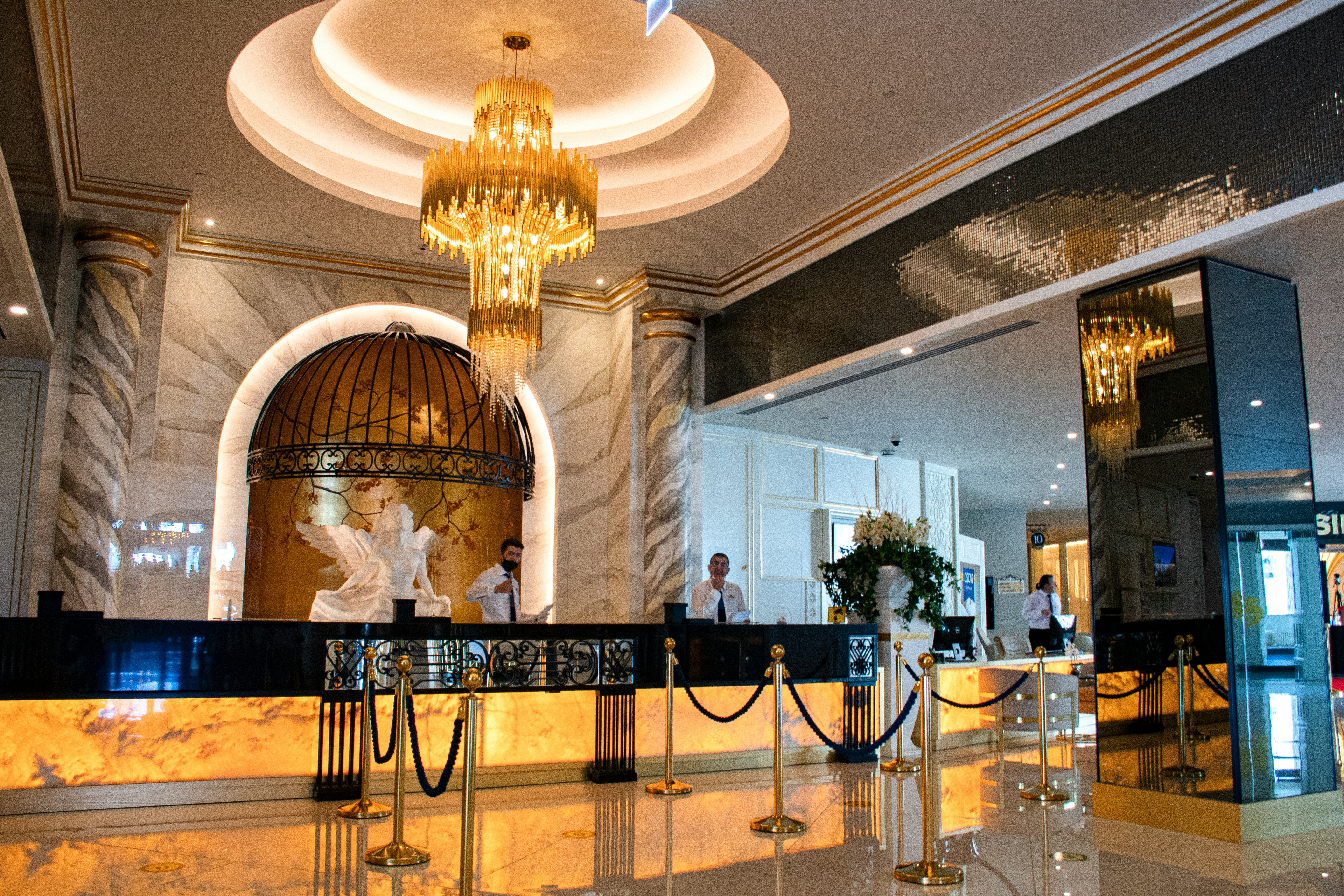
PMC plans building automation & controls work around the operating requirements of Placerville's commercial, industrial, institutional, and public facilities.

Hover or focus to preview. Select a facility type to open its full Placerville industry brief.

More PMC Services in Placerville
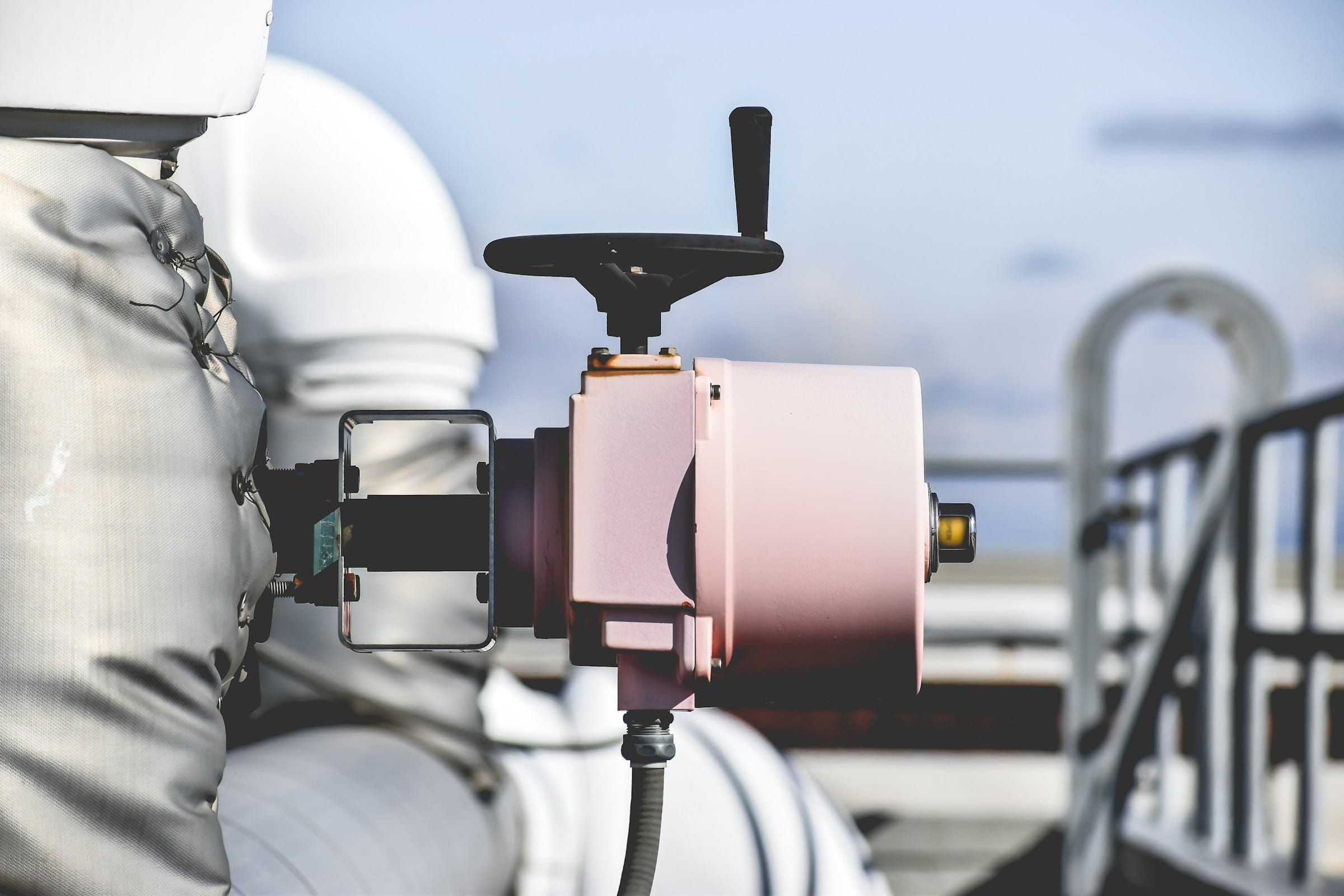
PMC also provides the following commercial mechanical services in Placerville. Each card opens the matching local service page.

PMC Building Automation & Controls Locations

Placerville is highlighted below. Choose any city for local building automation & controls information.

PMC Service Area We Service These Cities
Approx. drive time from Auburn

Swipe the route map sideways to follow each corridor

PMC Building Automation & Controls service locations including Placerville A map of PMC service locations along major Northern California freeways and highways. City marker colors represent approximate travel times from Auburn, with extended service reaching Truckee, Chico, Lodi, and South Lake Tahoe. SIERRA NEVADA SACRAMENTO VALLEY Sacramento River Lake Tahoe Chico: 105–120 min via CA-65 / CA-70 / CA-99 north Chico Oroville: 80–95 min via CA-65 / CA-70 north Oroville Marysville: 50–65 min via CA-65 / CA-70 north Marysville Yuba City: 50–65 min via CA-65 / CA-99 north Yuba City Woodland: 55–70 min via I-5 / CA-113 Woodland Lincoln: 25–35 min via CA-193 / CA-65 Lincoln Nevada City: 35–45 min via CA-49 north Nevada City Grass Valley: 30–40 min via CA-49 north Grass Valley Truckee: 75–95 min via I-80 / Donner Pass Truckee Colfax: 20–25 min via I-80 east Colfax Auburn: Auburn home base via PMC home base P PMC • AUBURN Loomis: 15–20 min via I-80 west Loomis Rocklin: 20–30 min via I-80 west Rocklin Roseville: 25–35 min via I-80 west Roseville Citrus Heights: 35–45 min via I-80 west Citrus Heights Sacramento: 40–55 min via I-80 west Sacramento West Sacramento: 45–60 min via I-80 west West Sacramento Davis: 55–70 min via I-80 west Davis Rancho Cordova: 45–60 min via I-80 / US-50 Rancho Cordova Granite Bay: 25–35 min via Auburn–Folsom Road Granite Bay Folsom: 35–45 min via Auburn–Folsom Road Folsom El Dorado Hills: 40–50 min via Auburn–Folsom Road / US-50 El Dorado Hills Cameron Park: 50–60 min via US-50 east Cameron Park Placerville: 45–60 min via CA-49 south Placerville Elk Grove: 60–75 min via I-80 / CA-99 south Elk Grove South Lake Tahoe: 120–150 min via CA-49 / US-50 — weather dependent. Contact PMC to confirm scheduling. South Lake Tahoe Lodi: 70–90 min via I-80 / CA-99 south. Lodi
City details Placerville, CA 45–60 min CA-49 south
Nearby
15–35 min
Regional
30–65 min
Extended
55–95 min
Scheduled
90+ min