Rancho Cordova is one of the Sacramento region’s largest employment centers, with a workforce exceeding 65,000. Its commercial building stock reflects that role: large office campuses, professional and financial-service workplaces, technology and research spaces, healthcare properties, manufacturing plants, warehouses, and the restaurants and retail businesses that support employees and residents. Mechanical work here can involve a single occupied suite, several systems across a campus, or a specialized production environment. The plan needs to match that scale and the way the facility actually operates.
Peak Mechanical Construction provides commercial HVAC, controls, plumbing, refrigeration and cold-storage work, project management, and custom mechanical solutions in Rancho Cordova. PMC begins by documenting the project purpose, accessible existing conditions, occupancy, equipment, utility interfaces, access, and schedule. That foundation helps distinguish routine replacement work from a project requiring multi-trade coordination, engineered criteria, or a phased transition around ongoing operations.
Office campuses and professional workplaces
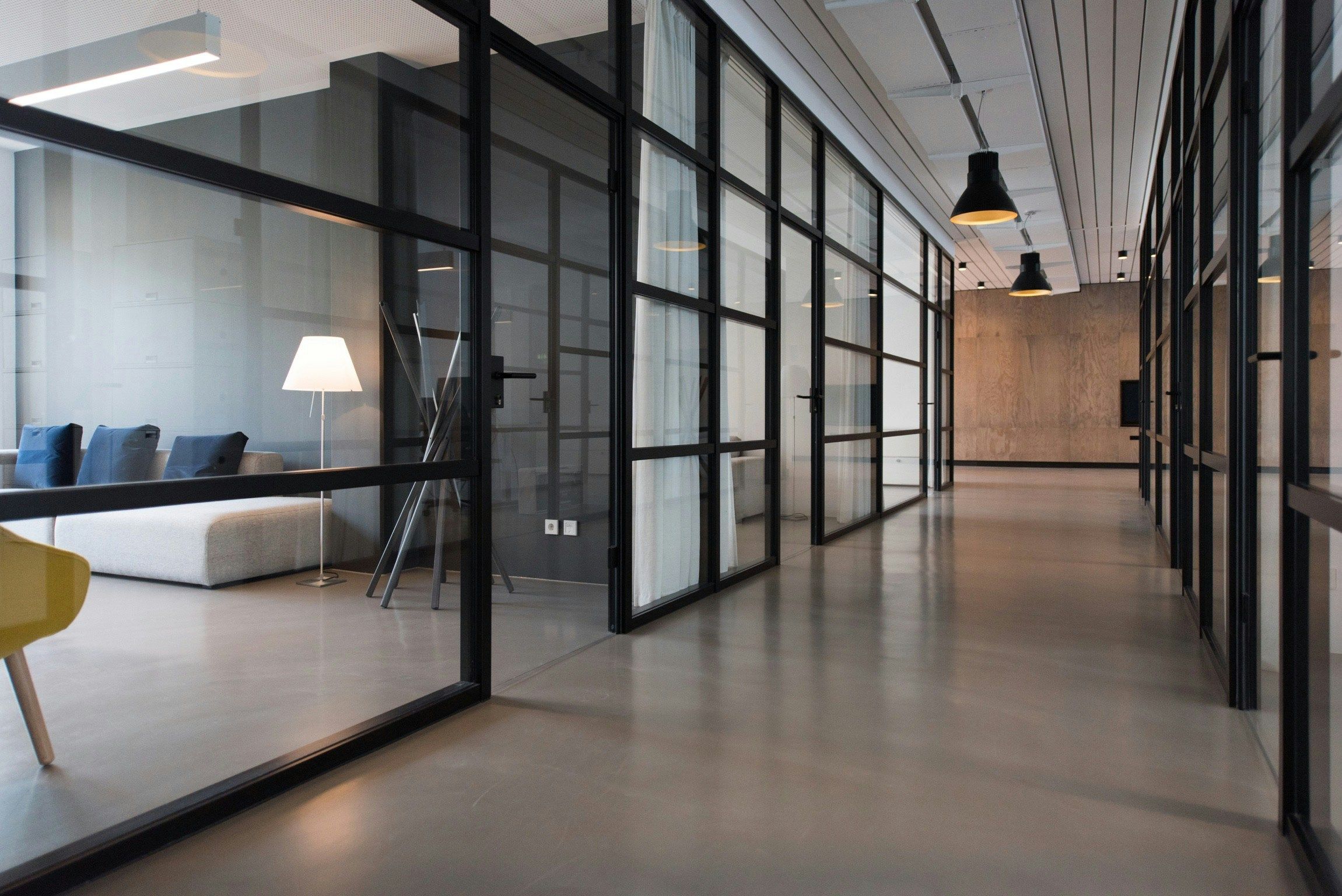
Rancho Cordova’s employment base includes large campuses and professional facilities that can contain open offices, conference and training rooms, customer areas, data or equipment rooms, kitchens, and support spaces under one address. These zones may operate on different schedules and carry different cooling, ventilation, plumbing, and control needs. A useful scope considers how the zones relate instead of assuming the entire building should respond as one block.
For an occupied office, timing is part of the design and construction conversation. Equipment shutdowns, controls cutovers, ceiling access, water interruptions, testing, and deliveries may need to be staged by building, floor, or wing. PMC coordinates its work with facility contacts and the approved project documents, identifying the areas affected at each step and the conditions required before occupants return.
Manufacturing, research, and technology facilities
Rancho Cordova specifically targets advanced manufacturing, clean technology, artificial intelligence, robotics, research, life sciences, and related businesses through its economic-development programs. Facilities serving those industries may combine comfort systems with process-adjacent ventilation, heat loads, equipment cooling, piping, water, drainage, monitoring, and control requirements. PMC does not assume the process from the industry label. The team works from the owner’s equipment information, design criteria, manufacturer requirements, and observable site conditions to define a constructible mechanical scope.
The city also markets dependable power, flexible zoning, available campus space, long-haul fiber, and a competitive internet-service environment. Those infrastructure advantages can attract uses with dense equipment or continuous operations, but they do not eliminate project-level constraints. Electrical capacity, equipment redundancy, control interfaces, service clearances, roof and yard access, structural support, and maintenance routes still require address-specific verification.
Warehousing, logistics, and service-commercial properties
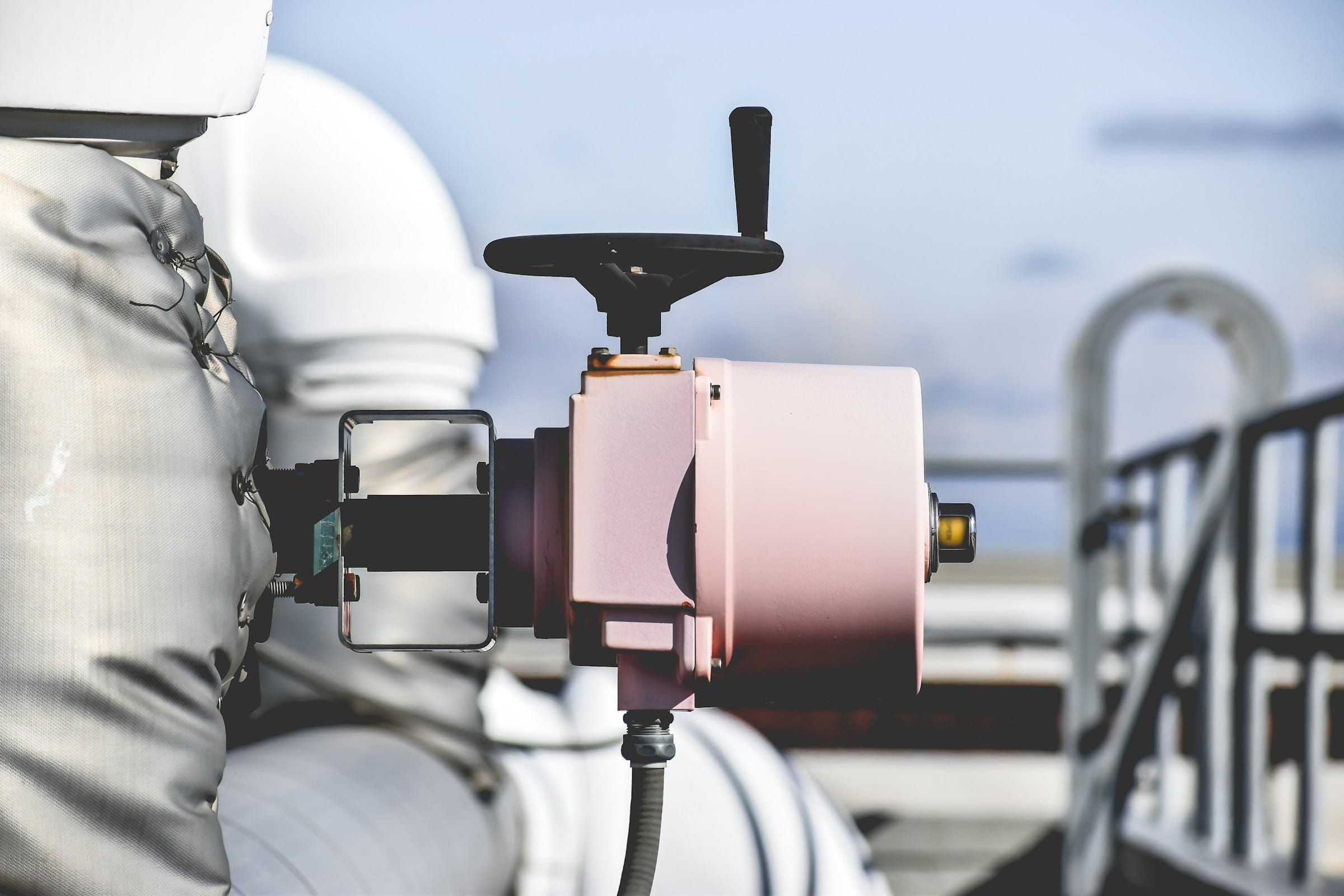
Rancho Cordova’s business resources emphasize access to airport, port, rail, university, workforce, and regional connections. Warehouses and service-commercial properties within that setting can include high-bay storage, conditioned offices, shipping areas, workshops, charging or equipment zones, and rooms with distinct temperature or ventilation requirements. Mechanical planning may involve destratification or air movement, packaged HVAC, exhaust and make-up air, plumbing connections, controls, or custom fabrication, depending on the approved use.
Operational coordination is especially important where deliveries, material movement, or production cannot stop without planning. PMC can establish equipment access, lifting routes, shutdown windows, temporary impacts, safety coordination, startup dependencies, and turnover milestones with the project team. Final system selection and engineering remain governed by approved documents and applicable requirements.
Healthcare, retail, restaurants, and reinvestment
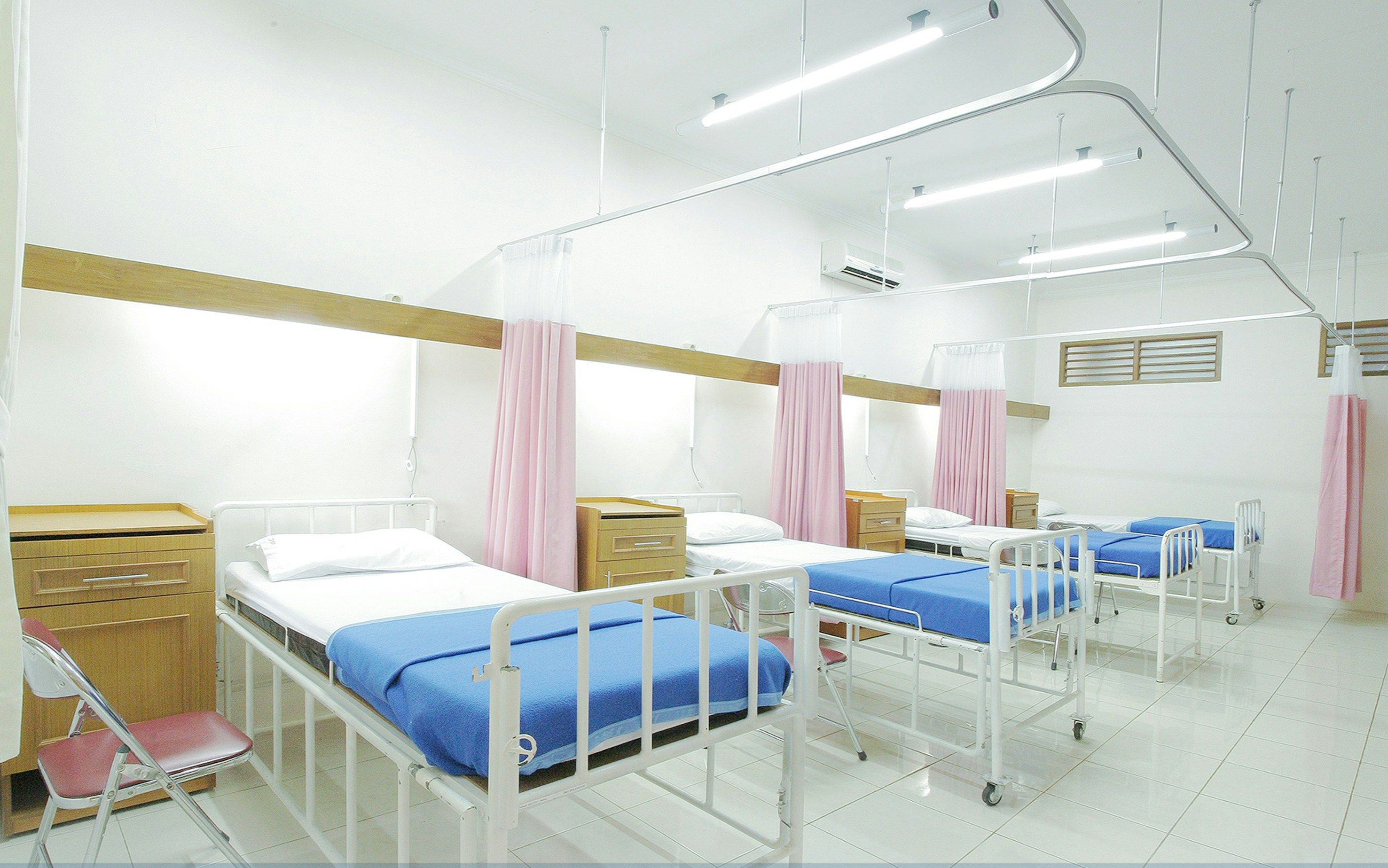
The city’s incentive programs support tenant improvements, equipment, safety work, façades, retail, entertainment, and wider commercial reinvestment. A reuse project can change several mechanical demands at once. An office becoming a clinic may add rooms, fixtures, ventilation, and operating-hour requirements. A restaurant replacing another tenant may inherit piping and rooftop equipment that need verification against a new kitchen schedule. A renovated customer space may need quieter operation, better zoning, or work phased around open hours.
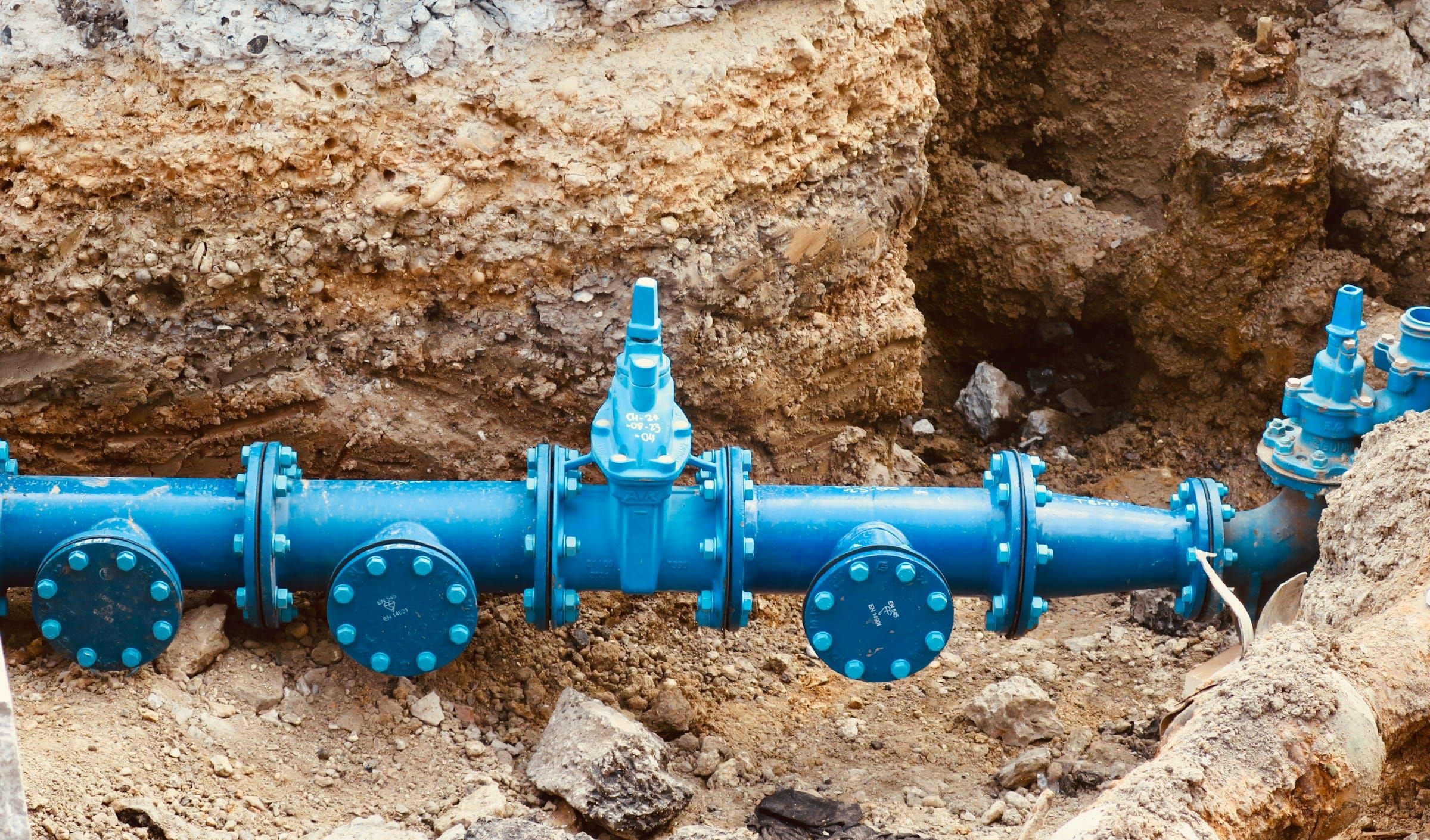
PMC coordinates HVAC, plumbing, controls, and refrigeration where those systems intersect. Refrigerant and condensate routes, domestic hot water, sanitary and indirect waste, kitchen and building ventilation, electrical connections, sensors, and equipment placement all compete for physical space. Reviewing them together during preconstruction makes responsibilities and field conflicts easier to manage.
Controls, maintenance, and facility information
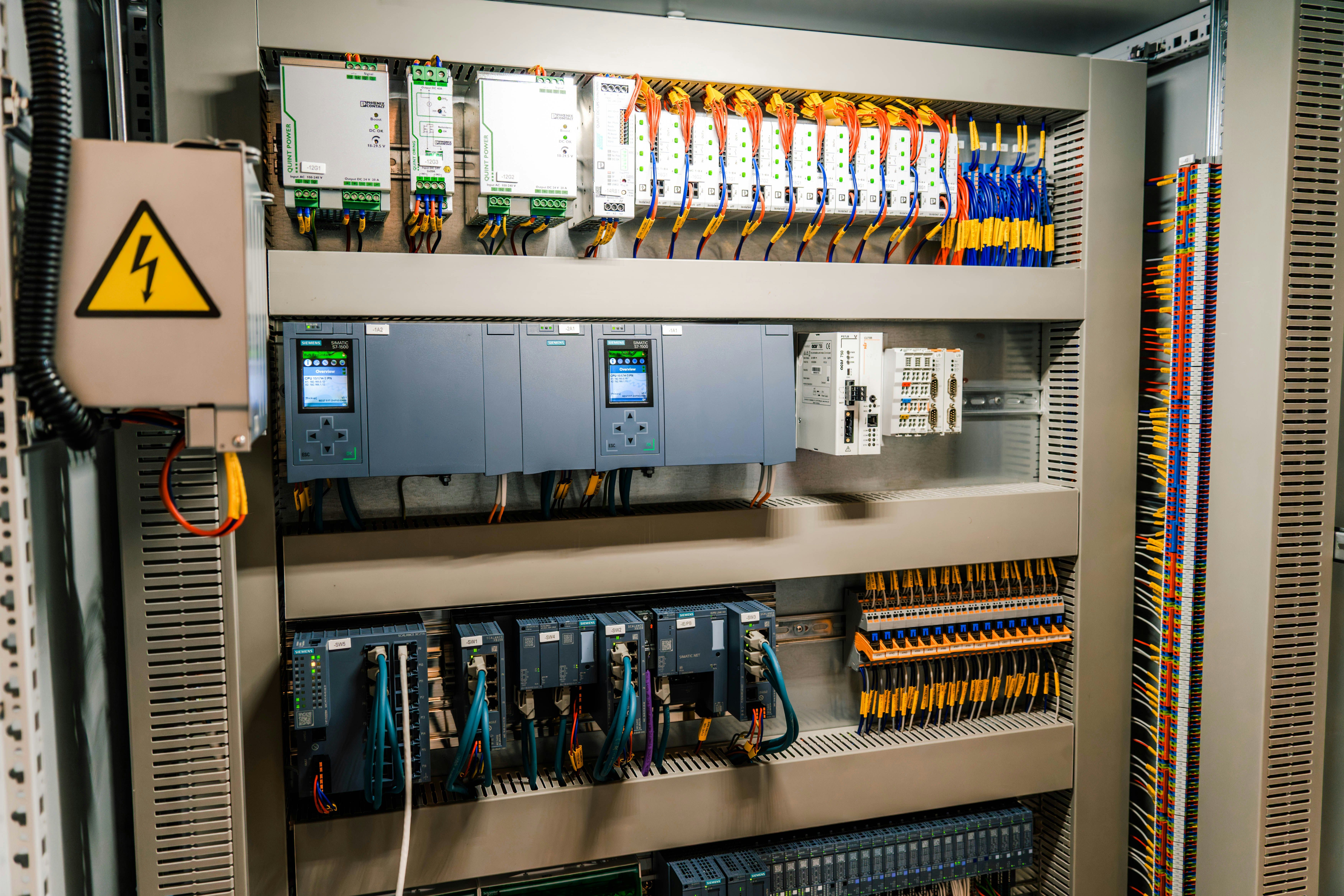
Building automation can help a Rancho Cordova facility manage schedules, setpoints, alarms, trends, and equipment status when the installed systems support those functions. Existing control platforms require review of protocols, proprietary access, field devices, and third-party roles. Control data is useful for troubleshooting, but readings should be checked against actual equipment and room conditions before corrective work is chosen.
Commercial service also benefits from clear records. Equipment lists, maintenance information, drawings, alarm history, and notes about recurring conditions give technicians a stronger starting point. PMC evaluates reported issues and accessible components, communicates findings, and develops repair, replacement, or planned-work options from the evidence available rather than promising a diagnosis in advance.
A project plan grounded in Rancho Cordova
The city’s workforce programs have supported training, certification, mentoring, and placement in technology, manufacturing, construction, and other fields. That emphasis reinforces Rancho Cordova’s identity as a place where complex commercial activity and the people who support it are concentrated. Mechanical projects should respect both sides of that equation: the technical requirements of the facility and the practical needs of those using it.
For an initial conversation, provide the Rancho Cordova address, facility use, affected systems, project stage, available drawings or equipment information, and known access or shutdown limits. PMC can use those details to identify the next investigation, preconstruction, service, or construction step for the specific property.