Building automation connects mechanical equipment, sensors, controllers, and operator interfaces so facility teams can monitor conditions and manage HVAC operation from a coordinated platform. Peak Mechanical Construction provides commercial controls work for new systems, equipment replacements, renovations, and existing-building upgrades.
Building Automation and Energy Management
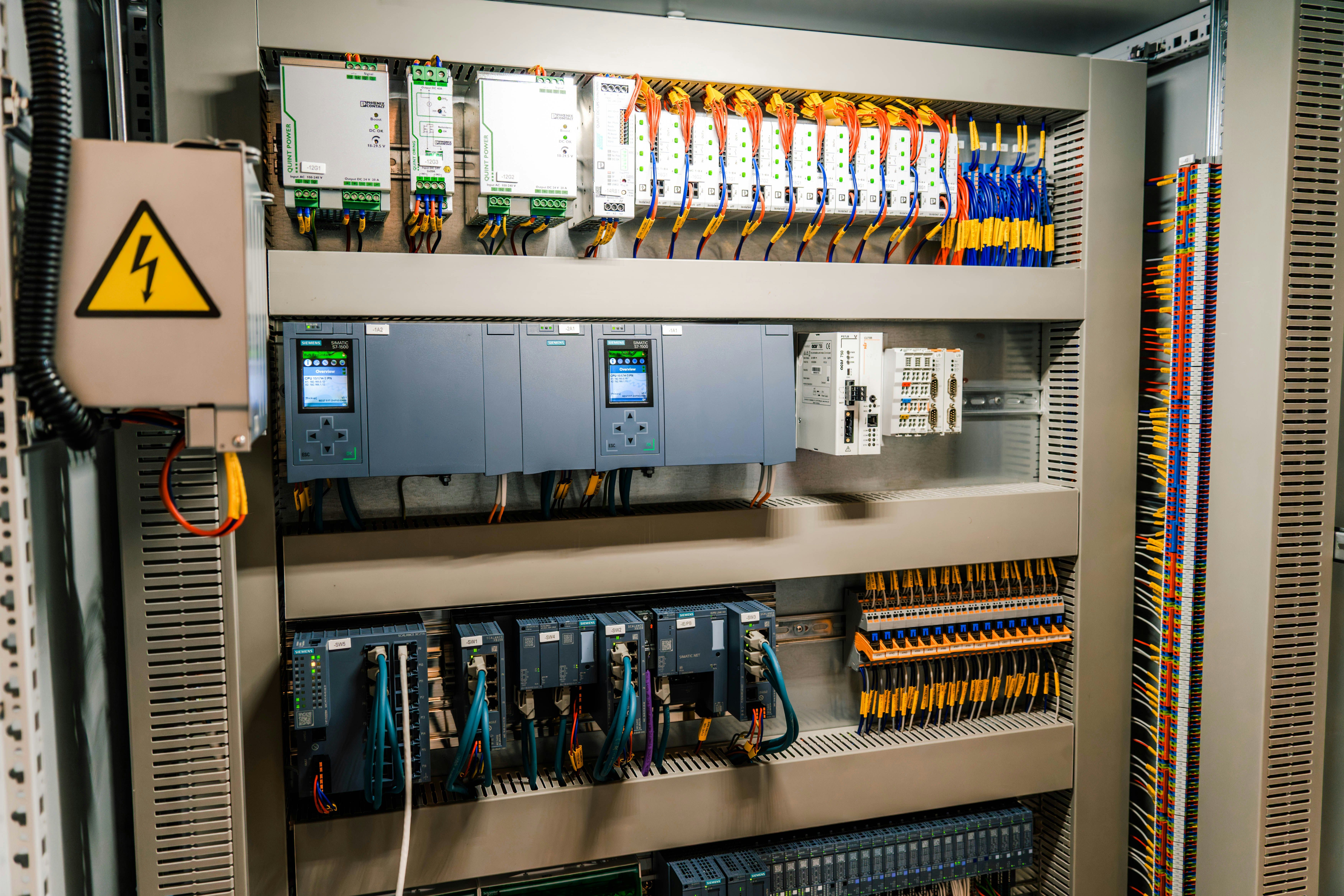
Our controls scope can include direct digital controls (DDC), field devices, control panels, equipment interfaces, networked controllers, sequences, alarms, schedules, and operator graphics. The specific architecture is coordinated with the project requirements and the facility’s installed systems.
Controls projects may use components such as:
- Temperature, humidity, pressure, flow, and occupancy sensors
- Switches, relays, actuators, valves, and variable-frequency-drive interfaces
- Controllers, gateways, meters, and data-logging devices
- Alarms, schedules, trends, setpoints, and operator dashboards
We develop project-specific operator graphics and dashboards around the approved points list and control sequence. Installation, wiring, programming, startup, and functional testing responsibilities are defined for each project and coordinated with the mechanical equipment and other controls providers.
Existing-System Integration
Controls upgrades often need to work with existing equipment, field devices, communication protocols, or front-end platforms. We review available record information and accessible field conditions, then identify integration requirements, limitations, and responsibilities before implementation.
When third-party licensing, factory authorization, or proprietary access is required, those dependencies are identified as part of the project scope.
Systems Commonly Connected to Building Automation
Depending on compatibility and project scope, a BAS may monitor or control systems such as:
- HVAC systems
- Ventilation and air purification systems
- Air handlers
- Boilers, chillers, pumps, fans, and packaged equipment
- Refrigeration or specialty mechanical equipment
- Utility meters and selected third-party system status points
How Facility Teams Use a BAS
A well-defined controls system gives different stakeholders access to the information and functions relevant to their work:
Facility managers can review alarms, schedules, setpoints, trends, and equipment status while investigating comfort or operating issues.
Owners and operators can use documented trend data to inform maintenance, operational changes, and future capital planning.
Property managers can coordinate schedules and temperature expectations across occupied areas while directing technical issues to facility personnel or service providers.
Controls Planning and Modernization
The starting point may be a new controls platform, an equipment-specific upgrade, or an aging system with incomplete documentation. PMC works with the facility and project team to define current conditions, desired operator functions, integration needs, and a practical implementation sequence. Contact us to discuss a commercial building automation or controls project.
Target Markets
- Commercial
- Industrial
- Education
- Government
- Healthcare
- Retail
- Entertainment
- Hospitality