Downtown Lincoln, California commercial district

Custom Mechanical Solutions in Lincoln, CA

Custom mechanical systems for unusual process, space, integration, and phasing requirements in Lincoln facilities.

Lincoln service overview

Custom Mechanical Solutions planned around Lincoln facilities

Custom mechanical systems for unusual process, space, integration, and phasing requirements in Lincoln facilities.

PMC plans the Custom Mechanical Solutions scope in Lincoln around the building's use, occupied hours, existing equipment, service access, and documented project requirements.

  • Downtown Lincoln retail, restaurant, office, and civic properties
  • Highway 65 commercial centers and expanding employment areas
  • Lincoln Regional Airport and surrounding business-park facilities
Lincoln service guide

Custom Mechanical Solutions in Lincoln, CA

Custom mechanical systems for unusual process, space, integration, and phasing requirements in Lincoln facilities.

Lincoln’s established Downtown buildings, Highway 65 growth areas, and airport business park can produce mechanical requirements that do not fit a standard package. Peak Mechanical Construction develops custom solutions where process conditions, mixed building uses, constrained routes, existing-system interfaces, or phased operations require a project-specific combination of HVAC, plumbing, controls, refrigeration, ventilation, or utility piping.

Airport and business-park applications

Lincoln targets the regional airport and its business park for business attraction and promotes access to Foreign Trade Zone 143. Hangars, shops, warehouses, flex properties, and trade-oriented facilities can combine high-bay areas with offices, equipment rooms, or storage. Mechanical needs are defined from the actual operation: equipment heat, required ventilation, temperature criteria, utility connections, schedules, and service clearances.

PMC works with the owner and appropriate design professionals to translate those documented inputs into an approved and constructible scope. No process requirement is assumed from the location or industry label alone. Vendor data, control interfaces, structural needs, and connection responsibilities are identified before procurement.

Constrained retrofits and hybrid systems

Downtown properties may have limited ceilings, established roof openings, finished spaces, and active neighbors. Highway 65 tenant improvements may combine new systems with base-building equipment. A custom retrofit can use selective replacement, rerouting, new controls, or phased cutovers when a direct one-for-one approach does not address the facility’s needs.

Hybrid scopes require explicit boundaries. PMC coordinates ductwork, piping, drains, equipment supports, electrical interfaces, sensors, alarms, sequences, and startup tasks so each contractor and vendor understands its portion. Removal and delivery paths, temporary conditions, shutdowns, and future maintenance access are considered while options are still being evaluated.

Controls and system verification

Custom mechanical systems often rely on controls to coordinate equipment safely. The approved sequence may include sensors, enables, safeties, setpoints, alarms, or monitoring. Existing platforms are reviewed for protocols, proprietary access, and available points. Functional checks then verify the contracted installation against the approved sequence and identify issues by component or responsibility.

Installation sequence and long-term access

A custom design must fit through the available delivery and removal path and be assembled in a workable order. PMC reviews lifting needs, temporary supports, congested routes, shutdown windows, work-area access, and interfaces that must be completed before another trade closes a wall or ceiling. For active facilities, cutover steps and temporary operating conditions are included in the plan.

Serviceability is part of constructability. Filters, valves, coils, pumps, sensors, control panels, and connection points need usable clearance after adjacent work is finished. A layout that meets performance requirements but blocks routine service creates a preventable operating problem, so maintenance access is reviewed before installation.

Turnover information can document the installed arrangement, equipment data, control sequence, operating limitations, and recommended follow-up. This gives the Lincoln facility team a practical reference for a system that may not resemble a standard packaged installation.

Permitting and a buildable Lincoln plan

Lincoln’s business portal connects commercial permits, utility requests, applications, infrastructure plans, and design standards. A nonstandard system still needs clear documents, assigned engineering and permit roles, inspections, and closeout. PMC coordinates those requirements within its contract.

To begin, provide the Lincoln address, facility and equipment use, performance objective, existing-system information, available drawings, schedule limits, and the reason ordinary options are inadequate. PMC can support field review, alternatives, budgeting, constructability, installation planning, and turnover for a defined custom mechanical project.

Client verticals

Custom Mechanical Solutions for Lincoln Facilities
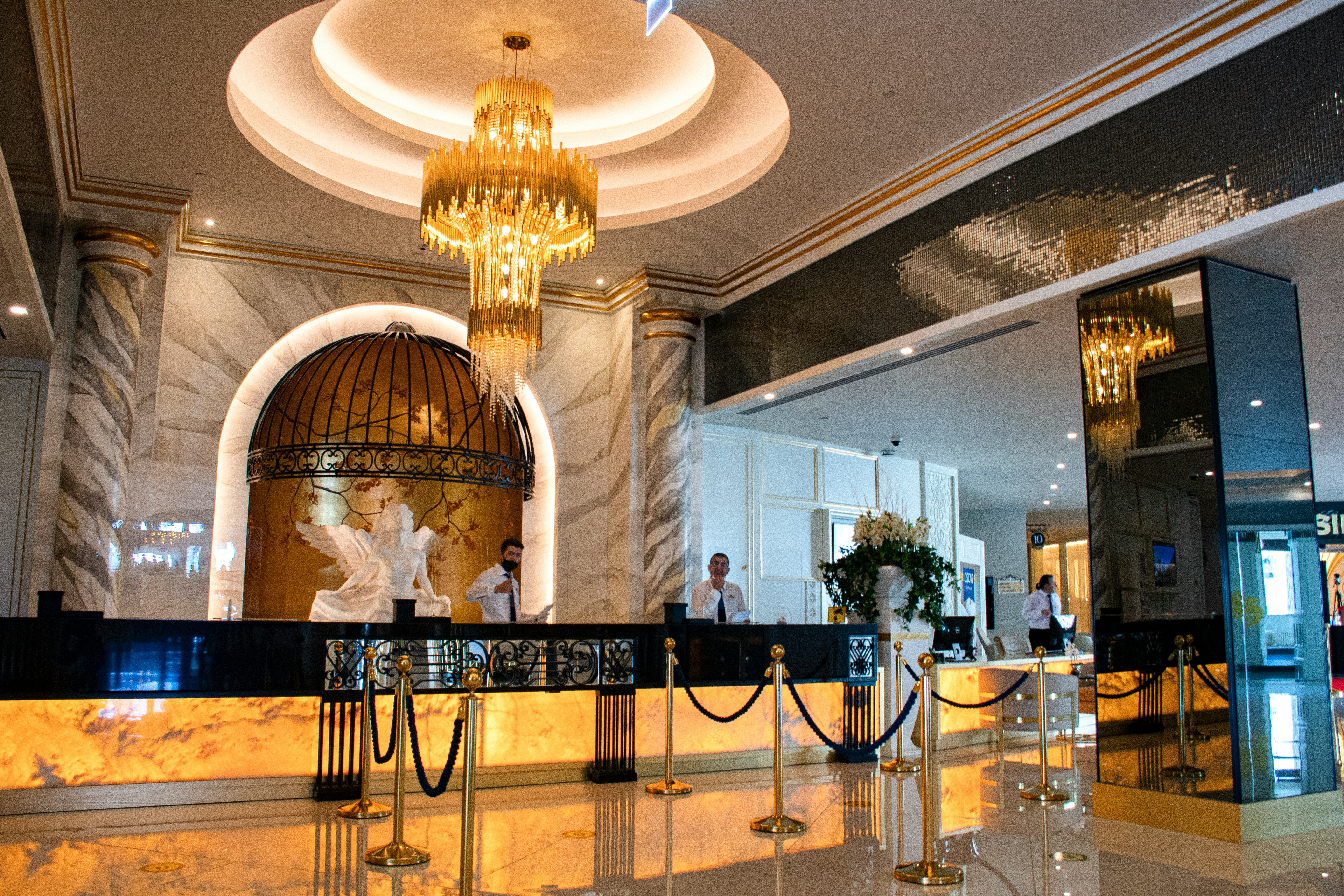
PMC plans custom mechanical solutions work around the operating requirements of Lincoln's commercial, industrial, institutional, and public facilities.

Hover or focus to preview. Select a facility type to open its full Lincoln industry brief.

More PMC Services in Lincoln
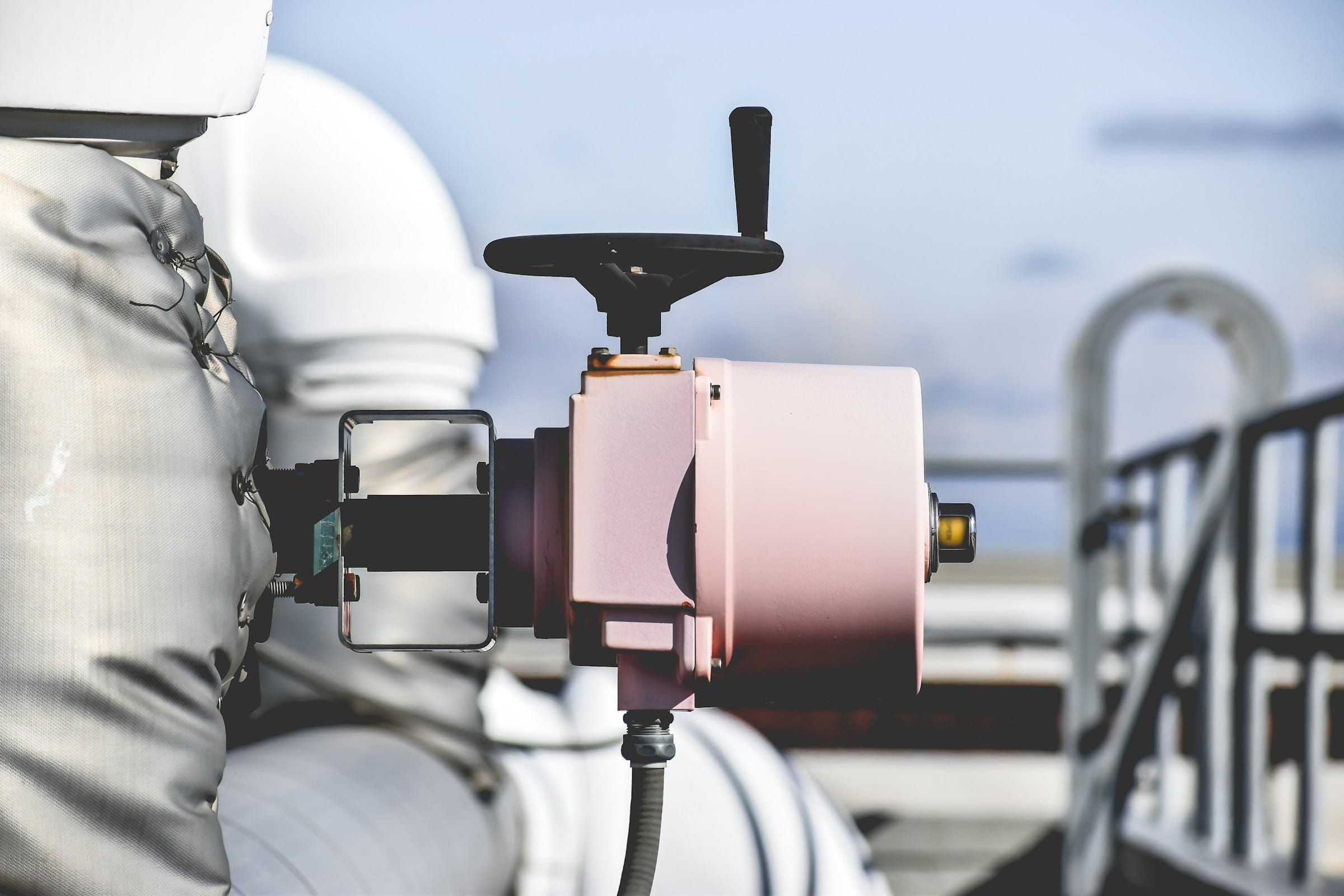
PMC also provides the following commercial mechanical services in Lincoln. Each card opens the matching local service page.

PMC Custom Mechanical Solutions Locations

Lincoln is highlighted below. Choose any city for local custom mechanical solutions information.

PMC Service Area We Service These Cities
Approx. drive time from Auburn

Swipe the route map sideways to follow each corridor

PMC Custom Mechanical Solutions service locations including Lincoln A map of PMC service locations along major Northern California freeways and highways. City marker colors represent approximate travel times from Auburn, with extended service reaching Truckee, Chico, Lodi, and South Lake Tahoe. SIERRA NEVADA SACRAMENTO VALLEY Sacramento River Lake Tahoe Chico: 105–120 min via CA-65 / CA-70 / CA-99 north Chico Oroville: 80–95 min via CA-65 / CA-70 north Oroville Marysville: 50–65 min via CA-65 / CA-70 north Marysville Yuba City: 50–65 min via CA-65 / CA-99 north Yuba City Woodland: 55–70 min via I-5 / CA-113 Woodland Lincoln: 25–35 min via CA-193 / CA-65 Lincoln Nevada City: 35–45 min via CA-49 north Nevada City Grass Valley: 30–40 min via CA-49 north Grass Valley Truckee: 75–95 min via I-80 / Donner Pass Truckee Colfax: 20–25 min via I-80 east Colfax Auburn: Auburn home base via PMC home base P PMC • AUBURN Loomis: 15–20 min via I-80 west Loomis Rocklin: 20–30 min via I-80 west Rocklin Roseville: 25–35 min via I-80 west Roseville Citrus Heights: 35–45 min via I-80 west Citrus Heights Sacramento: 40–55 min via I-80 west Sacramento West Sacramento: 45–60 min via I-80 west West Sacramento Davis: 55–70 min via I-80 west Davis Rancho Cordova: 45–60 min via I-80 / US-50 Rancho Cordova Granite Bay: 25–35 min via Auburn–Folsom Road Granite Bay Folsom: 35–45 min via Auburn–Folsom Road Folsom El Dorado Hills: 40–50 min via Auburn–Folsom Road / US-50 El Dorado Hills Cameron Park: 50–60 min via US-50 east Cameron Park Placerville: 45–60 min via CA-49 south Placerville Elk Grove: 60–75 min via I-80 / CA-99 south Elk Grove South Lake Tahoe: 120–150 min via CA-49 / US-50 — weather dependent. Contact PMC to confirm scheduling. South Lake Tahoe Lodi: 70–90 min via I-80 / CA-99 south. Lodi
City details Lincoln, CA 25–35 min CA-193 / CA-65
Nearby
15–35 min
Regional
30–65 min
Extended
55–95 min
Scheduled
90+ min