Downtown Lincoln, California commercial district

Commercial Mechanical Contractor in Lincoln, CA

Commercial HVAC, controls, plumbing, refrigeration, project management, and custom mechanical services for Lincoln facilities.

Lincoln Commercial Mechanical Work

Built Around Lincoln Facilities

Commercial HVAC, controls, plumbing, refrigeration, project management, and custom mechanical services for Lincoln facilities.

PMC plans commercial mechanical work around the property’s actual use, occupied hours, existing systems, service access, and project requirements. In Lincoln, that means accounting for the city’s particular mix of commercial, industrial, institutional, and public properties and the operating demands of the specific facility.

Downtown Lincoln retail, restaurant, office, and civic properties

Highway 65 commercial centers and expanding employment areas

Lincoln Regional Airport and surrounding business-park facilities

Lincoln field guide

Commercial Mechanical Planning in Lincoln, CA

A practical overview of Lincoln's business districts, facility types, utilities, approvals, and mechanical project conditions.

Lincoln’s business districts span established Downtown properties, commercial centers along Highway 65, and aviation or light-industrial facilities around Lincoln Regional Airport and its business park. The City is also actively planning for business attraction, private investment, and development. Those settings create distinct mechanical needs: an occupied restaurant or office Downtown does not present the same access, loads, utilities, or construction sequence as a warehouse, hangar-adjacent workspace, or new commercial building in an expanding area.

Peak Mechanical Construction provides commercial HVAC, plumbing, controls, refrigeration, project management, and custom mechanical services with that variety in mind. PMC reviews the facility use, existing systems, planned changes, operating hours, service access, and approved project requirements before recommending the next step. This property-first approach helps distinguish routine service from a replacement, tenant improvement, phased modernization, or fully coordinated construction scope.

Downtown Lincoln businesses and civic properties

Downtown Lincoln includes retail, dining, office, and civic uses within an established street and building pattern. Mechanical work here can involve limited ceiling or roof space, existing utility routes, occupied neighboring areas, and a need to preserve customer or public access. Even a seemingly direct equipment replacement can affect curbs, penetrations, drainage, electrical connections, controls, and future maintenance clearance.

PMC can plan work around open hours, deliveries, staff access, and scheduled public use. For a restaurant or food-service property, HVAC, ventilation interfaces, plumbing, hot water, drainage, and refrigeration may need to be coordinated as one operating system. For an office or civic space, zoning, equipment noise, controls schedules, and staged shutdowns may take priority. The final approach remains tied to field conditions and approved documents rather than assumptions based on the district alone.

Highway 65 commercial growth

Lincoln’s General Plan identifies the Highway 65 corridor as a target for business attraction. Properties along a growing commercial route may include new construction, expansions, tenant buildouts, or equipment upgrades in active centers. These projects benefit from early decisions about equipment locations, utility capacity, roof and site access, controls architecture, plumbing connections, and the sequence of work among trades.

PMC can support planning with constructability review, scope development, procurement input, and field coordination. When a tenant improvement changes the floor plan or occupancy, the mechanical effects may include revised air distribution, new control zones, added fixtures, different hot-water demand, or equipment loads that alter heating and cooling requirements. Reviewing those interfaces before installation gives the owner, designer, and contractor a more reliable picture of cost, schedule, and site impacts.

Lincoln Regional Airport and the business park

The City’s business-attraction strategy also points to Lincoln Regional Airport and the airport business park. Aviation-support, industrial, warehouse, shop, and flex facilities can combine offices with high-bay or equipment areas operating on separate schedules. Mechanical needs may include space heating and cooling, process or equipment ventilation, make-up air, utility piping, plumbing connections, and controls that distinguish occupied rooms from intermittent work zones.

Custom mechanical scopes are developed from documented equipment information, loads, performance criteria, and routing constraints. PMC considers service clearances, lifting and delivery access, structural interfaces, shutdown windows, and coordination with electrical or process vendors. Controls integration can add schedules, sensors, alarms, setpoints, and equipment-status visibility where the selected platform supports those functions.

Development review and commercial project coordination

Lincoln’s Planning Division administers the General Plan, zoning, subdivisions, and environmental review as the community develops. The City’s business portal brings commercial construction, permits, utility requests, development applications, infrastructure plans, and design standards into the wider development process. Those resources help define the review path, but each project still requires clear allocation of permit, engineering, inspection, and construction responsibilities.

PMC coordinates its contracted mechanical work with the owner, design professionals, general contractor, City requirements, and other trades. Early planning can identify which documents are available, what must be submitted, who will request inspections, and how changes discovered in the field will be communicated. For long-lead equipment or phased projects, procurement milestones and temporary operating conditions belong in that conversation from the start.

Business expansion without a one-size-fits-all scope

Lincoln offers property-evaluation and business start, relocation, retention, and expansion assistance, and it promotes access to Foreign Trade Zone 143 as an international-trade resource. These programs signal an active business-development environment, but they do not make every facility mechanically alike. A distribution or trade-oriented building, a Downtown storefront, and a Highway 65 professional office each require their own assessment.

For an initial conversation, facility representatives can provide the Lincoln address, building use, operating schedule, known equipment, project plans if available, and any access or shutdown restrictions. PMC can then help identify a practical next step, from diagnostics or a field survey to budgeting, controls review, custom system planning, or coordinated commercial mechanical construction.

Client verticals

Commercial Facilities We Serve in Lincoln
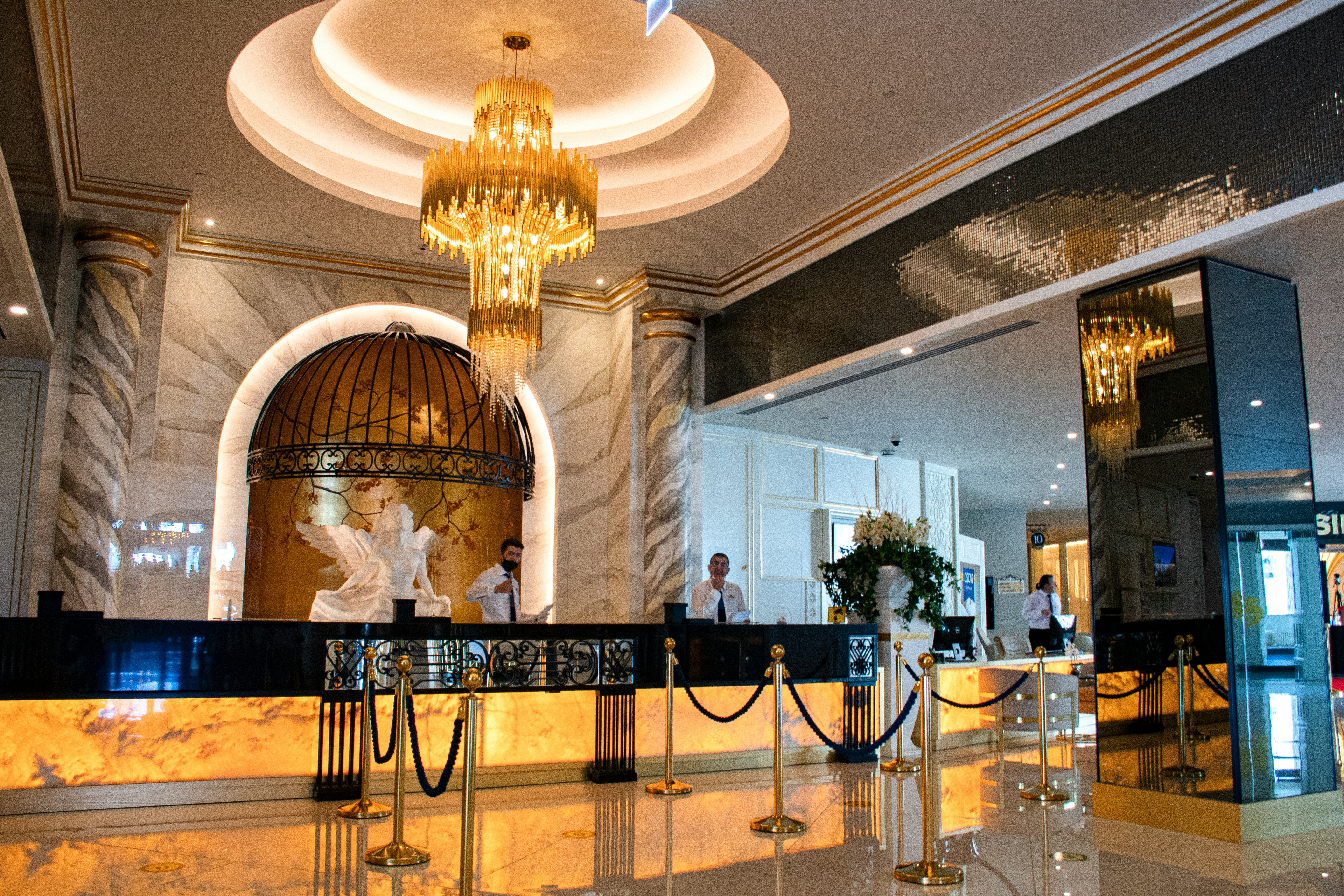
Explore how Lincoln's building types, business districts, operating schedules, and infrastructure shape a practical commercial mechanical scope.

Downtown Commerce & Civic

HVAC, plumbing, refrigeration, controls, and project coordination for Downtown Lincoln businesses and civic facilities.

Read Lincoln industry brief

Highway 65 Commercial

Coordinated mechanical construction for retail, dining, office, and expanding commercial properties along Lincoln's Highway 65 area.

Read Lincoln industry brief

Aviation & Airport Business Park

Custom HVAC, ventilation, plumbing, controls, and project delivery for Lincoln airport-area and aviation-support facilities.

Read Lincoln industry brief

Trade & Industrial

Custom mechanical systems, HVAC, plumbing, controls, and project coordination for Lincoln trade, warehouse, and industrial properties.

Read Lincoln industry brief

Hover or focus to preview. Select a facility type to open its full Lincoln industry brief.

Lincoln industry brief

Mechanical Services for Downtown Lincoln Commerce and Civic Properties

HVAC, plumbing, refrigeration, controls, and project coordination for Downtown Lincoln businesses and civic facilities.

Lincoln’s General Plan identifies Downtown as a focus for business attraction. Its retail, restaurant, office, and civic properties occupy an established setting where commercial mechanical work must account for public hours, existing structure, finished spaces, neighboring operations, and limited equipment routes. PMC develops HVAC, plumbing, refrigeration, controls, and project scope around the actual Downtown building and approved use.

Working within an established commercial space

Existing ceilings, roof openings, water and waste routes, electrical service, and mechanical areas can restrict a retrofit. PMC reviews accessible conditions and identifies what will remain before equipment or piping is selected. Removal and delivery paths, service clearance, temporary shutdowns, noisy work, and protection of public spaces are included in constructability planning.

A tenant improvement can revise partitions, occupancy, air distribution, control zones, fixtures, hot-water demand, and equipment loads at once. Coordinating these changes across mechanical disciplines reduces conflicts and gives the owner and design team a clear picture of required decisions.

Restaurant, office, and civic operating needs

Restaurants can combine dining comfort, kitchen heat, approved ventilation interfaces, domestic hot water, sinks, drainage, equipment connections, and refrigeration. Offices may prioritize quiet HVAC operation and dependable scheduling. Civic properties can include public counters, meeting rooms, staff areas, and restrooms used on different schedules.

PMC plans affected areas, business or public access, inspections, equipment startup, controls checkout, plumbing tests, and return-to-service milestones. Work can be phased where system boundaries allow. Equipment and controls criteria follow approved documents instead of assumptions based on the building’s label.

Lincoln development review and handoff

The Planning Division administers the General Plan, zoning, subdivisions, and environmental review. Lincoln’s business portal groups commercial permits, utility requests, applications, infrastructure plans, and design standards. PMC coordinates its contracted submittals and inspections with that process, the owner, design professionals, and other contractors.

A useful starting package includes the Downtown Lincoln address, tenant or facility use, operating hours, equipment information, planned changes, available drawings, and access or shutdown restrictions. The resulting scope stays grounded in the particular property and documents how the installed systems will be tested and turned over.

It also identifies the mechanical decisions that must be resolved before they affect public access, opening dates, neighboring uses, or the wider construction sequence.

Lincoln industry brief

Mechanical Services for Lincoln Highway 65 Commercial Growth

Coordinated mechanical construction for retail, dining, office, and expanding commercial properties along Lincoln's Highway 65 area.

Lincoln directs business attraction toward the Highway 65 corridor and offers property evaluation plus start, relocation, retention, and expansion assistance. Commercial work in this area can include new construction, tenant improvements, equipment replacement, and facility expansion. PMC coordinates mechanical systems around the approved project, tenant operations, site logistics, and long-term service needs rather than treating growth-area buildings as blank slates.

Early coordination for a new or expanding property

Equipment locations, roof and site access, utilities, structural supports, control architecture, plumbing routes, penetrations, and maintenance clearance are easier to address before construction reaches the field. PMC reviews the drawings and vendor information for constructability, identifies mechanical dependencies, and coordinates questions with the owner and appropriate design professionals.

A tenant buildout can change occupancy, walls, HVAC zones, ventilation, fixture demand, and equipment loads. The points list and controls sequence should match the finished layout. Plumbing and HVAC connections are checked against base-building capacity and project documents rather than assumed from an available stub or curb.

Operating commercial centers

Retail, dining, office, and service properties may need construction scheduled around customers, staff, deliveries, and neighboring tenants. Rooftop replacements can require lifting and parking coordination. Plumbing shutdowns may affect shared areas. Controls changes can reach more than one tenant if equipment or networks are common.

PMC identifies isolation boundaries, access routes, temporary impacts, inspections, startup, and turnover milestones before work begins. For phased projects, each usable area can move through testing and handoff without waiting for an unrelated future tenant or building phase.

Lincoln permits and business-development context

The City’s business portal brings commercial construction, permits, utility requests, applications, infrastructure plans, and design standards together. PMC coordinates its contracted mechanical permits and inspections with the wider City process. Business-assistance programs can help the owner navigate development, while mechanical performance and equipment decisions remain tied to approved design and field conditions.

The initial request should include the Lincoln address or site, proposed use, available plans, equipment criteria, schedule, utility information, and operational restrictions. This gives PMC a factual basis for budgeting, constructability, procurement coordination, and a field plan tailored to the Highway 65 property.

The review also makes owner, tenant, designer, vendor, and contractor responsibilities visible before long-lead mechanical equipment or utility work commits the project to a specific arrangement.

Lincoln industry brief

Mechanical Services for Lincoln Aviation and Airport Business-Park Facilities

Custom HVAC, ventilation, plumbing, controls, and project delivery for Lincoln airport-area and aviation-support facilities.

Lincoln Regional Airport and the airport business park are named targets in the City’s business-attraction strategy. Facilities in this area can include hangars, shops, warehouses, flex buildings, attached offices, equipment rooms, and aviation-support spaces. PMC plans mechanical work from the actual facility use and documented equipment needs; an airport address alone does not establish ventilation, process, or temperature requirements.

Mixed high-bay, office, and equipment zones

Large work areas and enclosed offices can have different schedules, heat loads, ventilation, and comfort needs. PMC reviews approved room use, equipment data, utilities, doors and access, service clearances, and control objectives before defining HVAC or custom mechanical scope. Plumbing can include conventional fixtures or connections specifically shown for equipment and operations.

Where a standard package is not suitable, custom planning can coordinate ventilation, heating and cooling, utility piping, controls, drainage, and equipment interfaces. Engineering and performance decisions remain with the appropriate professionals, while PMC focuses on constructability and coordinated installation.

Site logistics and operational continuity

Airport-area work may depend on secure access, large equipment doors, delivery or lifting routes, active work zones, and scheduled shutdowns. PMC identifies staging, removal paths, temporary conditions, and trade sequence before mobilization. Controls may separate office, shop, storage, and equipment schedules when the approved design and installed hardware support them.

For phased work, cutover criteria define which systems remain available and what must be tested before a new stage assumes the load. Vendor startup, point checks, inspections, and turnover are incorporated into the schedule rather than added after installation.

Lincoln project review and development goals

Lincoln’s economic-development mission emphasizes jobs, investment, revenue, and development. The City’s commercial portal combines permits, utility requests, applications, infrastructure plans, and design standards. PMC coordinates its contracted responsibilities with this framework and the broader project team.

A useful request includes the Lincoln airport-area address, building and equipment use, operating schedule, performance objective, available drawings, utility information, and access restrictions. That allows the scope to remain specific, technically defensible, and proportional to the facility’s actual needs.

Early documentation also clarifies which conditions are confirmed in the field and which require owner, designer, utility, or equipment-vendor input before construction can proceed.

Lincoln industry brief

Mechanical Services for Lincoln Trade, Warehouse, and Industrial Facilities

Custom mechanical systems, HVAC, plumbing, controls, and project coordination for Lincoln trade, warehouse, and industrial properties.

Lincoln promotes access to Foreign Trade Zone 143 and targets the Highway 65 corridor, regional airport, and airport business park for business attraction. Trade, warehouse, and industrial properties in these settings can combine storage, equipment areas, shops, loading functions, and offices. PMC develops mechanical scope from documented operations, equipment data, schedules, and approved design rather than assuming every industrial building has the same process needs.

Facility-specific ventilation and utilities

An attached office may use conventional comfort HVAC while a shop or equipment zone needs ventilation, make-up air, temperature control, plumbing, or utility piping defined by the operation. PMC reviews equipment heat, approved air requirements, connection data, utility capacity, clearances, routes, and service expectations with the project team.

Custom mechanical solutions can combine HVAC, ventilation, piping, plumbing, controls, and equipment cooling where ordinary packages do not fit. Interfaces with electrical, structural, process-vendor, and fire-protection work are identified before procurement. Performance and engineering criteria remain with the responsible design professionals.

Controls across mixed operating zones

Warehouse, shop, office, and equipment spaces may follow different schedules. Controls can coordinate specified sensors, equipment enables, setpoints, safeties, alarms, and status information when supported by the selected platform. Existing protocols, licensing, proprietary access, and vendor responsibilities are documented before integration.

Startup planning assigns point checks, equipment checkout, vendor participation, and functional observations. The facility team receives applicable information about the installed sequence and any operating limits rather than an unexplained automation screen.

Constructability within Lincoln’s development process

Lincoln’s Planning Division administers planning, zoning, subdivisions, and environmental review as development proceeds. Industrial construction still depends on address-specific delivery routes, lifting, staging, shutdowns, supports, penetrations, testing, and maintenance access. PMC reviews these conditions while layouts can still change.

A useful starting package identifies the Lincoln site, facility and equipment use, operating schedule, performance objective, available documents, utility requirements, and why a standard solution is insufficient. From there, PMC can support scope development, budgeting, constructability, coordinated installation, testing, and handoff without making unsupported claims about the facility or its trade activity.

That evidence-based process keeps the mechanical work aligned with the actual warehouse, shop, or equipment operation and avoids unnecessary complexity borrowed from unrelated industrial applications.

Commercial Services in Lincoln

Explore PMC's location-specific capabilities for commercial and industrial facilities in Lincoln.

Explore PMC’s Service Area

Lincoln is highlighted below. Choose another city to explore its commercial mechanical services and local project details.

PMC Service Area We Service These Cities
Approx. drive time from Auburn

Swipe the route map sideways to follow each corridor

PMC service area centered on Lincoln A map of PMC service locations along major Northern California freeways and highways. City marker colors represent approximate travel times from Auburn, with extended service reaching Truckee, Chico, Lodi, and South Lake Tahoe. SIERRA NEVADA SACRAMENTO VALLEY Sacramento River Lake Tahoe Chico: 105–120 min via CA-65 / CA-70 / CA-99 north Chico Oroville: 80–95 min via CA-65 / CA-70 north Oroville Marysville: 50–65 min via CA-65 / CA-70 north Marysville Yuba City: 50–65 min via CA-65 / CA-99 north Yuba City Woodland: 55–70 min via I-5 / CA-113 Woodland Lincoln: 25–35 min via CA-193 / CA-65 Lincoln Nevada City: 35–45 min via CA-49 north Nevada City Grass Valley: 30–40 min via CA-49 north Grass Valley Truckee: 75–95 min via I-80 / Donner Pass Truckee Colfax: 20–25 min via I-80 east Colfax Auburn: Auburn home base via PMC home base P PMC • AUBURN Loomis: 15–20 min via I-80 west Loomis Rocklin: 20–30 min via I-80 west Rocklin Roseville: 25–35 min via I-80 west Roseville Citrus Heights: 35–45 min via I-80 west Citrus Heights Sacramento: 40–55 min via I-80 west Sacramento West Sacramento: 45–60 min via I-80 west West Sacramento Davis: 55–70 min via I-80 west Davis Rancho Cordova: 45–60 min via I-80 / US-50 Rancho Cordova Granite Bay: 25–35 min via Auburn–Folsom Road Granite Bay Folsom: 35–45 min via Auburn–Folsom Road Folsom El Dorado Hills: 40–50 min via Auburn–Folsom Road / US-50 El Dorado Hills Cameron Park: 50–60 min via US-50 east Cameron Park Placerville: 45–60 min via CA-49 south Placerville Elk Grove: 60–75 min via I-80 / CA-99 south Elk Grove South Lake Tahoe: 120–150 min via CA-49 / US-50 — weather dependent. Contact PMC to confirm scheduling. South Lake Tahoe Lodi: 70–90 min via I-80 / CA-99 south. Lodi
City details Lincoln, CA 25–35 min CA-193 / CA-65
Nearby
15–35 min
Regional
30–65 min
Extended
55–95 min
Scheduled
90+ min

Nearby Cities We Serve