
Commercial Mechanical Contractor in Lincoln, CA
Across Downtown Lincoln, the Highway 65 corridor, Lincoln Regional Airport, and the nearby airport business park, PMC coordinates commercial mechanical work.
Lincoln Commercial Mechanical Work
Built Around Lincoln Facilities
Downtown Lincoln retail, restaurant, office, and civic properties
Highway 65 commercial centers and expanding employment areas
Lincoln Regional Airport and surrounding business-park facilities
Commercial Facilities We Serve in Lincoln
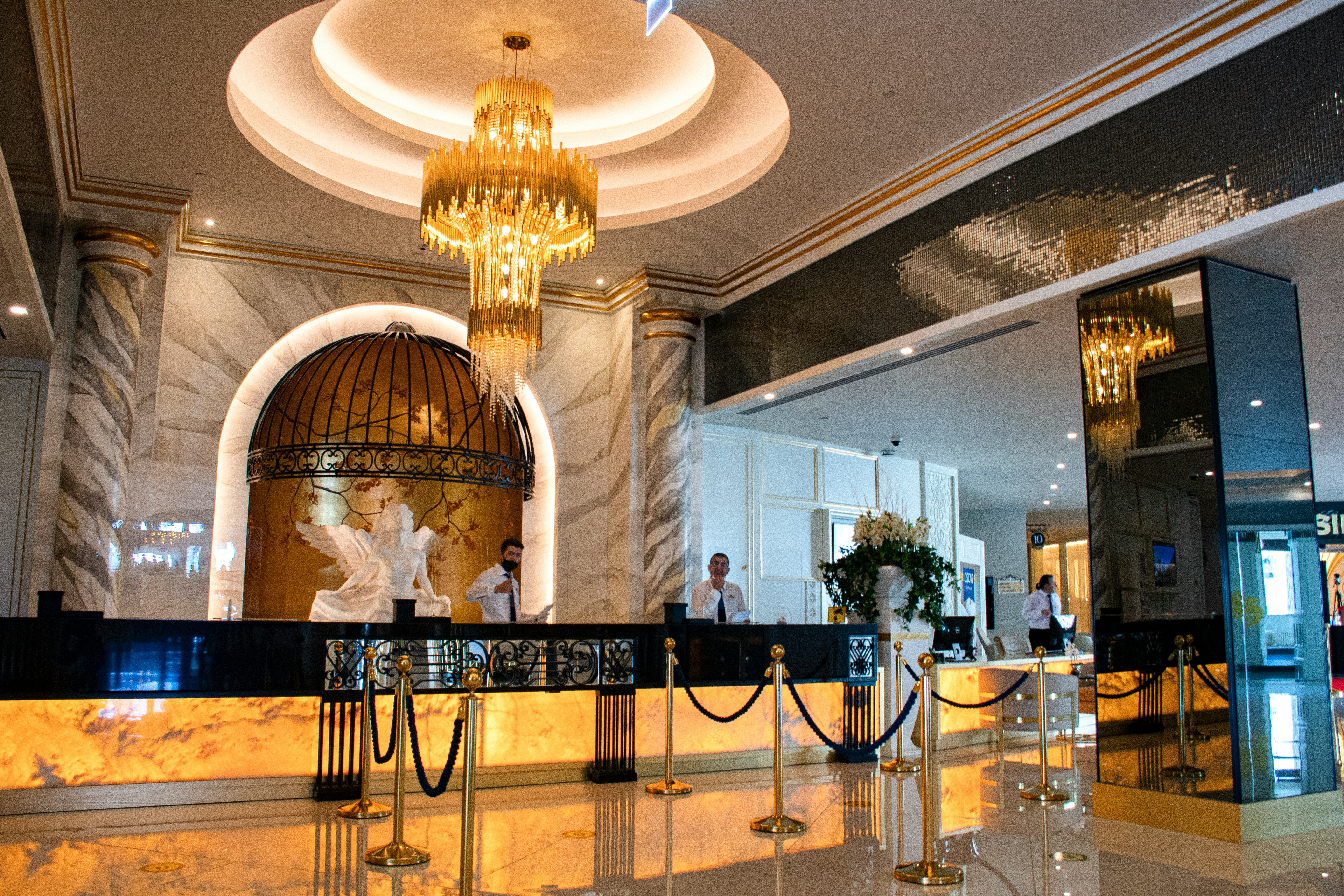
Downtown Commerce & Civic
Downtown Lincoln businesses and civic properties need mechanical retrofits planned around established structures, public hours, finished spaces, and limited equipment routes.
Read Lincoln industry brief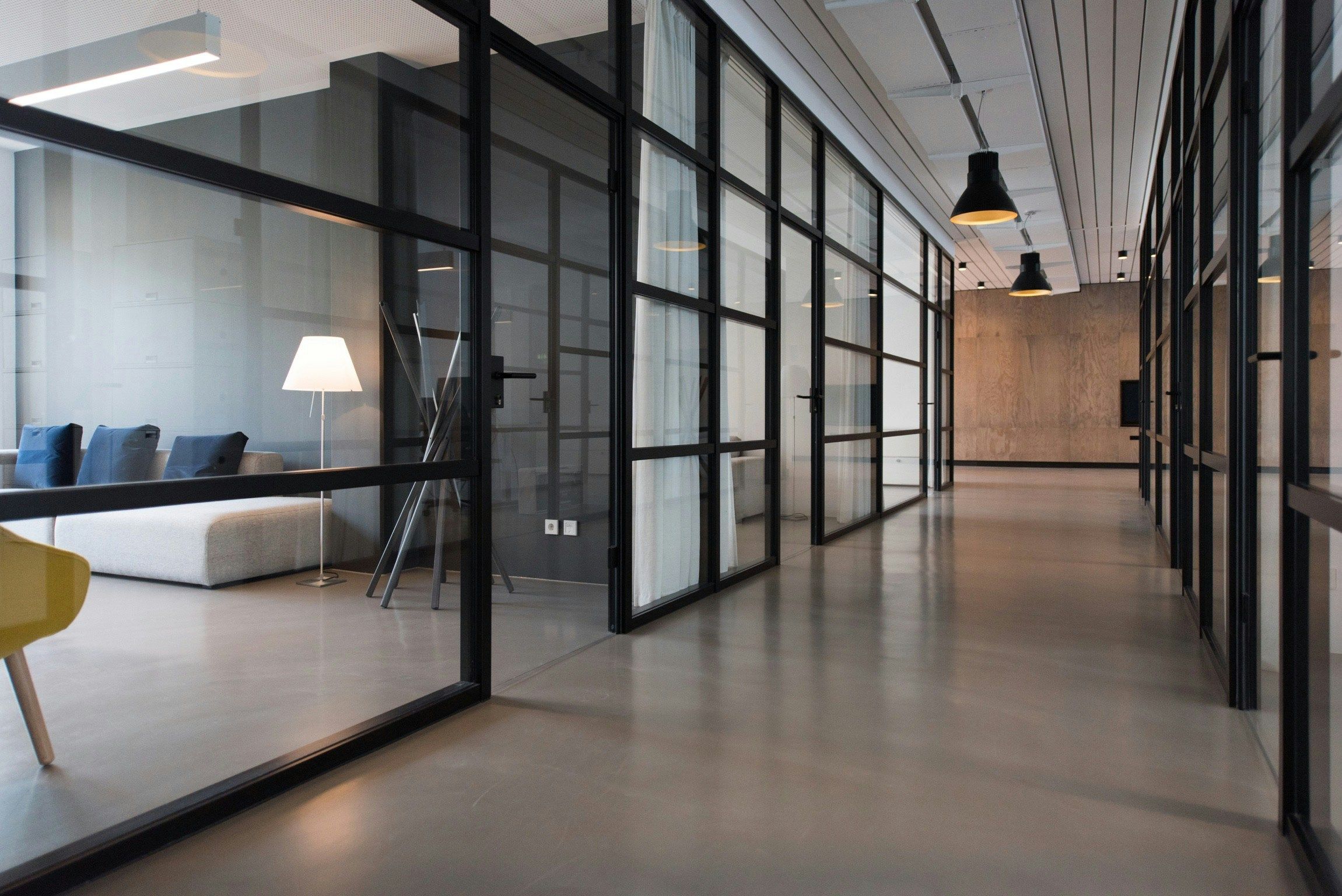
Highway 65 Commercial
Highway 65 growth brings new construction, tenant improvements, replacements, and expansions that need early mechanical coordination around operations and future service.
Read Lincoln industry brief
Aviation & Airport Business Park
At Lincoln Regional Airport and the nearby airport business park, hangars, shops, and offices need mechanical systems planned around high-bay loads, site-specific access rules, equipment doors, and staged shutdowns.
Read Lincoln industry brief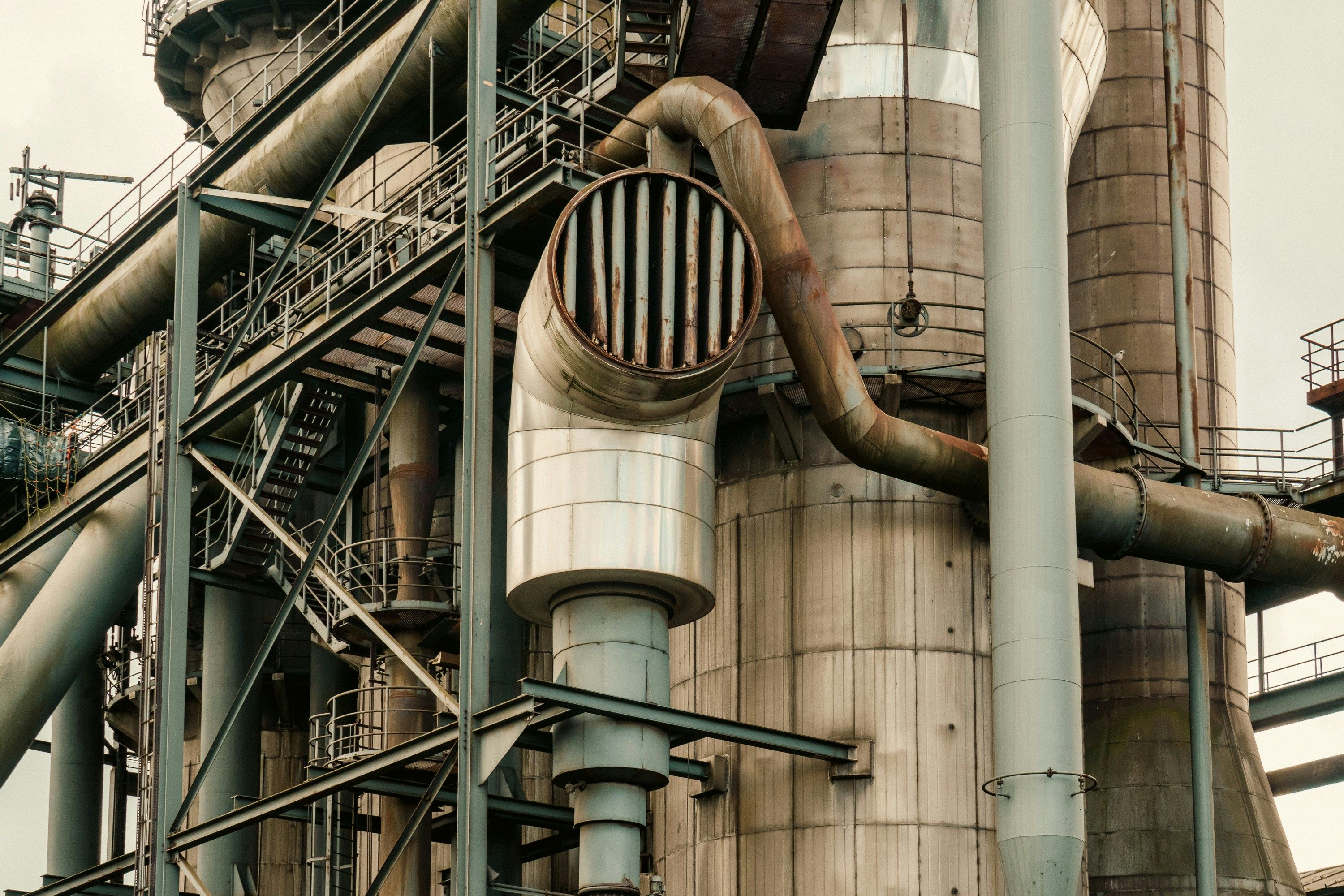
Trade & Industrial
Lincoln's Highway 65, airport, and business-park trade properties need mechanical plans tailored to storage, shops, loading, equipment areas, and conditioned offices.
Read Lincoln industry briefHover or focus to preview. Select a facility type to open its full Lincoln industry brief.
Commercial Services in Lincoln
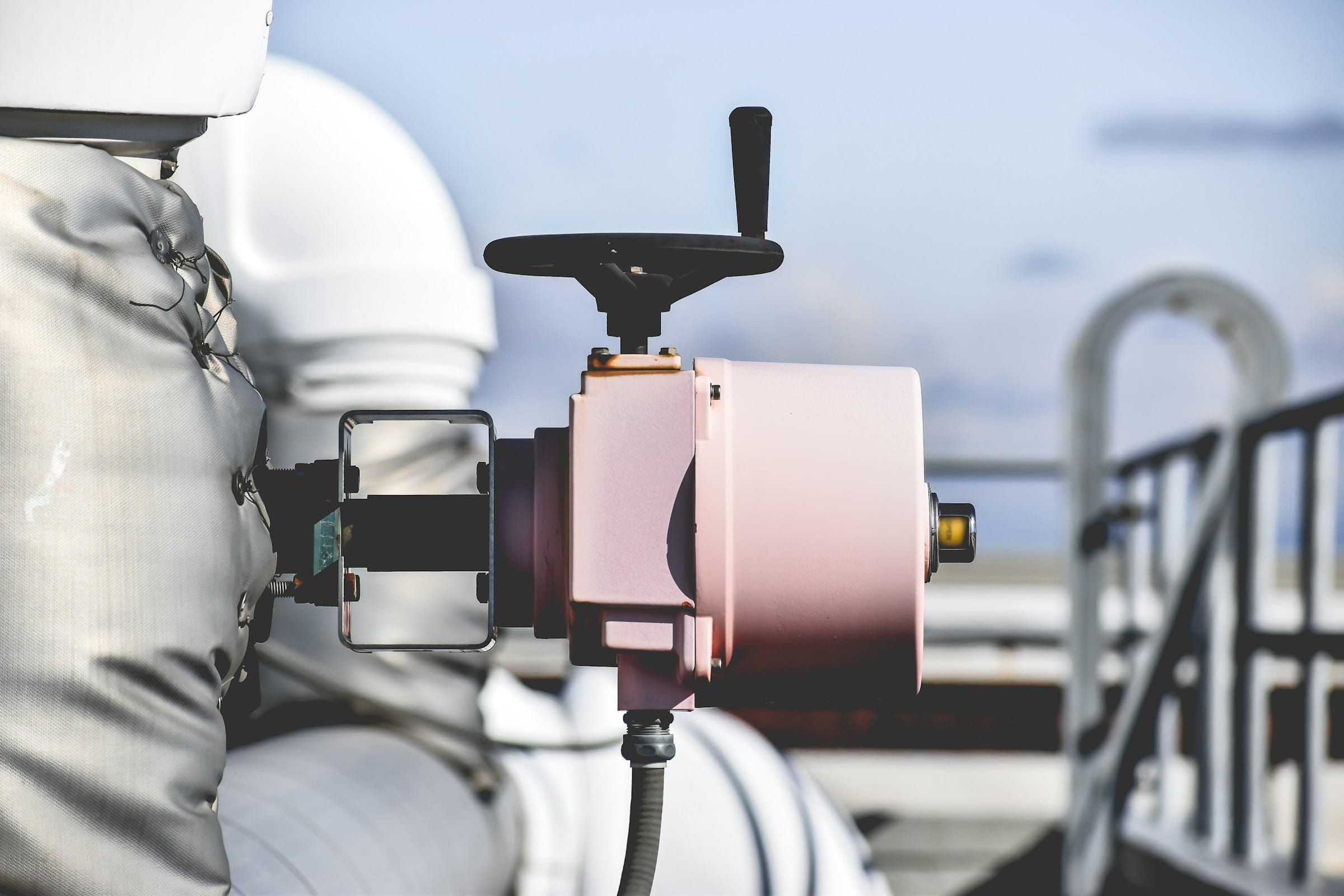
HVAC Services
HVAC construction and service for Downtown Lincoln, Highway 65 commercial centers, and airport business-park facilities with different access and schedules.
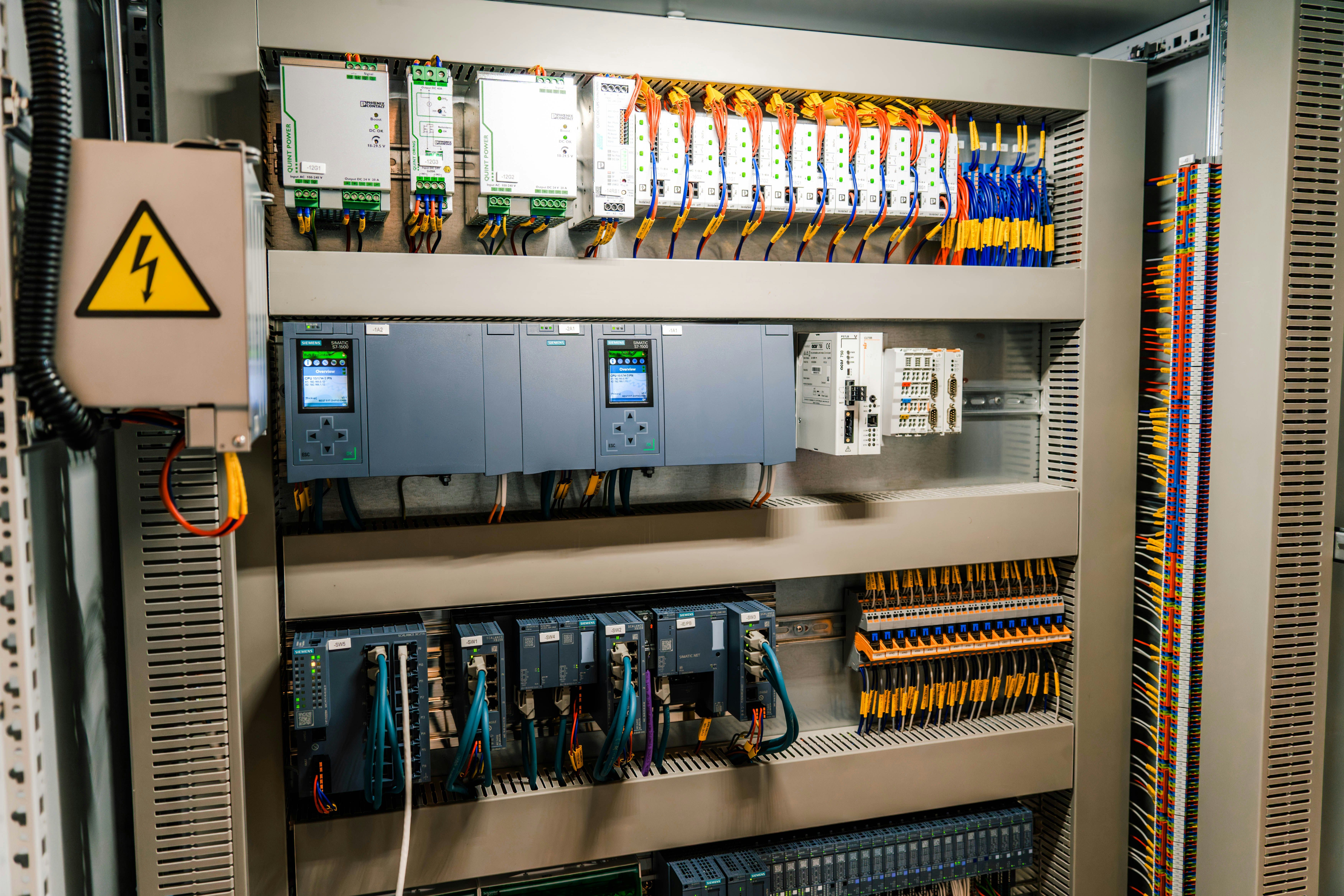
Building Automation & Controls
Downtown Lincoln, Highway 65, and airport business-park properties receive automation matched to their equipment, tenant hours, and growth plans.
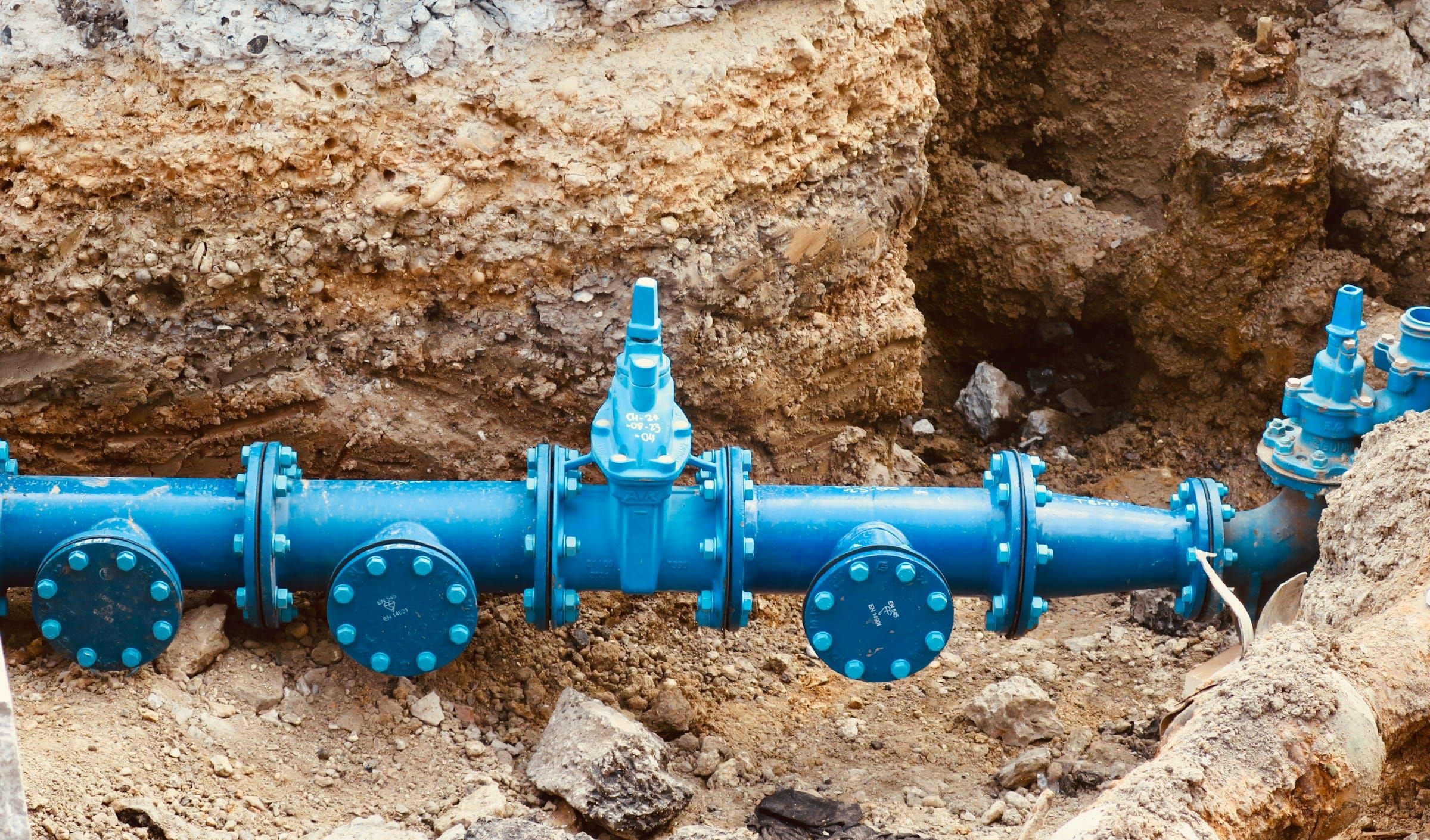
Plumbing Services
Downtown businesses, Highway 65 properties, Lincoln Regional Airport, and the airport business park receive site-specific commercial plumbing support from PMC.
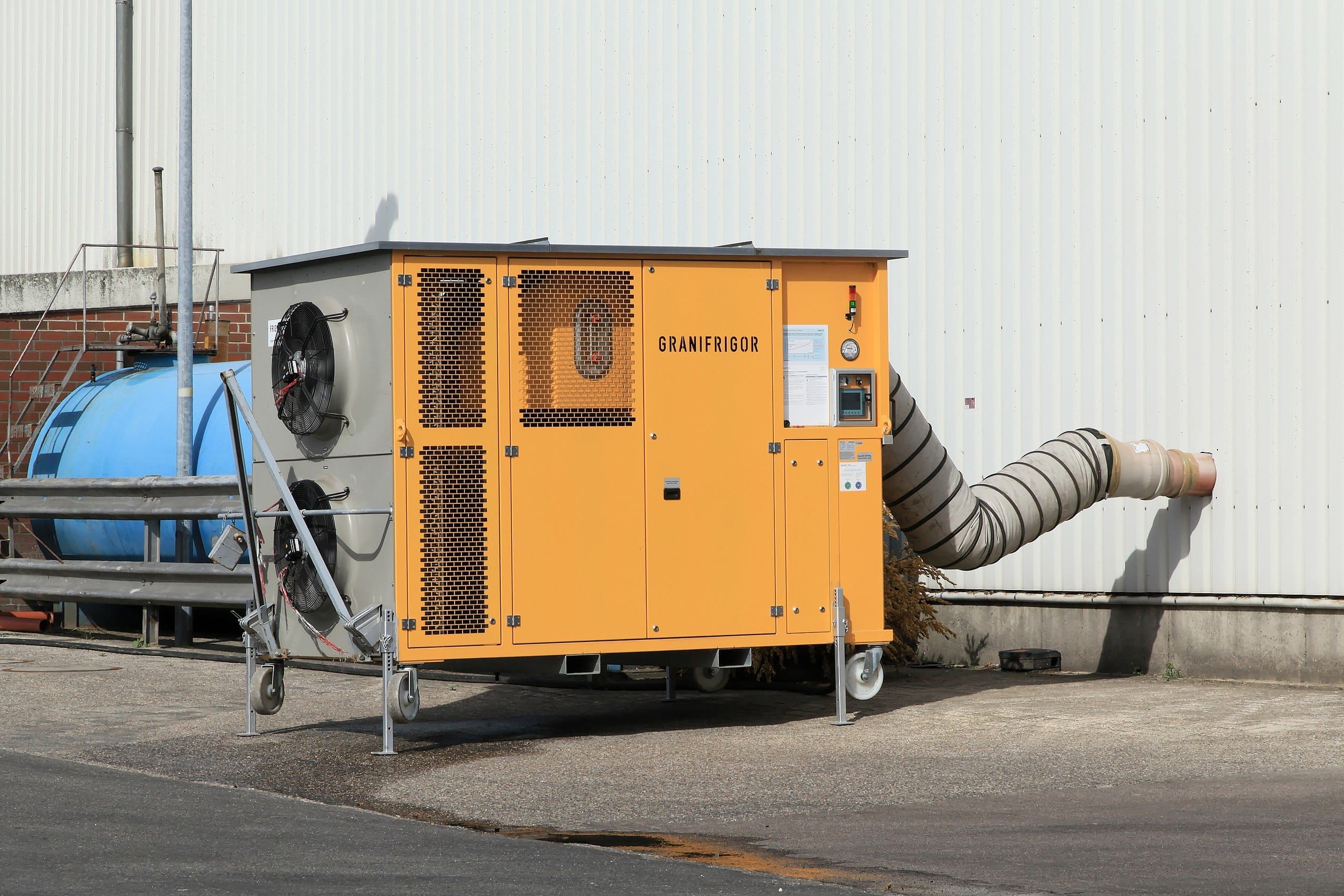
Refrigeration & Cold Storage
Downtown Lincoln food service, Highway 65 retail, and airport business-park operations receive refrigeration plans tied to product, hours, access, and alarm response.

Project Management & Consulting
PMC plans for the distinct constraints of Lincoln Regional Airport and the nearby airport business park while coordinating Downtown and Highway 65 mechanical work.
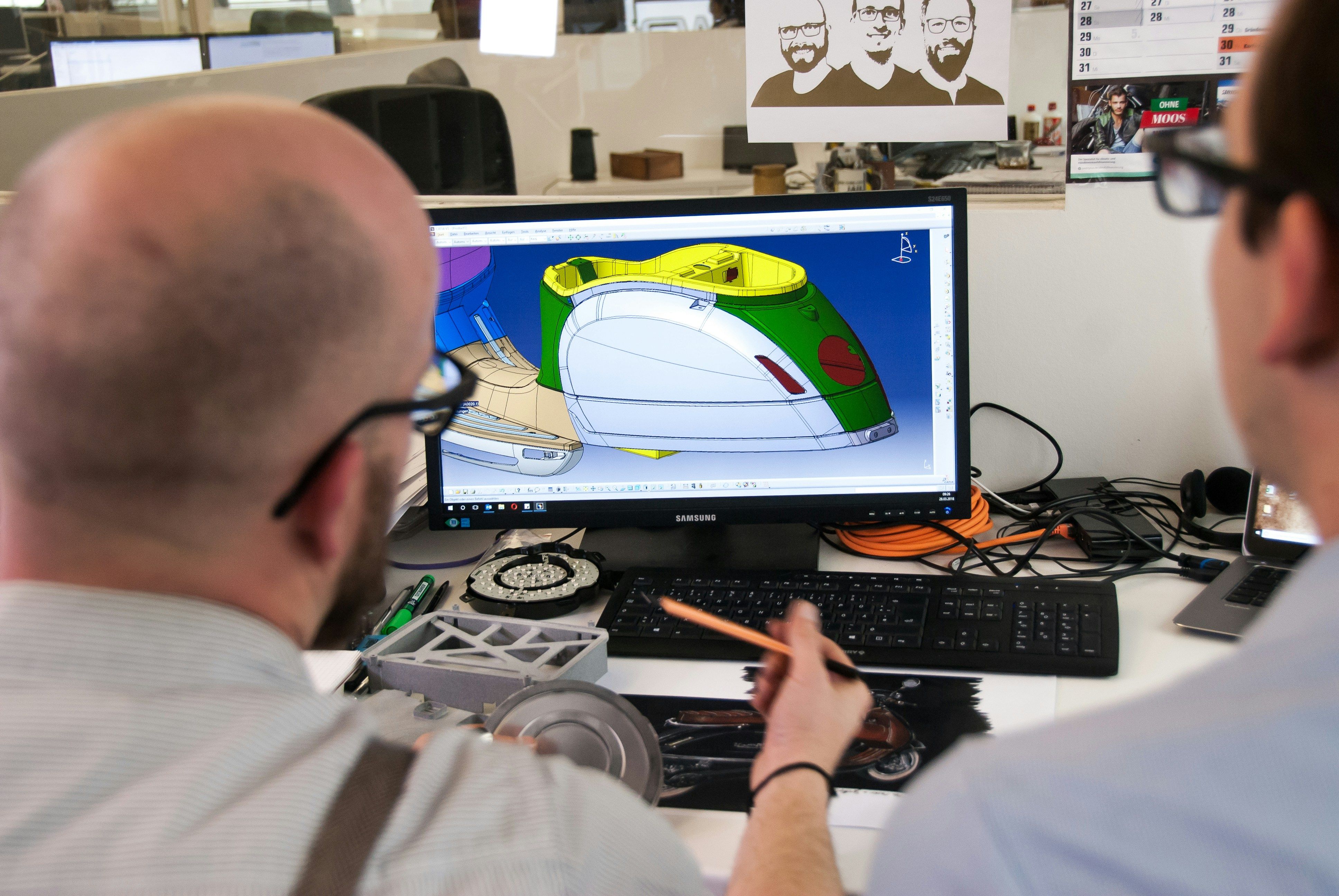
Custom Mechanical Solutions
Lincoln Regional Airport, the nearby airport business park, Highway 65 sites, and Downtown projects may need custom systems when process equipment, tight routes, or phasing demand a tailored build.
Explore PMC’s Service Area
Lincoln is highlighted below. Choose another city to explore its commercial mechanical services and local project details.
Swipe the route map sideways to follow each corridor
15–35 min Regional
30–65 min Extended
55–95 min Scheduled
90+ min