Historic commercial buildings along Broad Street in downtown Nevada City, California

Custom Mechanical Solutions in Nevada City, CA

Custom HVAC, ventilation, piping, controls, cooling, and phased mechanical construction for Nevada City historic, commercial, institutional, and utility facilities.

Nevada City service overview

Custom Mechanical Solutions planned around Nevada City facilities

Custom HVAC, ventilation, piping, controls, cooling, and phased mechanical construction for Nevada City historic, commercial, institutional, and utility facilities.

PMC plans the Custom Mechanical Solutions scope in Nevada City around the building's use, occupied hours, existing equipment, service access, and documented project requirements.

  • Historic downtown retail, restaurants, lodging, cultural venues, and professional offices
  • Seven Hills and other commercial redevelopment or employment sites
  • Civic, county, education, healthcare, and public-utility facilities
Nevada City service guide

Custom Mechanical Solutions in Nevada City, CA

Custom HVAC, ventilation, piping, controls, cooling, and phased mechanical construction for Nevada City historic, commercial, institutional, and utility facilities.

Some Nevada City facilities need more than a direct equipment replacement. Historic structures, unusual room layouts, mixed-use commercial buildings, constrained access, specialized ventilation or cooling, utility piping, and projects that must remain partly operational can all require a custom mechanical approach. Peak Mechanical Construction develops that construction scope from verified conditions and documented performance criteria.

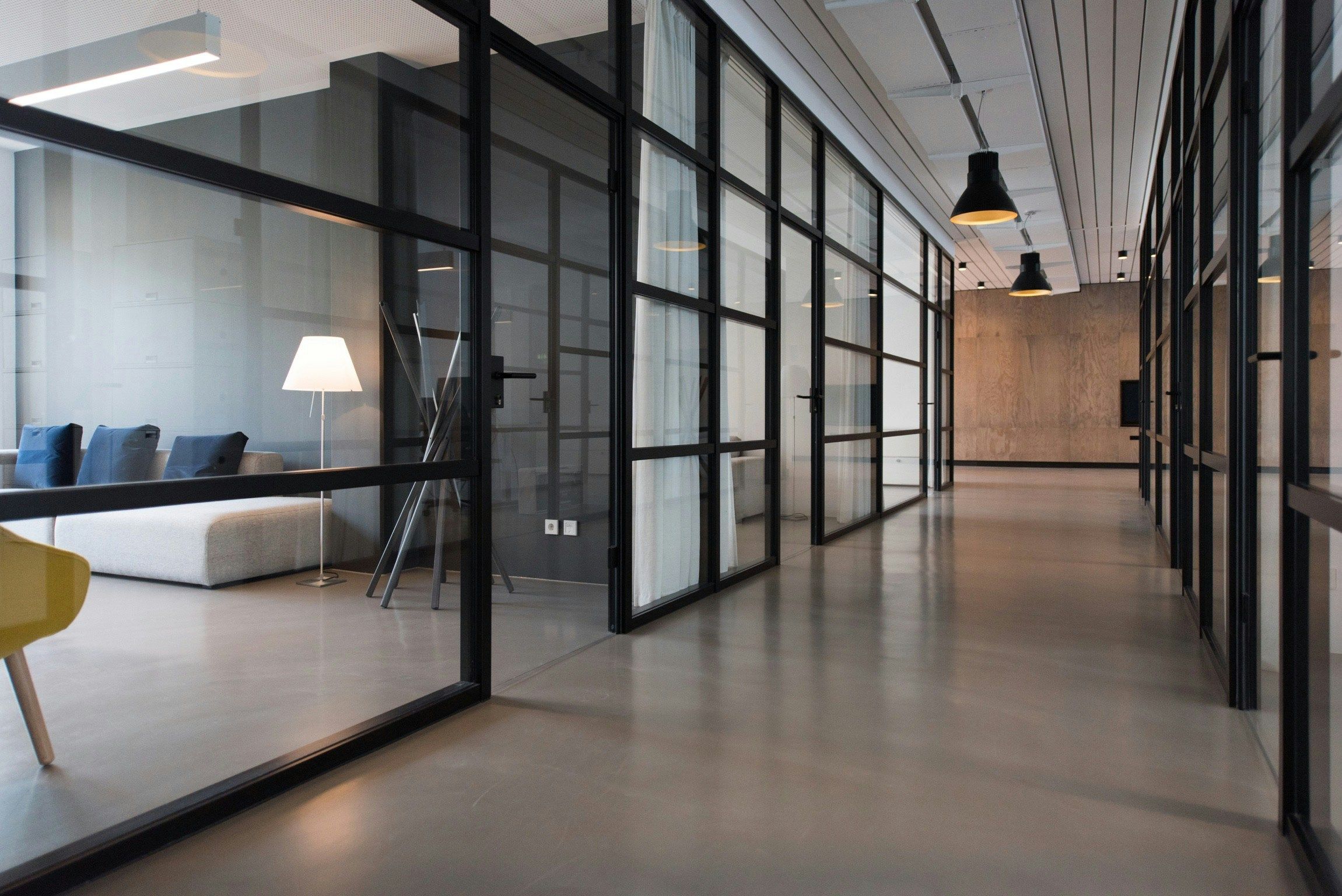
Custom retrofits in historic buildings

The downtown business district contains roughly 93 buildings within a registered historic district. A retrofit may need to preserve finished spaces while finding practical routes for ducts, pipes, drains, wiring, and equipment access. Exterior louvers, penetrations, condenser locations, roof equipment, and screens can also intersect with architectural review.

PMC evaluates accessible routes, equipment dimensions, service clearance, fabrication options, structural and electrical interfaces, controls, delivery, lifting, and future replacement access. The owner, design professionals, and reviewing agencies determine which visible or building-related changes are acceptable. A custom assembly should solve the documented mechanical need without treating preservation or code decisions as field improvisation.

Combining systems around a defined use

A restaurant, cultural venue, lodging property, office, or institutional building may need comfort HVAC, ventilation, plumbing, refrigeration, controls, or equipment-support connections coordinated as one project. Specialized performance—such as exhaust rates, room pressure, process temperature, water quality, drainage characteristics, or redundancy—must come from the responsible owner and designers.

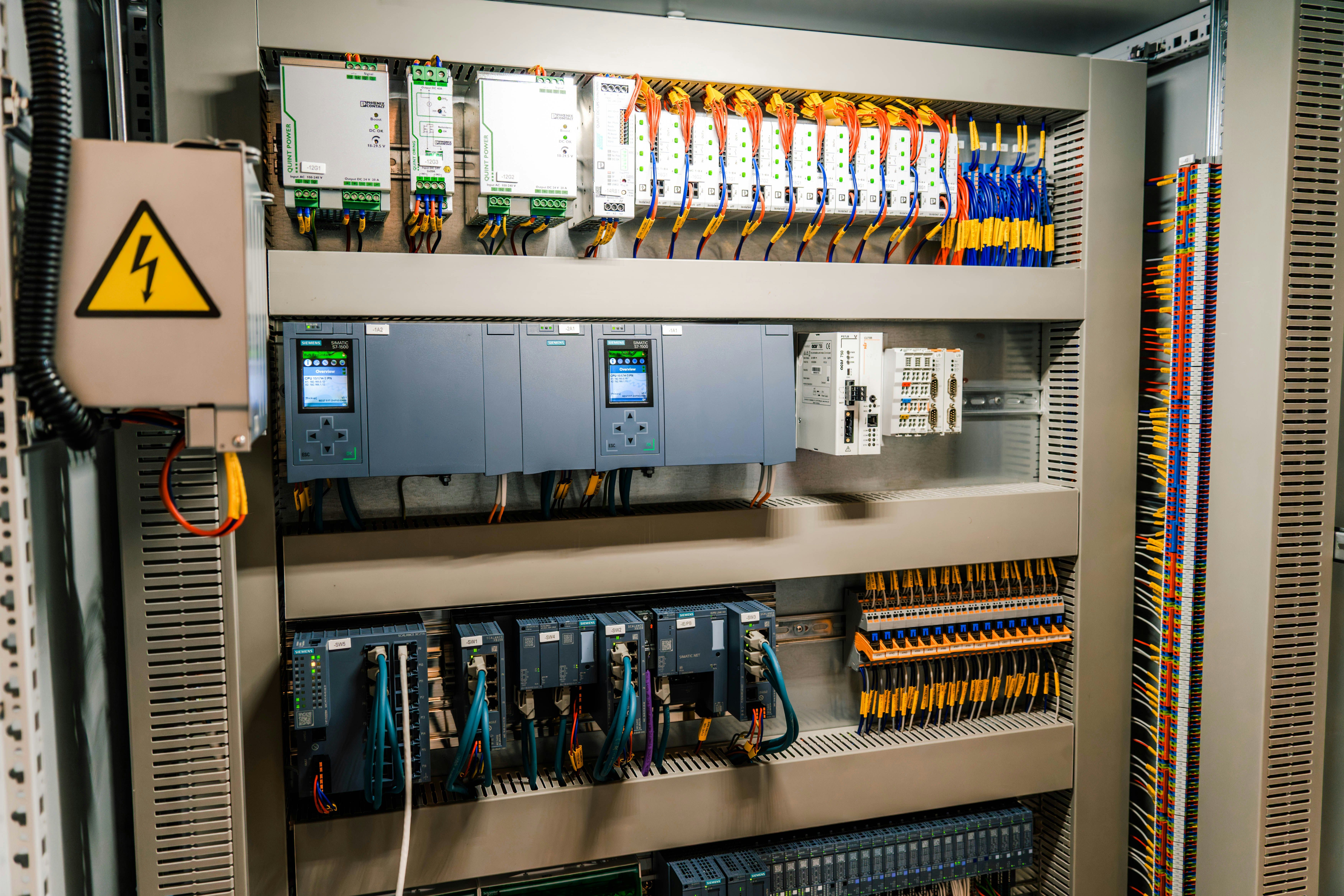
PMC can coordinate approved equipment, piping, ductwork, supports, valves, drains, field devices, control panels, and vendor interfaces within the contracted scope. Proprietary platforms, equipment warranties, professional design, utility approvals, and factory services are identified before work proceeds. The business type is not used to invent a process requirement.

Phasing and maintainability

An established property may have no acceptable full-building outage. Selective reuse, off-hours connections, modular fabrication, temporary conditions, or staged cutovers can be evaluated with the project team. Each phase should identify what remains supported, how isolation is confirmed, who authorizes the change, and what testing permits the next stage.

The completed arrangement also needs a service life. Filters, coils, valves, sensors, panels, cleanouts, drains, and removable parts should remain reachable after ceilings and finishes are installed. Operator needs influence alarm descriptions, setpoints, manual modes, shutdown steps, documentation, and vendor-support information at turnover.

Redevelopment and public infrastructure contexts

Nevada City seeks continued business and walkability investment in the Seven Hills area. Early mechanical planning for a redevelopment property can protect equipment areas, utility routes, service yards, control pathways, and expansion space before the site and building configuration are fixed.

The City also identifies wastewater capital work involving headworks, solids handling, controls, flow equalization, and ultraviolet disinfection. Such infrastructure illustrates a specialized mechanical setting, but its criteria come from the applicable engineering and agency documents. Private-property utility conditions must be checked separately for the address.

For an initial Nevada City review, provide the facility address and use, room-by-room operating criteria, equipment and utility data, available drawings, review status, required milestones, access constraints, shutdown limits, and responsible designers or vendors. PMC can then outline a survey, constructability review, phased concept, or construction proposal grounded in the actual project.

Client verticals

Custom Mechanical Solutions for Nevada City Facilities
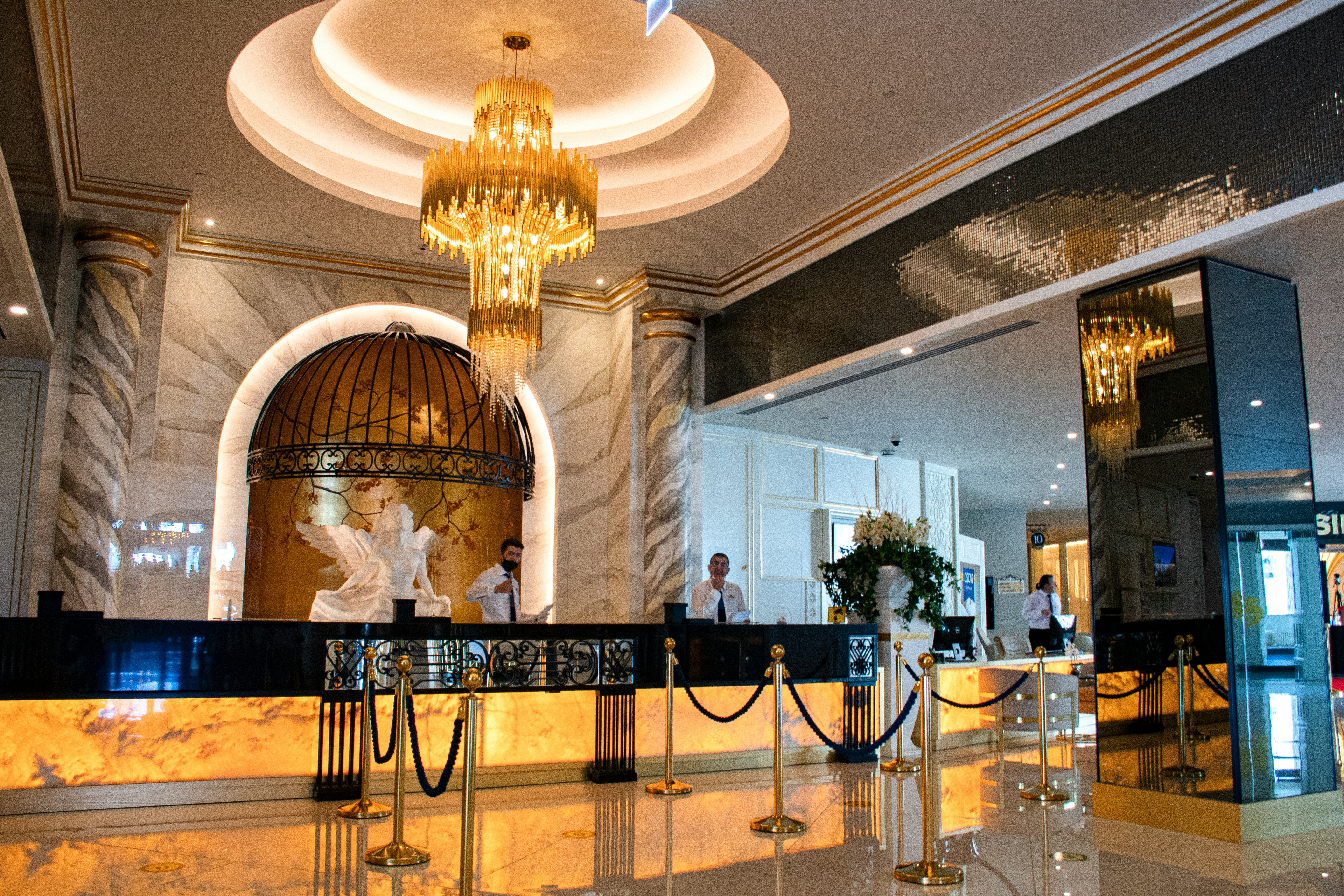
PMC plans custom mechanical solutions work around the operating requirements of Nevada City's commercial, industrial, institutional, and public facilities.

Hover or focus to preview. Select a facility type to open its full Nevada City industry brief.

More PMC Services in Nevada City
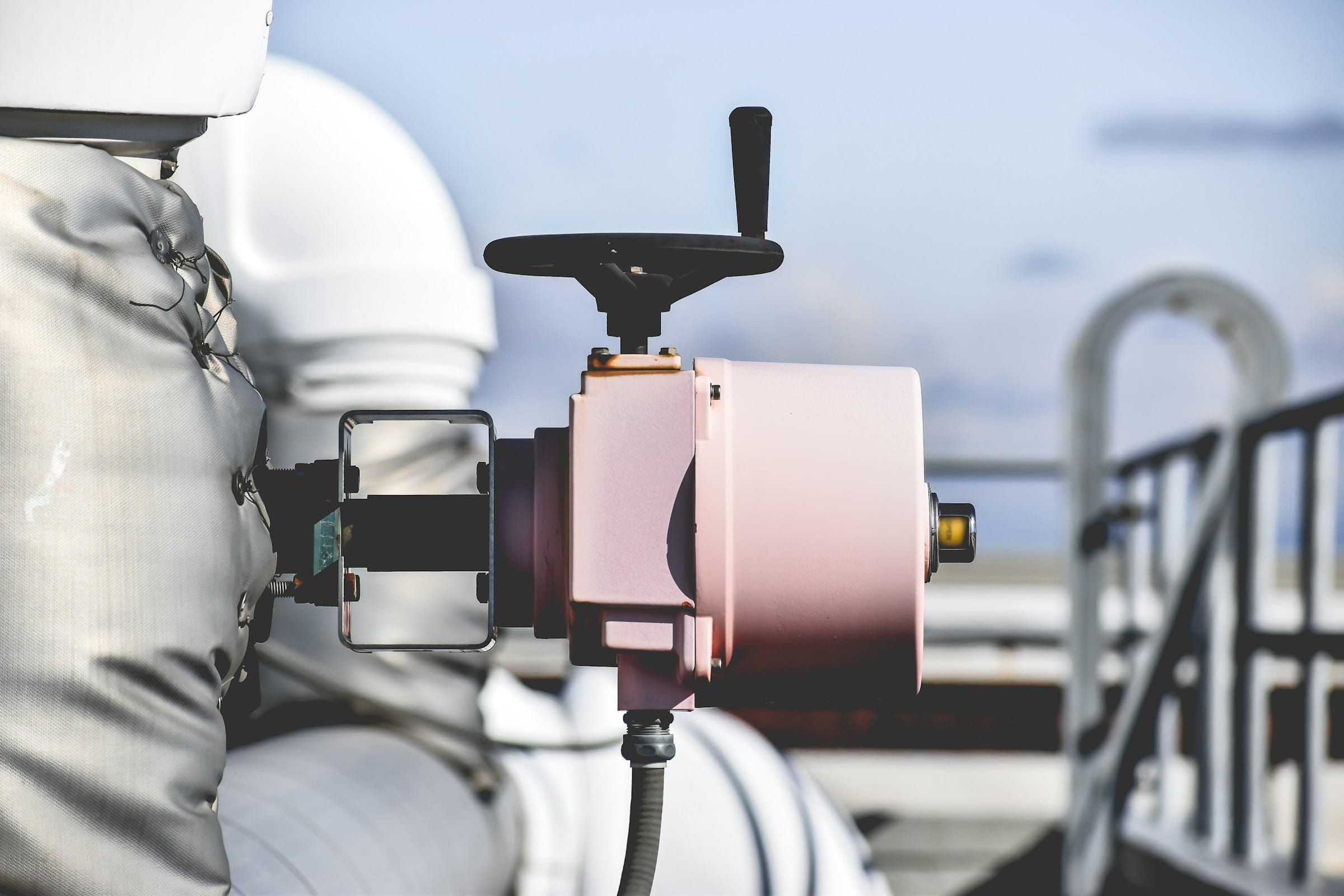
PMC also provides the following commercial mechanical services in Nevada City. Each card opens the matching local service page.

PMC Custom Mechanical Solutions Locations

Nevada City is highlighted below. Choose any city for local custom mechanical solutions information.

PMC Service Area We Service These Cities
Approx. drive time from Auburn

Swipe the route map sideways to follow each corridor

PMC Custom Mechanical Solutions service locations including Nevada City A map of PMC service locations along major Northern California freeways and highways. City marker colors represent approximate travel times from Auburn, with extended service reaching Truckee, Chico, Lodi, and South Lake Tahoe. SIERRA NEVADA SACRAMENTO VALLEY Sacramento River Lake Tahoe Chico: 105–120 min via CA-65 / CA-70 / CA-99 north Chico Oroville: 80–95 min via CA-65 / CA-70 north Oroville Marysville: 50–65 min via CA-65 / CA-70 north Marysville Yuba City: 50–65 min via CA-65 / CA-99 north Yuba City Woodland: 55–70 min via I-5 / CA-113 Woodland Lincoln: 25–35 min via CA-193 / CA-65 Lincoln Nevada City: 35–45 min via CA-49 north Nevada City Grass Valley: 30–40 min via CA-49 north Grass Valley Truckee: 75–95 min via I-80 / Donner Pass Truckee Colfax: 20–25 min via I-80 east Colfax Auburn: Auburn home base via PMC home base P PMC • AUBURN Loomis: 15–20 min via I-80 west Loomis Rocklin: 20–30 min via I-80 west Rocklin Roseville: 25–35 min via I-80 west Roseville Citrus Heights: 35–45 min via I-80 west Citrus Heights Sacramento: 40–55 min via I-80 west Sacramento West Sacramento: 45–60 min via I-80 west West Sacramento Davis: 55–70 min via I-80 west Davis Rancho Cordova: 45–60 min via I-80 / US-50 Rancho Cordova Granite Bay: 25–35 min via Auburn–Folsom Road Granite Bay Folsom: 35–45 min via Auburn–Folsom Road Folsom El Dorado Hills: 40–50 min via Auburn–Folsom Road / US-50 El Dorado Hills Cameron Park: 50–60 min via US-50 east Cameron Park Placerville: 45–60 min via CA-49 south Placerville Elk Grove: 60–75 min via I-80 / CA-99 south Elk Grove South Lake Tahoe: 120–150 min via CA-49 / US-50 — weather dependent. Contact PMC to confirm scheduling. South Lake Tahoe Lodi: 70–90 min via I-80 / CA-99 south. Lodi
City details Nevada City, CA 35–45 min CA-49 north
Nearby
15–35 min
Regional
30–65 min
Extended
55–95 min
Scheduled
90+ min