Commercial district and surrounding hills in Grass Valley, California

Custom Mechanical Solutions in Grass Valley, CA

Custom HVAC, ventilation, piping, controls, cooling, and phased mechanical systems for Grass Valley research, light-industrial, commercial, and institutional facilities.

Grass Valley service overview

Custom Mechanical Solutions planned around Grass Valley facilities

Custom HVAC, ventilation, piping, controls, cooling, and phased mechanical systems for Grass Valley research, light-industrial, commercial, and institutional facilities.

PMC plans the Custom Mechanical Solutions scope in Grass Valley around the building's use, occupied hours, existing equipment, service access, and documented project requirements.

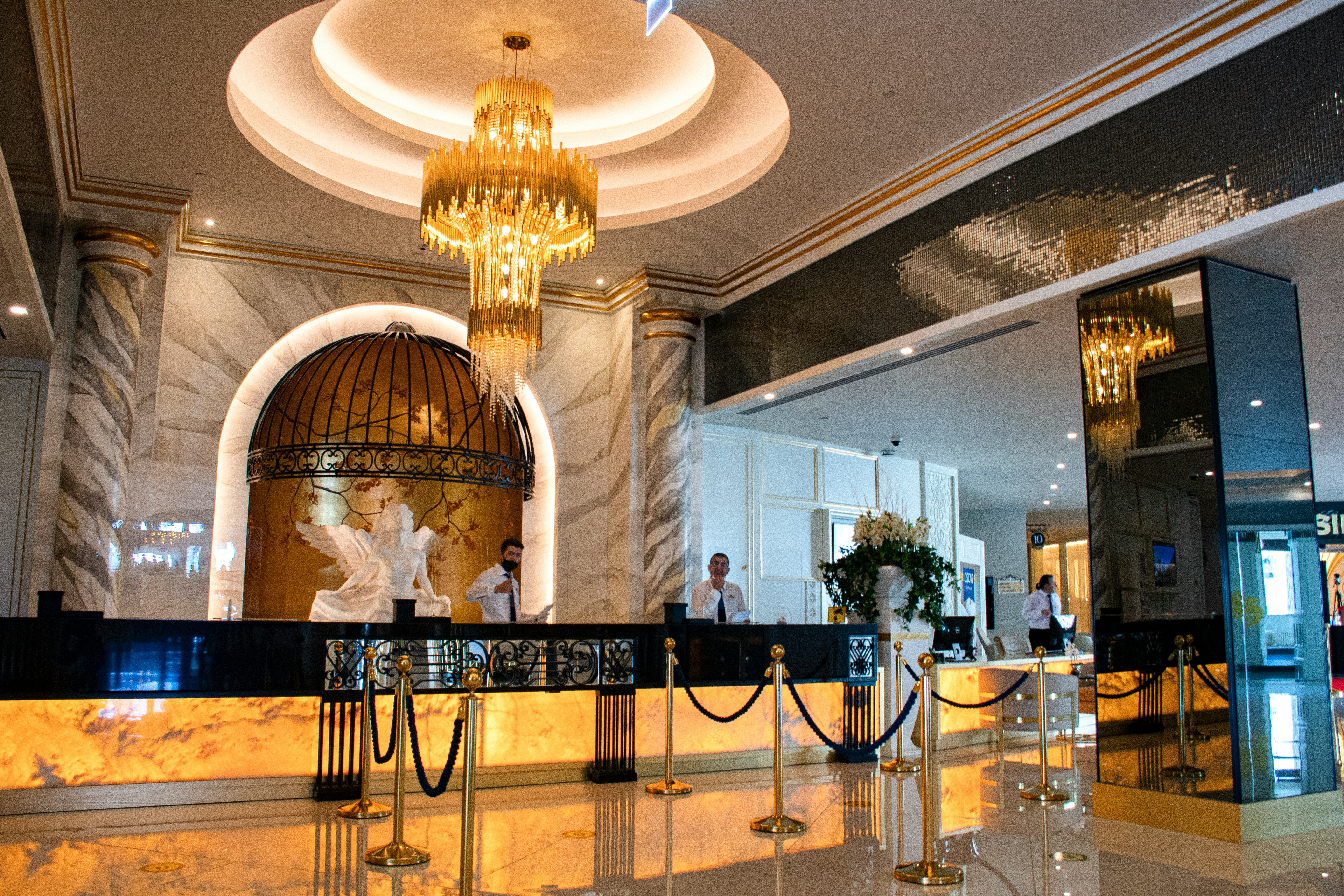
  • Downtown retail, restaurant, hospitality, cultural, and professional-office properties
  • Loma Rica, Whispering Pines, and Litton-area light-industrial, research, and flex facilities
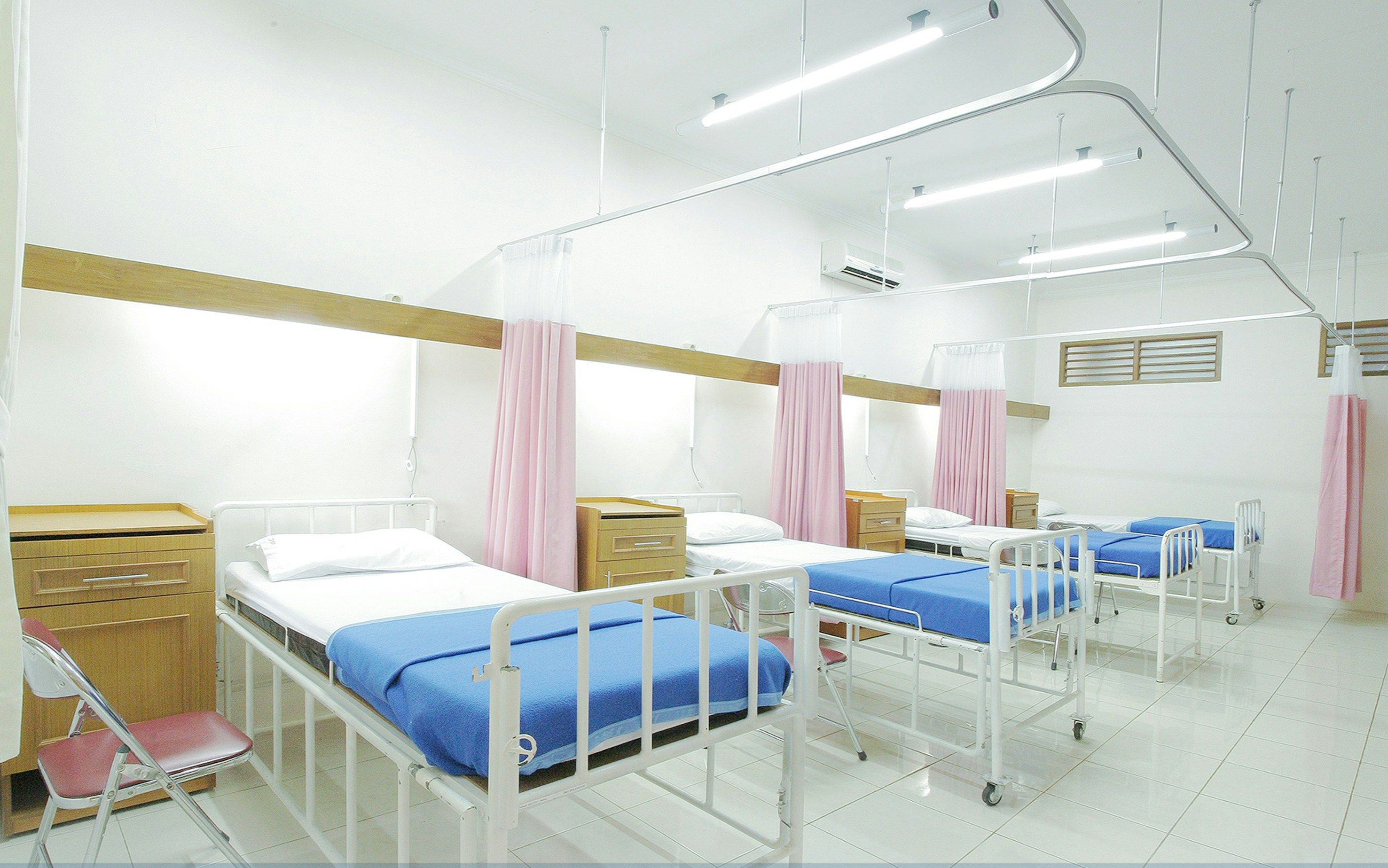
  • Medical, education, civic, and other institutional properties
Grass Valley service guide

Custom Mechanical Solutions in Grass Valley, CA

Custom HVAC, ventilation, piping, controls, cooling, and phased mechanical systems for Grass Valley research, light-industrial, commercial, and institutional facilities.

Some Grass Valley projects require a mechanical approach beyond a standard equipment replacement. Research and light-industrial areas, mixed office-shop buildings, specialized cooling or ventilation, utility piping, constrained existing spaces, and staged renovations can all require custom coordination. Peak Mechanical Construction develops the construction scope from documented operating criteria and verified conditions.

Research and light-industrial applications

Grass Valley planning identifies Whispering Pines and Litton-area parks for light industry and research activity, with Loma Rica supporting industrial expansion. A facility may combine offices, high-bay space, equipment rooms, storage, or production support. Each zone can have different loads, schedules, air requirements, utility connections, and service needs.

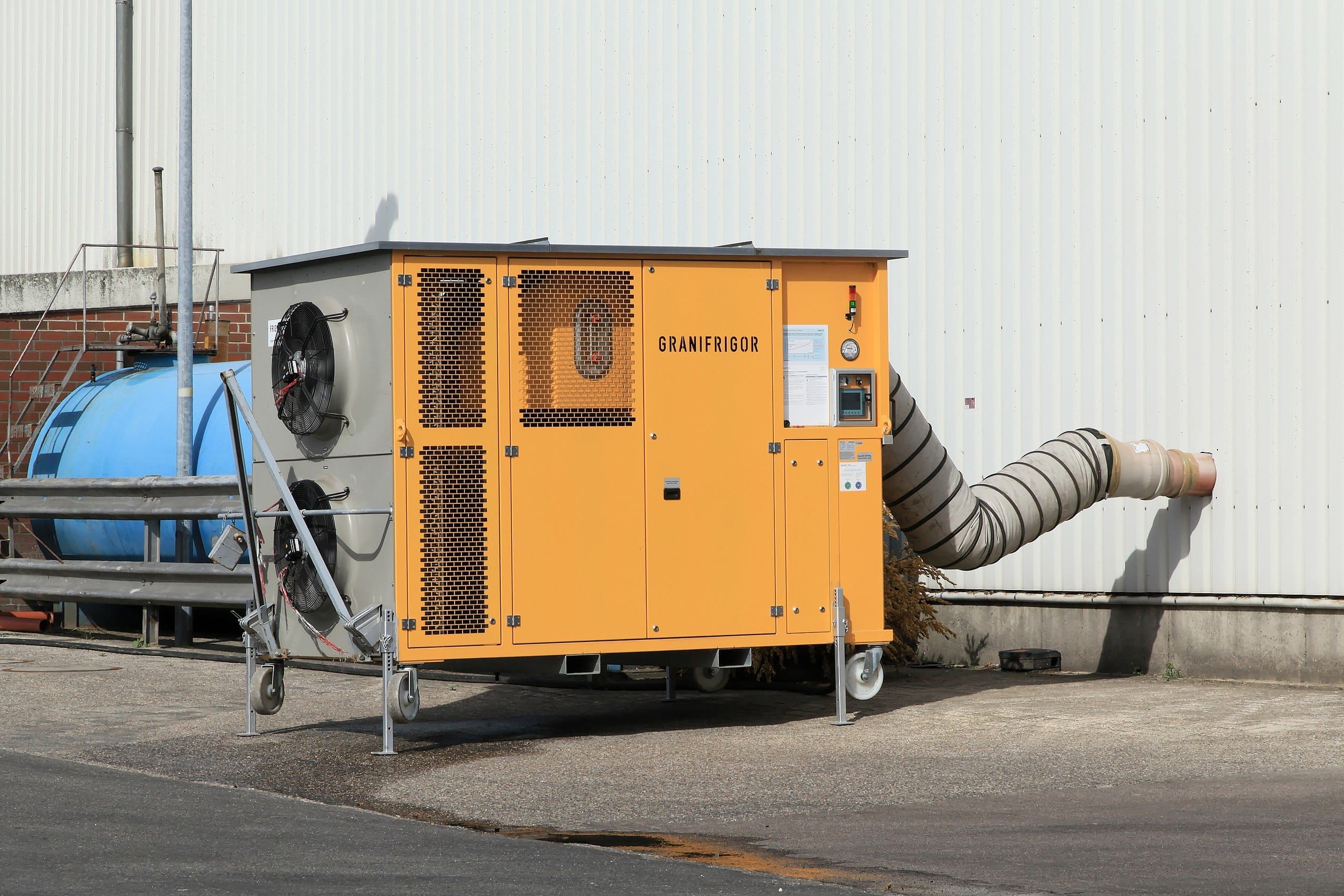
The owner and responsible design professionals define process and performance requirements. PMC can coordinate comfort HVAC, equipment cooling, ventilation, make-up air, exhaust, plumbing, utility piping, drainage, refrigeration, controls, and owner-furnished equipment where included. The facility type alone is not used to invent a process condition.

System interfaces and constructability

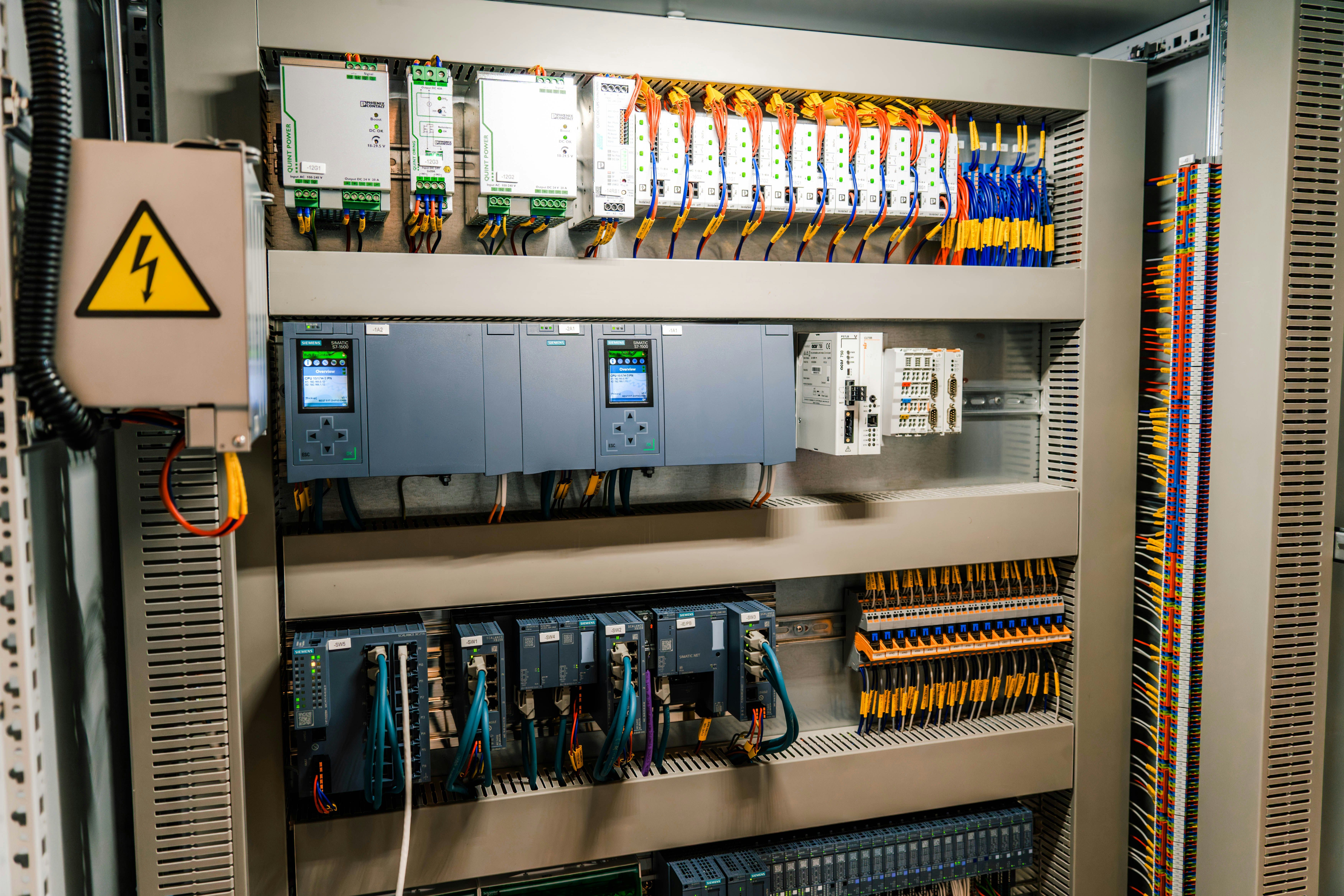
Custom projects often cross package boundaries. Cooling equipment can require electrical service, drains, alarms, controls points, and structural support. Ventilation may depend on another party’s doors or process equipment. PMC reviews routing, fabrication, supports, service clearances, access, sequencing, and startup responsibilities with the project team.

Proprietary platforms, factory services, equipment warranties, utility approvals, and professional design responsibilities are identified before work proceeds. Address-specific industrial pretreatment or discharge questions are coordinated through the responsible agency and design team.

Maintenance access and operator needs

A one-off arrangement still needs a practical life after startup. PMC reviews access to filters, coils, valves, sensors, panels, cleanouts, drains, and removable components, along with the route for future equipment replacement. If service access competes with a preferred architectural or process layout, the team should resolve that conflict before fabrication.

Operator needs also influence the control and documentation package. Alarm meaning, normal setpoints, manual modes, vendor support, and shutdown steps should be defined for the people who will use the system. Turnover can include the equipment information, control records, testing responsibilities, and orientation required by the contracted scope.

Where a pilot or phased installation is planned, acceptance criteria and the decision to proceed into later phases should be documented before the first assembly is treated as the final standard.

Retrofit and phased installation

Existing properties may have limited access, congested ceilings, equipment that must remain online, or no single acceptable shutdown window. A custom approach can use selective reuse, modular fabrication, temporary connections, off-hours work, or staged cutovers. Field investigation reduces uncertainty but cannot reveal every concealed condition; discoveries require documentation and authorization.

Planned commercial growth

The Loma Rica Ranch plan includes both a neighborhood commercial center and employment uses. Early mechanical planning for new facilities can preserve utility routes, equipment areas, service yards, roof access, and space for future maintenance or expansion. Those decisions are difficult to recover after the building layout is fixed.

A useful first review includes the Grass Valley address, facility and zone uses, operating criteria, equipment and utility information, available drawings, required milestones, access limits, shutdown restrictions, and responsible designers or vendors. PMC can then propose a field survey, constructability review, phased concept, or construction scope grounded in that facility.

Client verticals

Custom Mechanical Solutions for Grass Valley Facilities

PMC plans custom mechanical solutions work around the operating requirements of Grass Valley's commercial, industrial, institutional, and public facilities.

Hover or focus to preview. Select a facility type to open its full Grass Valley industry brief.

More PMC Services in Grass Valley

PMC also provides the following commercial mechanical services in Grass Valley. Each card opens the matching local service page.

PMC Custom Mechanical Solutions Locations

Grass Valley is highlighted below. Choose any city for local custom mechanical solutions information.

PMC Service Area We Service These Cities
Approx. drive time from Auburn

Swipe the route map sideways to follow each corridor

PMC Custom Mechanical Solutions service locations including Grass Valley A map of PMC service locations along major Northern California freeways and highways. City marker colors represent approximate travel times from Auburn, with extended service reaching Truckee, Chico, Lodi, and South Lake Tahoe. SIERRA NEVADA SACRAMENTO VALLEY Sacramento River Lake Tahoe Chico: 105–120 min via CA-65 / CA-70 / CA-99 north Chico Oroville: 80–95 min via CA-65 / CA-70 north Oroville Marysville: 50–65 min via CA-65 / CA-70 north Marysville Yuba City: 50–65 min via CA-65 / CA-99 north Yuba City Woodland: 55–70 min via I-5 / CA-113 Woodland Lincoln: 25–35 min via CA-193 / CA-65 Lincoln Nevada City: 35–45 min via CA-49 north Nevada City Grass Valley: 30–40 min via CA-49 north Grass Valley Truckee: 75–95 min via I-80 / Donner Pass Truckee Colfax: 20–25 min via I-80 east Colfax Auburn: Auburn home base via PMC home base P PMC • AUBURN Loomis: 15–20 min via I-80 west Loomis Rocklin: 20–30 min via I-80 west Rocklin Roseville: 25–35 min via I-80 west Roseville Citrus Heights: 35–45 min via I-80 west Citrus Heights Sacramento: 40–55 min via I-80 west Sacramento West Sacramento: 45–60 min via I-80 west West Sacramento Davis: 55–70 min via I-80 west Davis Rancho Cordova: 45–60 min via I-80 / US-50 Rancho Cordova Granite Bay: 25–35 min via Auburn–Folsom Road Granite Bay Folsom: 35–45 min via Auburn–Folsom Road Folsom El Dorado Hills: 40–50 min via Auburn–Folsom Road / US-50 El Dorado Hills Cameron Park: 50–60 min via US-50 east Cameron Park Placerville: 45–60 min via CA-49 south Placerville Elk Grove: 60–75 min via I-80 / CA-99 south Elk Grove South Lake Tahoe: 120–150 min via CA-49 / US-50 — weather dependent. Contact PMC to confirm scheduling. South Lake Tahoe Lodi: 70–90 min via I-80 / CA-99 south. Lodi
City details Grass Valley, CA 30–40 min CA-49 north
Nearby
15–35 min
Regional
30–65 min
Extended
55–95 min
Scheduled
90+ min