Commercial district and surrounding hills in Grass Valley, California

Commercial Mechanical Contractor in Grass Valley, CA

Commercial HVAC, controls, plumbing, refrigeration, and mechanical construction services for Grass Valley industrial parks, offices, retail and hospitality properties, institutions, and public facilities.

Grass Valley Commercial Mechanical Work

Built Around Grass Valley Facilities

Commercial HVAC, controls, plumbing, refrigeration, and mechanical construction services for Grass Valley industrial parks, offices, retail and hospitality properties, institutions, and public facilities.

PMC plans commercial mechanical work around the property’s actual use, occupied hours, existing systems, service access, and project requirements. In Grass Valley, that means accounting for the city’s particular mix of commercial, industrial, institutional, and public properties and the operating demands of the specific facility.

Downtown retail, restaurant, hospitality, cultural, and professional-office properties

Loma Rica, Whispering Pines, and Litton-area light-industrial, research, and flex facilities

Medical, education, civic, and other institutional properties

Grass Valley field guide

Commercial Mechanical Planning in Grass Valley, CA

A practical overview of Grass Valley's business districts, facility types, utilities, approvals, and mechanical project conditions.

Grass Valley combines an established downtown with industrial and employment areas that support light manufacturing, research, offices, flex space, healthcare, education, and public services. A restaurant or storefront in the commercial core does not present the same mechanical conditions as a building in Whispering Pines, Litton, or the Loma Rica area. Peak Mechanical Construction develops commercial HVAC, controls, plumbing, refrigeration, and custom mechanical scopes around those differences and the actual requirements of each facility.

Downtown commercial and hospitality properties

Downtown Grass Valley includes retail, restaurants, lodging, professional offices, cultural uses, and public gathering spaces. Work in an established commercial building can involve limited ceiling or equipment space, existing finishes, shared tenant conditions, and constrained paths for ductwork, piping, drains, controls, or ventilation. Equipment delivery and service access can also require more planning than at a freestanding property.

PMC reviews accessible field conditions, the intended use of each space, operating hours, and the parts of the existing system that will remain. A restaurant improvement may combine comfort HVAC, kitchen interfaces, hot water, plumbing fixtures, drainage, and refrigeration. An office or lodging project may place greater emphasis on zoning, quiet operation, controls, and maintaining access for staff or guests. Coordinating those systems together produces a clearer construction sequence.

Industrial and research employment areas

Grass Valley’s General Plan recognizes Loma Rica for industrial expansion and identifies Whispering Pines and the Litton-area parks as locations for light industry and research-and-development activity. Long-range planning also identifies Loma Rica Ranch, North Star, Kenny Ranch, and existing business parks as important employment or commercial areas.

These locations can include shops, warehouses, laboratories, offices, production-support rooms, and mixed office-industrial buildings. Internal heat loads, ventilation, equipment utility connections, service clearances, and occupied schedules vary by use. PMC coordinates mechanical work with the owner, project documents, equipment vendors, and adjacent trades rather than making assumptions based only on the zoning label.

Where a standard comfort-system package does not address the application, custom mechanical planning can consider equipment cooling, process ventilation, hydronic or utility piping, controls integration, and phased connection to existing systems. Engineering decisions and process requirements remain with the responsible design professionals and facility specialists.

Loma Rica Ranch and planned commercial growth

The Loma Rica Ranch Specific Plan includes a neighborhood commercial center alongside employment-generating uses. New commercial projects benefit from early coordination of equipment locations, structural interfaces, service yards, roof penetrations, piping and duct routes, control architecture, and maintenance access. Those decisions can affect several trades and are easier to resolve before procurement or field installation begins.

PMC can contribute construction-focused review during planning, then organize submittals, equipment information, installation sequencing, inspections, startup responsibilities, and turnover for its contracted scope. The objective is not to predict how a future tenant will operate, but to translate documented facility requirements into a buildable mechanical plan.

Municipal utilities and engineering coordination

Grass Valley’s engineering responsibilities include water, sewer, storm drainage, development services, and industrial pretreatment coordination. The department also administers capital improvements. Commercial plumbing and site work should therefore begin with address-specific utility verification, available connection information, and the applicable review responsibilities. Industrial or process-related discharge questions require particular attention rather than a generic assumption about acceptable waste.

The City’s strategic planning connects economic vitality with continued investment in water, wastewater, streets, and other infrastructure. For a facility owner, that reinforces the value of coordinating private mechanical work with public improvements, access conditions, and utility constraints that may affect the project schedule.

Planning work around active operations

Established Grass Valley businesses and institutions often need repairs, replacements, and retrofits while remaining open. PMC can plan shutdown windows, delivery paths, affected zones, temporary impacts, inspection milestones, and the sequence for restoring systems. A productive first discussion includes the address, facility use, equipment information, reported conditions, operating schedule, and any planned expansion or change of use. Those details let PMC match the mechanical scope and field sequence to the specific Grass Valley property.

Photos of accessible equipment, existing control information, utility correspondence, and available record drawings can sharpen that discussion. They do not replace field verification, but they help identify which questions concern immediate service, which belong in a capital plan, and which require direction from a design professional or public agency before construction scope is finalized.

Client verticals

Commercial Facilities We Serve in Grass Valley

Explore how Grass Valley's building types, business districts, operating schedules, and infrastructure shape a practical commercial mechanical scope.

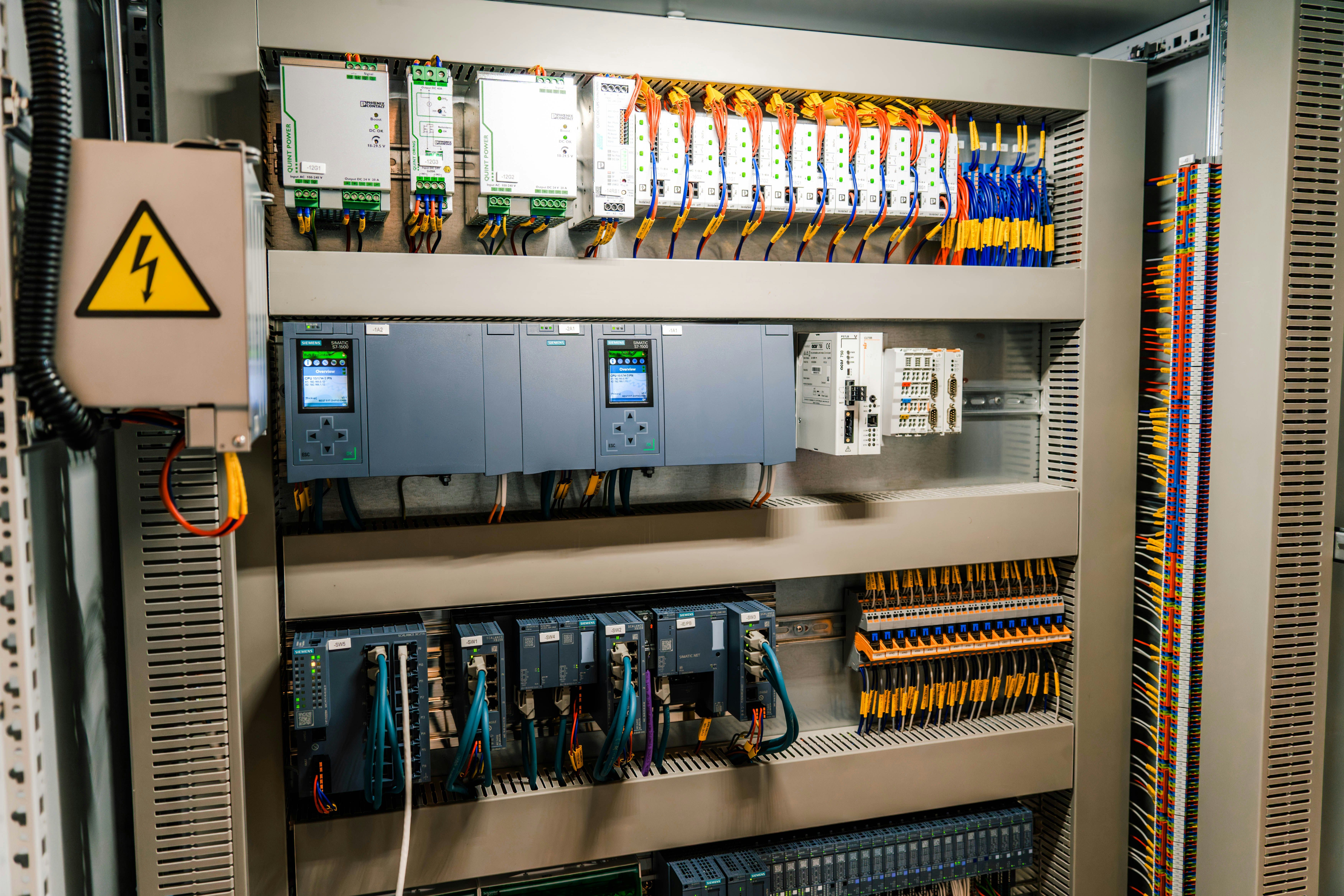
Industrial & Research

Coordinated HVAC, process-support piping, controls, plumbing, cooling, and project delivery for Grass Valley light-industrial, research, flex, and employment facilities.

Read Grass Valley industry brief

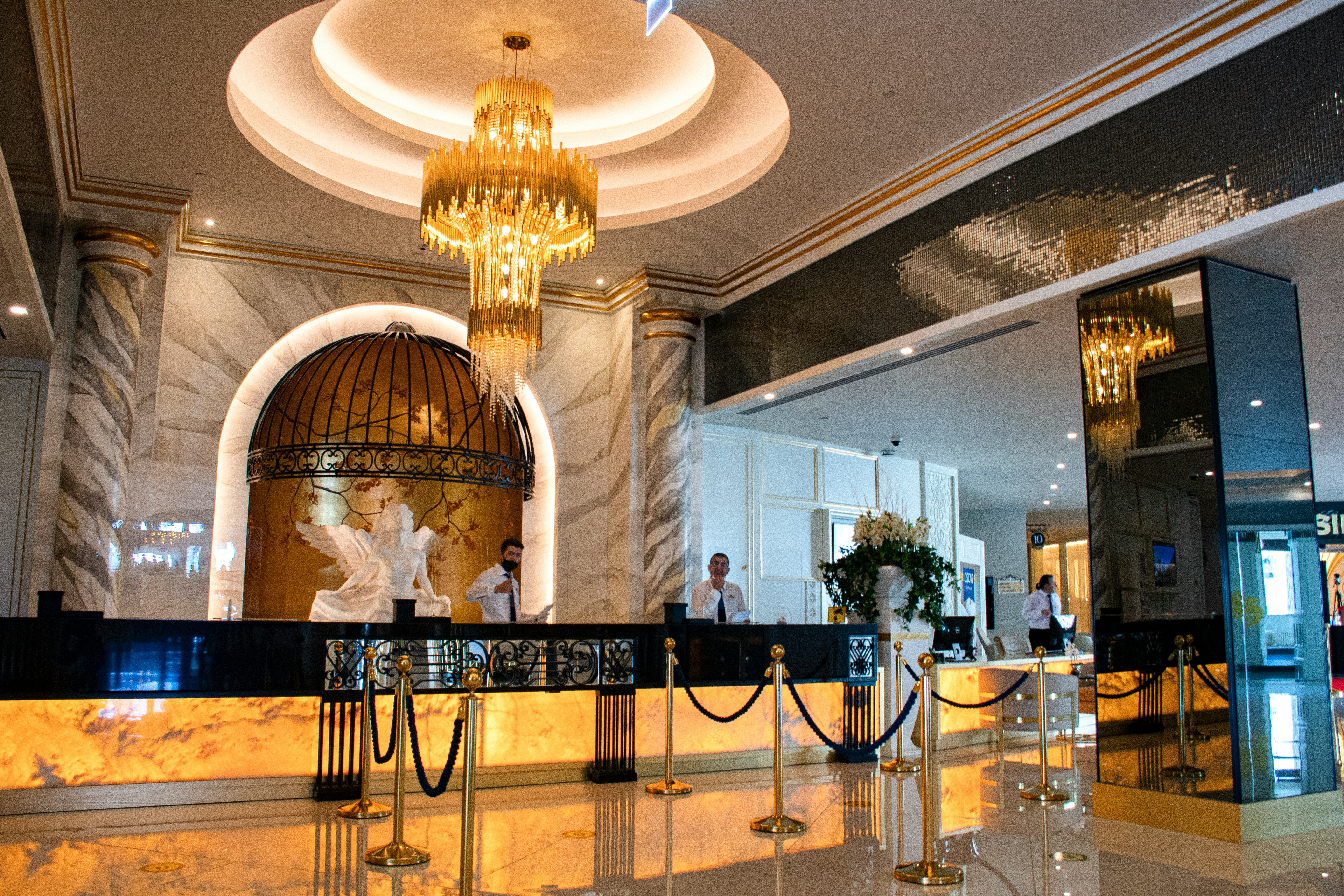
Commerce & Hospitality

Commercial HVAC, plumbing, refrigeration, controls, and coordinated construction for Grass Valley retail, restaurant, lodging, and customer-serving properties.

Read Grass Valley industry brief

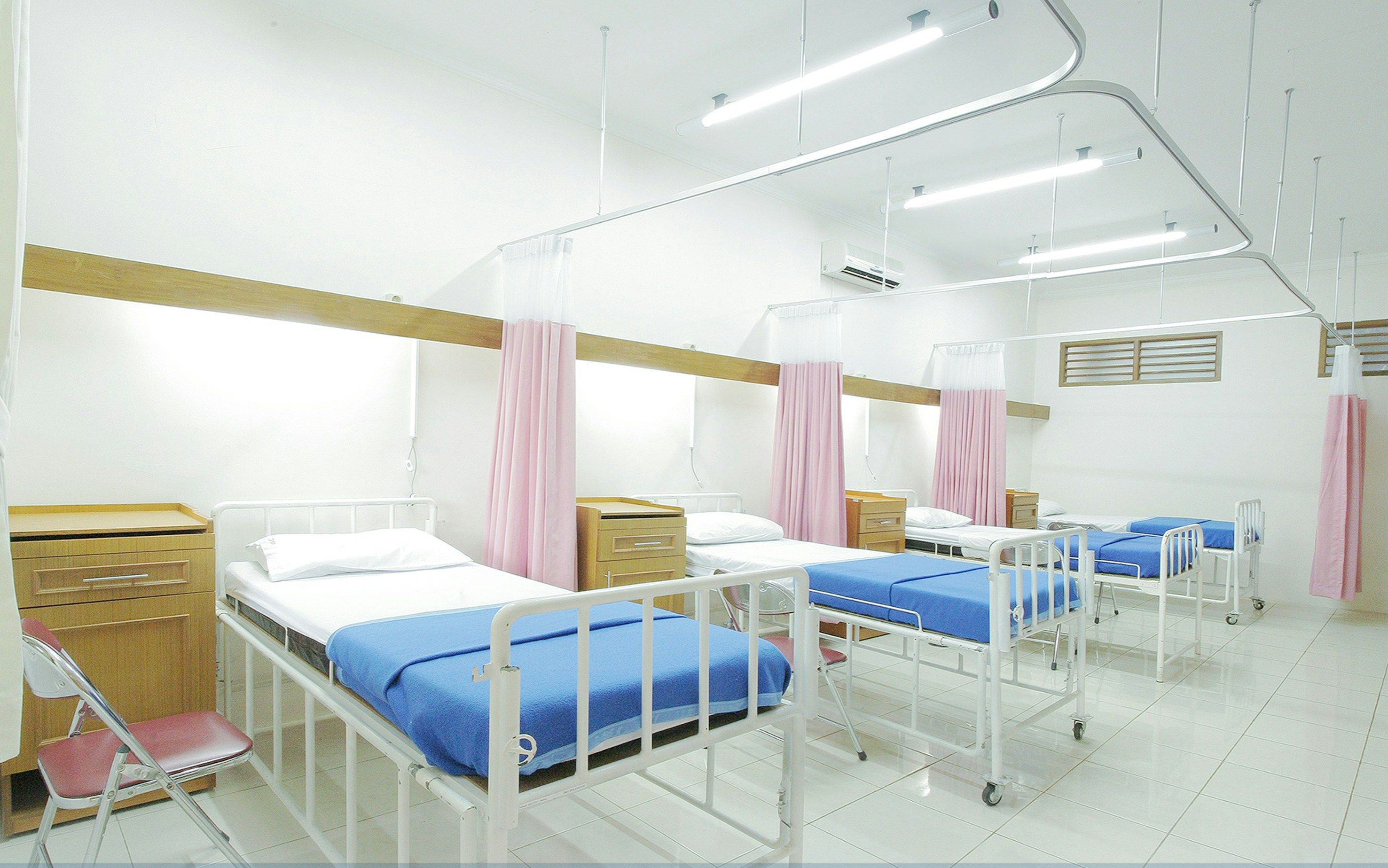
Medical & Institutional

Commercial HVAC, plumbing, controls, and mechanical project coordination for Grass Valley medical offices, professional workplaces, education, and institutional facilities.

Read Grass Valley industry brief

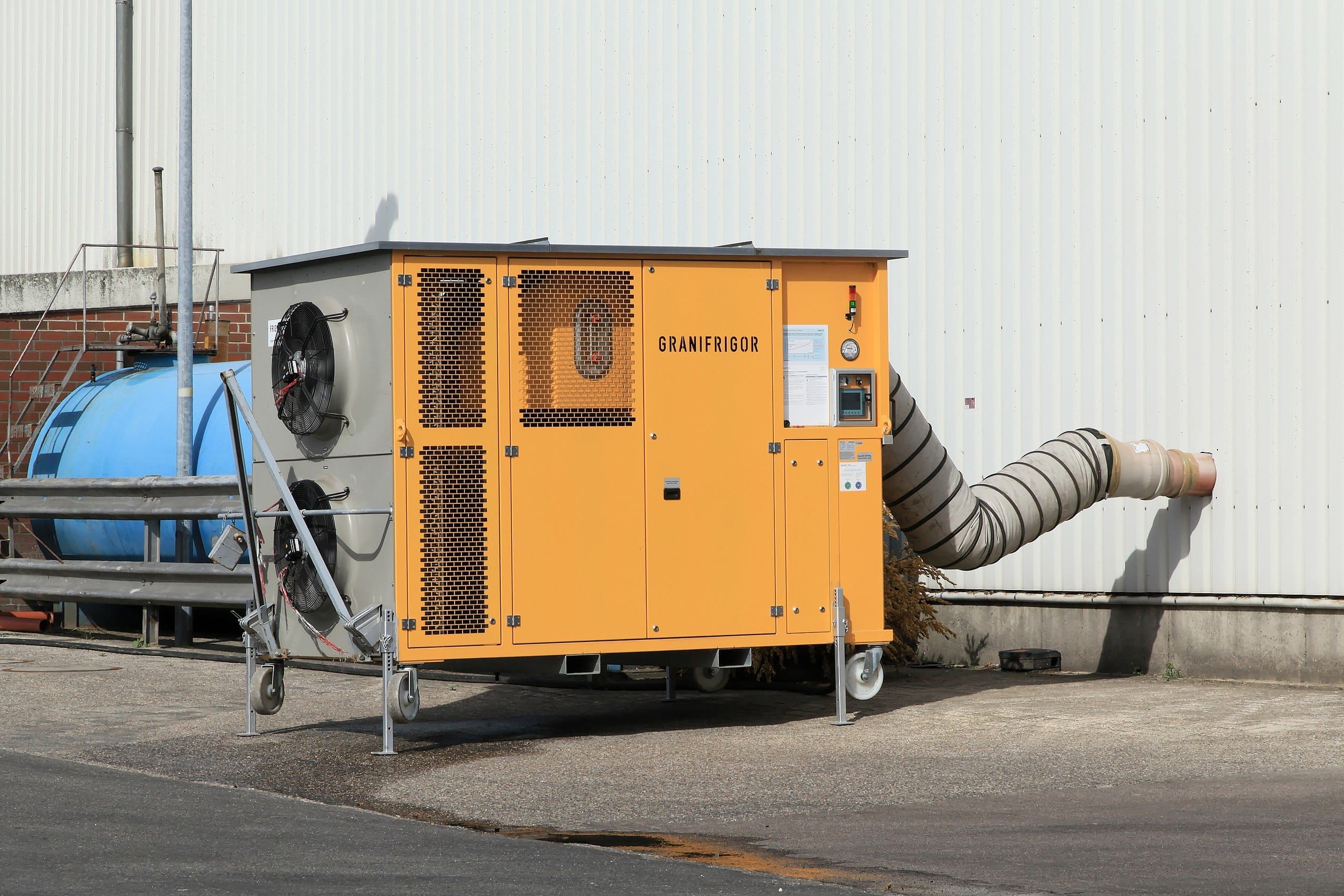
Civic & Utility Facilities

Coordinated HVAC, plumbing, controls, piping, and mechanical project delivery for Grass Valley civic buildings, public facilities, and utility operations.

Read Grass Valley industry brief

Hover or focus to preview. Select a facility type to open its full Grass Valley industry brief.

Grass Valley industry brief

Mechanical Services for Grass Valley Light-Industrial and Research Facilities

Coordinated HVAC, process-support piping, controls, plumbing, cooling, and project delivery for Grass Valley light-industrial, research, flex, and employment facilities.

Grass Valley identifies Whispering Pines and Litton-area parks with light-industry and research activity, while Loma Rica is planned for industrial expansion. Long-range employment areas also include Loma Rica Ranch, North Star, Kenny Ranch, and existing business parks. A property in one of these areas may combine offices, high-bay rooms, fabrication or assembly areas, storage, laboratories, and equipment-support spaces. Its mechanical plan should reflect the documented activity in each zone rather than rely on a broad industrial label.

Comfort systems and specialized requirements

Office zones usually have different schedules and loads from shop, storage, or research space. PMC coordinates comfort HVAC, ventilation, plumbing, controls, refrigeration, and utility piping included in the approved project. Equipment heat, exhaust, make-up air, pressure relationships, water quality, drainage, or process cooling must be defined by the owner and responsible design professionals when those requirements apply.

System interfaces are reviewed together. A cooling unit may need electrical power, structural support, condensate disposal, alarms, controls, and safe maintenance access. An owner-furnished machine may require water, waste, exhaust, or temperature control based on vendor data. PMC translates approved requirements into coordinated routing, supports, connections, testing, and installation sequencing without inventing a process condition from the tenant name or address.

Utility and pretreatment coordination

Grass Valley Engineering coordinates water, sewer, storm drainage, development services, and industrial pretreatment. Before specialty piping or discharge work proceeds, the team should identify the serving utility, acceptable connection, documented flow or waste characteristics, and the parties responsible for engineering and agency review. These questions are property-specific even when nearby businesses have similar operations.

PMC can support constructability review by locating mechanical rooms, roof or yard equipment, utility routes, service clearances, delivery paths, and future replacement access. When a new facility is still being planned, reserving this space early is more reliable than trying to recover it after structure and site circulation are fixed.

Phasing an operating facility

An established operation may need production-support equipment to remain available while new work is installed. A phased plan can identify isolation points, temporary conditions, protected work areas, inspections, vendor activities, startup steps, and the criteria for each cutover. Facility leadership remains responsible for production and operating decisions, while PMC manages the contracted mechanical sequence with the project team.

For a useful first discussion, provide the Grass Valley address, a description of each zone, operating hours, equipment and utility data, available plans, required performance criteria, access restrictions, shutdown limits, and responsible vendors or designers. Those details help separate ordinary building systems from specialized requirements and establish a practical next step.

Grass Valley industry brief

Mechanical Services for Grass Valley Commercial, Hospitality, and Food-Service Properties

Commercial HVAC, plumbing, refrigeration, controls, and coordinated construction for Grass Valley retail, restaurant, lodging, and customer-serving properties.

Grass Valley supports established retail, dining, lodging, office, and other customer-serving businesses, while the Loma Rica Ranch plan includes a neighborhood commercial center alongside employment uses. Whether work occurs in an existing tenant space or a planned development, the mechanical scope must match the approved use, operating schedule, equipment, and property constraints.

Coordinating a complete tenant system

A restaurant can combine dining-room comfort, kitchen ventilation interfaces, hot water, sinks, fixtures, drains, equipment connections, and cold storage. Lodging may require several comfort zones, domestic hot-water capacity, plumbing fixtures, and controls that suit changing occupancy. Retail and office tenants may have simpler equipment, but new partitions, lighting, displays, or operating hours can still change loads and air distribution.

PMC reviews equipment placement, duct and piping routes, control zones, condensate and waste connections, service clearances, and structural or electrical interfaces with the approved documents. Refrigeration planning also addresses heat rejection, drainage, monitoring, and the path for equipment service. Final loads, ventilation criteria, utility capacity, and equipment selections remain with the responsible design and approval parties.

Construction around customers and staff

Work in an open business requires an agreed plan for deliveries, protected areas, noise, ceiling access, shutdowns, inspections, and system restoration. If a central system serves neighboring suites, the owner should verify the affected tenants and shutdown authority before a date is promised. Food and temperature-sensitive inventory remain under the operator’s control during refrigeration work.

Grass Valley’s strategy connects continued economic activity with investment in streets, water, wastewater, and other public infrastructure. Site access or utility coordination for a particular project should be verified by address, especially when surrounding work or a new connection could affect the schedule.

Operation after turnover

Controls can organize occupied and unoccupied schedules, setpoints, alarms, and equipment status when the installed devices and sequence support those functions. Restaurant managers may need different information from a lodging or retail operator. Turnover should therefore identify the controls staff are expected to use, the equipment documentation included, maintenance access, and any proprietary vendor support.

Replacement planning also considers how a unit will be delivered and later maintained. Roof edges, screened yards, occupied entrances, narrow back-of-house routes, and neighboring equipment can make an otherwise suitable selection difficult to install. Reviewing that path before procurement helps the project team resolve access while alternatives remain available.

A facility team can begin with the Grass Valley address, business use, expected occupancy, operating hours, equipment information, menu or process requirements where relevant, planned layout, and shutdown limits. PMC can then define service investigation, replacement, tenant improvement, or construction coordination appropriate to that property.

Grass Valley industry brief

Mechanical Services for Grass Valley Medical, Professional, and Institutional Facilities

Commercial HVAC, plumbing, controls, and mechanical project coordination for Grass Valley medical offices, professional workplaces, education, and institutional facilities.

Professional offices, outpatient settings, education spaces, and other institutional facilities contribute to Grass Valley’s employment base. These properties can have regular public hours, confidential or sensitive work areas, changing room schedules, and limited opportunities for system interruption. PMC coordinates commercial mechanical work around the documented function of each area and the performance requirements established by the project team.

Room use drives the mechanical plan

An administrative office, treatment room, classroom, meeting space, records area, and equipment room should not be assumed to share the same occupancy or operating needs. Approved design information may establish ventilation, temperature, pressure, plumbing, exhaust, filtration, or monitoring criteria for particular rooms. PMC installs and coordinates the contracted HVAC, plumbing, controls, and specialty mechanical work to those documents.

The review includes equipment locations, duct and piping paths, control zones, sensors, drains, valves, access panels, service clearances, and connections to owner-furnished equipment. Any clinical, laboratory, or regulated requirement must be supplied by the responsible owner, designer, vendor, or authority. A facility’s name does not provide enough information to define a specialty system.

Phasing and continuity

Mechanical construction may need to preserve access to occupied departments while selected rooms are closed. The work plan can identify affected zones, temporary barriers, ceiling or corridor access, utility shutdowns, inspections, startup activities, and restoration checkpoints. If a shared air or water system crosses several departments, facility leadership should confirm the acceptable outage and communication plan.

Grass Valley’s long-range strategy recognizes employment centers and continued investment in public infrastructure. For an address-specific project, utility information and any surrounding capital work should be checked early enough to inform connection, access, or scheduling decisions. PMC coordinates its scope with the owner, general contractor, designers, vendors, and adjacent trades while agency and professional determinations remain with the responsible parties.

Controls, documentation, and service access

Building controls can support schedules, zone setpoints, equipment status, alarms, and trend data when those functions are included in the approved sequence. Operators need clear explanations of normal schedules, authorized overrides, alarm meaning, and vendor support. Testing and turnover activities should match the contracted scope rather than imply a certification or function that was not specified.

Future maintenance is also a design consideration. Filters, valves, sensors, coils, panels, and cleanouts should remain reachable after ceilings, cabinetry, and equipment are installed. Equipment replacement paths deserve review before final room layouts or structural openings are fixed.

Useful starting information includes the Grass Valley address, room uses, operating calendar, existing equipment, known concerns, available drawings, required criteria, access rules, and shutdown limits. With those facts, PMC can distinguish a focused repair or maintenance need from a phased replacement, modernization, or tenant-improvement project.

Grass Valley industry brief

Mechanical Services for Grass Valley Civic, Public, and Utility Facilities

Coordinated HVAC, plumbing, controls, piping, and mechanical project delivery for Grass Valley civic buildings, public facilities, and utility operations.

Grass Valley Engineering administers capital improvements and coordinates water, sewer, storm drainage, development, and industrial pretreatment responsibilities. Civic buildings and utility operations can therefore range from conventional occupied facilities to infrastructure with specialized piping, controls, ventilation, and operating requirements. PMC approaches each project from the issued scope, facility criteria, and defined agency responsibilities.

Public-building mechanical work

Administrative, meeting, public-service, maintenance, and support spaces can require HVAC replacement, plumbing improvements, controls modernization, or a coordinated renovation. Public access and staff operations may continue around the work. PMC helps organize equipment deliveries, protected work areas, shutdowns, inspections, startup, and restoration with the owner and wider project team.

Existing conditions deserve verification before procurement. Record drawings may not show later alterations, concealed routes, or the current control platform. Field observations can clarify accessible equipment, valves, panels, service clearances, and connection points, while concealed conditions remain documented assumptions until the work exposes them.

Utility and process-support systems

A utility project may include pumps, valves, piping, drainage, heating or cooling, ventilation, controls, instrumentation interfaces, and owner-furnished equipment. The responsible engineers and agency establish process performance, materials, redundancy, testing, and acceptance criteria. PMC coordinates only its assigned mechanical and controls scope with those requirements; it does not replace engineering or operator authority.

Control work also requires a clear division among mechanical equipment, field devices, electrical power, communications, programming, supervisory graphics, and proprietary vendors. Point responsibilities and functional activities should be agreed before installation. Operator participation is important when confirming alarm routing, manual modes, shutdown steps, and the information needed at turnover.

Capital-project delivery

Grass Valley’s strategic planning connects economic vitality with continued investment in water, wastewater, streets, and public infrastructure. A practical mechanical schedule includes design inputs, submittals, reviews, long-lead procurement, site access, shutdown windows, inspections, startup, and closeout rather than listing installation alone. Decision and open-item logs help identify the party responsible for missing information before it affects field work.

For an occupied or continuously operating site, phased connections may be necessary. The plan should define what remains in service, how isolation is verified, who authorizes each cutover, and what test permits restoration. Temporary arrangements require approved design and operating direction rather than an improvised field assumption.

An initial review is most productive with the Grass Valley address, facility purpose, issued documents, equipment schedules, utility and process criteria, procurement milestones, access rules, shutdown limitations, testing responsibilities, and agency or vendor contacts. That information allows PMC to build a coordinated mechanical scope appropriate to a public building or specialized utility setting.

Commercial Services in Grass Valley

Explore PMC's location-specific capabilities for commercial and industrial facilities in Grass Valley.

Explore PMC’s Service Area

Grass Valley is highlighted below. Choose another city to explore its commercial mechanical services and local project details.

PMC Service Area We Service These Cities
Approx. drive time from Auburn

Swipe the route map sideways to follow each corridor

PMC service area centered on Grass Valley A map of PMC service locations along major Northern California freeways and highways. City marker colors represent approximate travel times from Auburn, with extended service reaching Truckee, Chico, Lodi, and South Lake Tahoe. SIERRA NEVADA SACRAMENTO VALLEY Sacramento River Lake Tahoe Chico: 105–120 min via CA-65 / CA-70 / CA-99 north Chico Oroville: 80–95 min via CA-65 / CA-70 north Oroville Marysville: 50–65 min via CA-65 / CA-70 north Marysville Yuba City: 50–65 min via CA-65 / CA-99 north Yuba City Woodland: 55–70 min via I-5 / CA-113 Woodland Lincoln: 25–35 min via CA-193 / CA-65 Lincoln Nevada City: 35–45 min via CA-49 north Nevada City Grass Valley: 30–40 min via CA-49 north Grass Valley Truckee: 75–95 min via I-80 / Donner Pass Truckee Colfax: 20–25 min via I-80 east Colfax Auburn: Auburn home base via PMC home base P PMC • AUBURN Loomis: 15–20 min via I-80 west Loomis Rocklin: 20–30 min via I-80 west Rocklin Roseville: 25–35 min via I-80 west Roseville Citrus Heights: 35–45 min via I-80 west Citrus Heights Sacramento: 40–55 min via I-80 west Sacramento West Sacramento: 45–60 min via I-80 west West Sacramento Davis: 55–70 min via I-80 west Davis Rancho Cordova: 45–60 min via I-80 / US-50 Rancho Cordova Granite Bay: 25–35 min via Auburn–Folsom Road Granite Bay Folsom: 35–45 min via Auburn–Folsom Road Folsom El Dorado Hills: 40–50 min via Auburn–Folsom Road / US-50 El Dorado Hills Cameron Park: 50–60 min via US-50 east Cameron Park Placerville: 45–60 min via CA-49 south Placerville Elk Grove: 60–75 min via I-80 / CA-99 south Elk Grove South Lake Tahoe: 120–150 min via CA-49 / US-50 — weather dependent. Contact PMC to confirm scheduling. South Lake Tahoe Lodi: 70–90 min via I-80 / CA-99 south. Lodi
City details Grass Valley, CA 30–40 min CA-49 north
Nearby
15–35 min
Regional
30–65 min
Extended
55–95 min
Scheduled
90+ min

Nearby Cities We Serve