Historic commercial buildings along Broad Street in downtown Nevada City, California

Mechanical Project Management in Nevada City, CA

Mechanical scope planning, constructability, permitting coordination, scheduling, procurement, phasing, and field execution for Nevada City commercial and institutional projects.

Nevada City service overview

Project Management & Consulting planned around Nevada City facilities

Mechanical scope planning, constructability, permitting coordination, scheduling, procurement, phasing, and field execution for Nevada City commercial and institutional projects.

PMC plans the Project Management & Consulting scope in Nevada City around the building's use, occupied hours, existing equipment, service access, and documented project requirements.

  • Historic downtown retail, restaurants, lodging, cultural venues, and professional offices
  • Seven Hills and other commercial redevelopment or employment sites
  • Civic, county, education, healthcare, and public-utility facilities
Nevada City service guide

Mechanical Project Management in Nevada City, CA

Mechanical scope planning, constructability, permitting coordination, scheduling, procurement, phasing, and field execution for Nevada City commercial and institutional projects.

Mechanical projects in Nevada City can involve historic commercial buildings, occupied restaurants and lodging, professional offices, civic facilities, and redevelopment sites. Peak Mechanical Construction coordinates its contracted mechanical scope from early review through turnover so owners and project teams can see assumptions, interfaces, decisions, procurement needs, and operational impacts before they reach the field.

Establishing the review and permit path

Nevada City Planning reviews architecture, signs, conditional uses, development applications, and pre-application proposals. Commercial work may follow ministerial or discretionary review, while building permits are coordinated through Nevada County. Businesses also require City licensing. The owner and design team should determine which steps apply to the proposed address and use; PMC then organizes mechanical submittals, inspections, and supporting information assigned by the project.

The distinction matters when equipment, screens, louvers, vents, piping, or penetrations affect an exterior. It can also influence schedule assumptions for a changed use or extensive tenant improvement. Review milestones should appear in the project schedule before equipment release or field dates depend on an unconfirmed approval.

Constructability in historic properties

Nevada City’s downtown district includes approximately 93 registered historic buildings. A mechanical concept that works on a diagram may encounter narrow access, finished interiors, limited ceiling depth, shared systems, structural restrictions, or visible roof conditions. PMC can review equipment locations, delivery paths, duct and piping routes, condensate, controls, service clearances, shutdowns, lifting, and coordination with structure, electrical work, fire protection, and finishes.

Field observations clarify accessible conditions but cannot reveal every concealed route. Assumptions should be recorded along with the party responsible for design direction if hidden construction differs. This gives the owner a more useful basis for contingency and change review.

Procurement, phasing, and downtown access

Mechanical equipment has dependencies before installation: complete criteria, submittal preparation, design review, release, manufacture, delivery, factory services, startup, and sometimes proprietary controls support. The schedule should track those steps and identify decision dates for missing utility, sequence, or equipment information.

Occupied downtown properties may require work around public hours, staff access, deliveries, neighboring suites, parking, and protected pedestrian routes. A phased plan defines affected zones, outage authority, temporary conditions, inspection points, and restoration criteria. Facility leadership controls business-operating decisions, while PMC coordinates the approved construction sequence.

Seven Hills and reinvestment projects

Nevada City’s priorities include continued Seven Hills redevelopment for business activity and walkability. Existing-building reinvestment can benefit from early decisions about equipment rooms, roof or yard locations, utility pathways, delivery access, control infrastructure, and future maintenance. Resolving these before architectural and site layouts are fixed reduces later conflicts.

Estimates and schedules should state their basis, inclusions, exclusions, assumptions, and allowances. They are updated when design revisions, concealed discoveries, owner changes, review outcomes, or procurement conditions alter that basis; coordination does not guarantee a fixed price or completion date.

Useful starting documents include the Nevada City address, intended use, plans and specifications, equipment schedules, review status, owner milestones, operating restrictions, utility information, and project contacts. PMC can then define constructability, budgeting, procurement, field coordination, startup, and closeout activities appropriate to its scope.

Client verticals

Project Management & Consulting for Nevada City Facilities
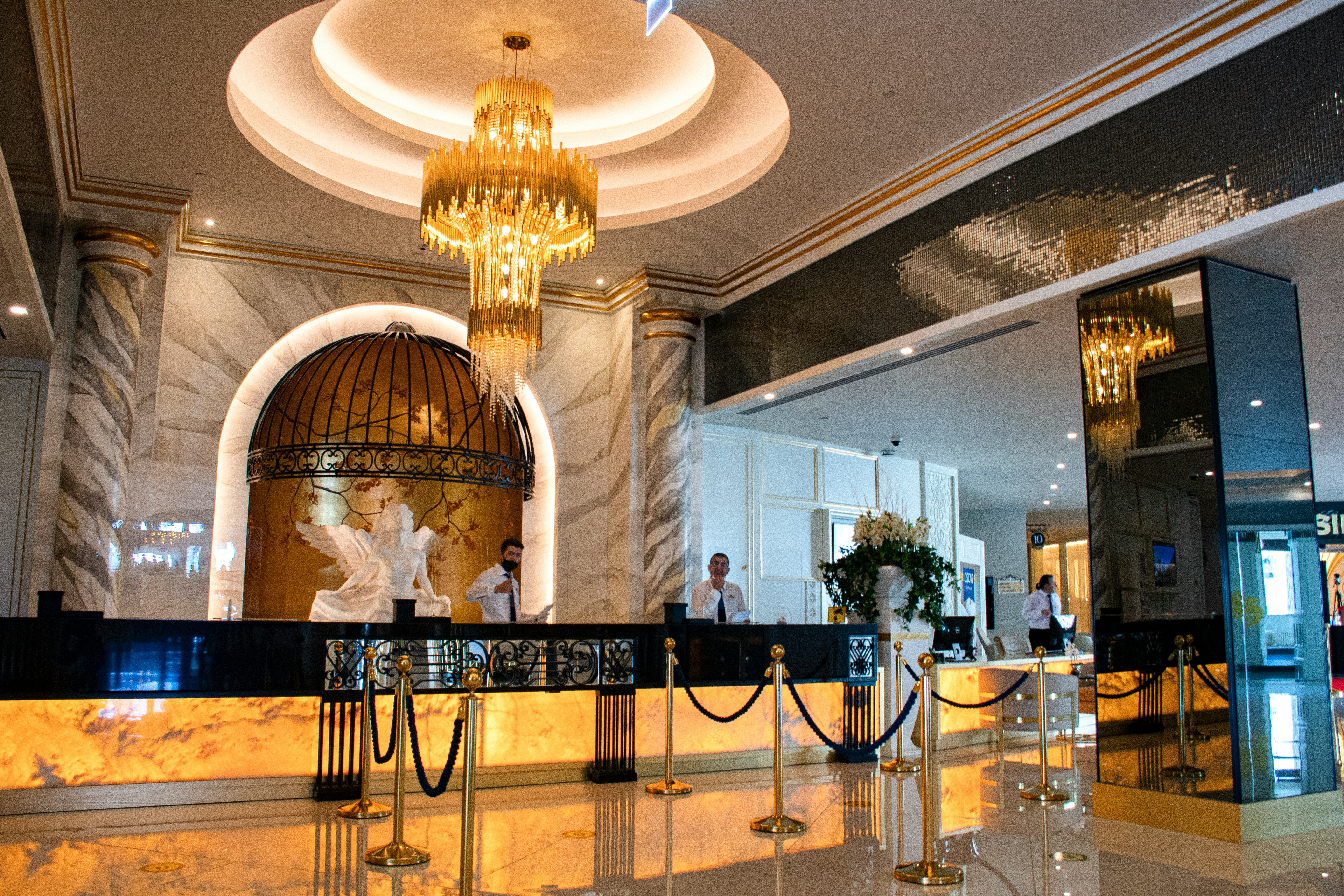
PMC plans project management & consulting work around the operating requirements of Nevada City's commercial, industrial, institutional, and public facilities.

Hover or focus to preview. Select a facility type to open its full Nevada City industry brief.

More PMC Services in Nevada City
PMC also provides the following commercial mechanical services in Nevada City. Each card opens the matching local service page.

PMC Project Management & Consulting Locations

Nevada City is highlighted below. Choose any city for local project management & consulting information.

PMC Service Area We Service These Cities
Approx. drive time from Auburn

Swipe the route map sideways to follow each corridor

PMC Project Management & Consulting service locations including Nevada City A map of PMC service locations along major Northern California freeways and highways. City marker colors represent approximate travel times from Auburn, with extended service reaching Truckee, Chico, Lodi, and South Lake Tahoe. SIERRA NEVADA SACRAMENTO VALLEY Sacramento River Lake Tahoe Chico: 105–120 min via CA-65 / CA-70 / CA-99 north Chico Oroville: 80–95 min via CA-65 / CA-70 north Oroville Marysville: 50–65 min via CA-65 / CA-70 north Marysville Yuba City: 50–65 min via CA-65 / CA-99 north Yuba City Woodland: 55–70 min via I-5 / CA-113 Woodland Lincoln: 25–35 min via CA-193 / CA-65 Lincoln Nevada City: 35–45 min via CA-49 north Nevada City Grass Valley: 30–40 min via CA-49 north Grass Valley Truckee: 75–95 min via I-80 / Donner Pass Truckee Colfax: 20–25 min via I-80 east Colfax Auburn: Auburn home base via PMC home base P PMC • AUBURN Loomis: 15–20 min via I-80 west Loomis Rocklin: 20–30 min via I-80 west Rocklin Roseville: 25–35 min via I-80 west Roseville Citrus Heights: 35–45 min via I-80 west Citrus Heights Sacramento: 40–55 min via I-80 west Sacramento West Sacramento: 45–60 min via I-80 west West Sacramento Davis: 55–70 min via I-80 west Davis Rancho Cordova: 45–60 min via I-80 / US-50 Rancho Cordova Granite Bay: 25–35 min via Auburn–Folsom Road Granite Bay Folsom: 35–45 min via Auburn–Folsom Road Folsom El Dorado Hills: 40–50 min via Auburn–Folsom Road / US-50 El Dorado Hills Cameron Park: 50–60 min via US-50 east Cameron Park Placerville: 45–60 min via CA-49 south Placerville Elk Grove: 60–75 min via I-80 / CA-99 south Elk Grove South Lake Tahoe: 120–150 min via CA-49 / US-50 — weather dependent. Contact PMC to confirm scheduling. South Lake Tahoe Lodi: 70–90 min via I-80 / CA-99 south. Lodi
City details Nevada City, CA 35–45 min CA-49 north
Nearby
15–35 min
Regional
30–65 min
Extended
55–95 min
Scheduled
90+ min