Downtown Sacramento skyline

Commercial Mechanical Project Management in Sacramento, CA

Mechanical preconstruction, procurement, phasing, field coordination, and turnover for Sacramento civic, commercial, healthcare, research, and industrial projects.

Sacramento service overview

Project Management & Consulting planned around Sacramento facilities

Mechanical preconstruction, procurement, phasing, field coordination, and turnover for Sacramento civic, commercial, healthcare, research, and industrial projects.

PMC plans the Project Management & Consulting scope in Sacramento around the building's use, occupied hours, existing equipment, service access, and documented project requirements.

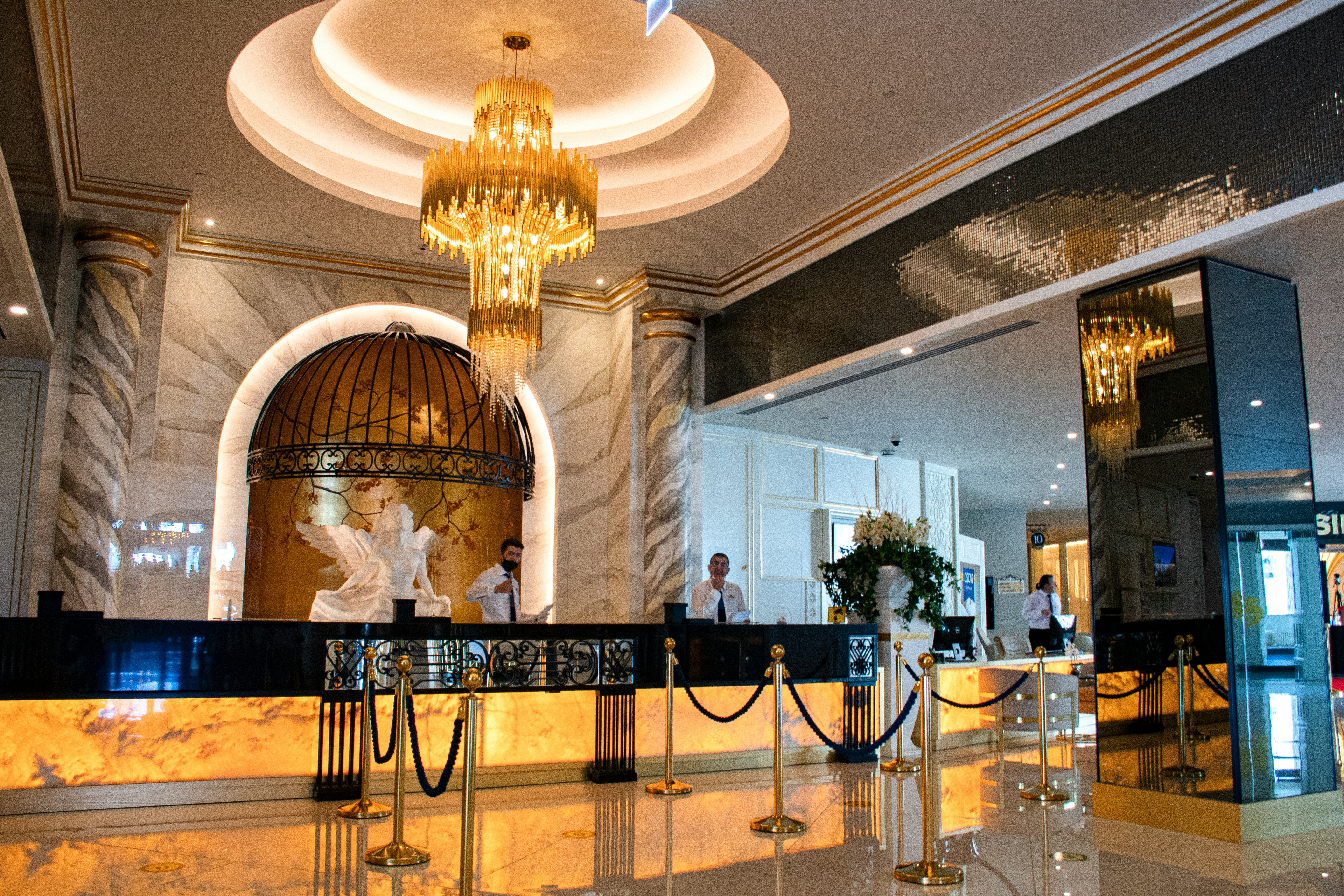
  • State and local government, civic, convention, and institutional properties
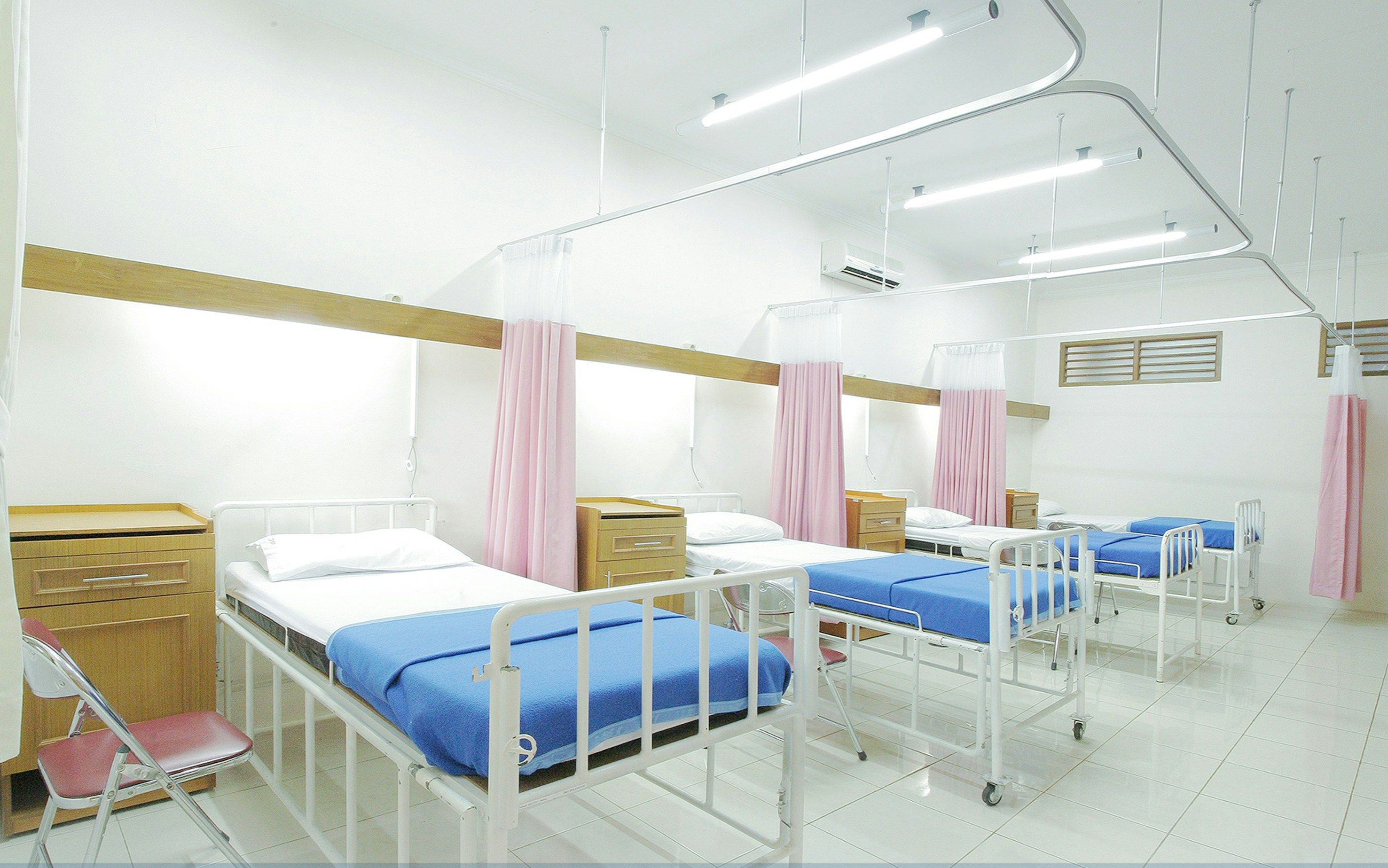
  • Healthcare, life-science, education, office, and technology facilities
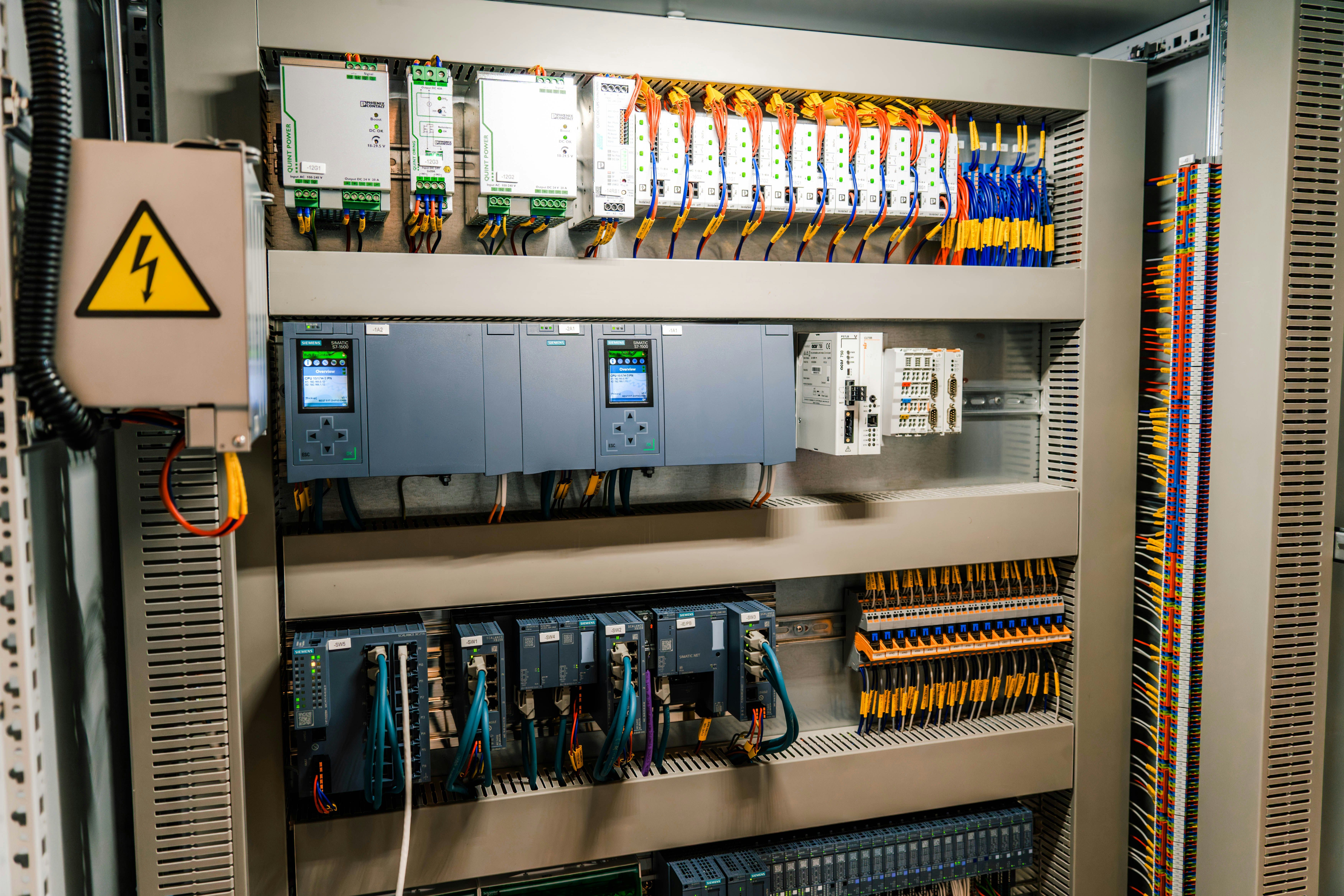
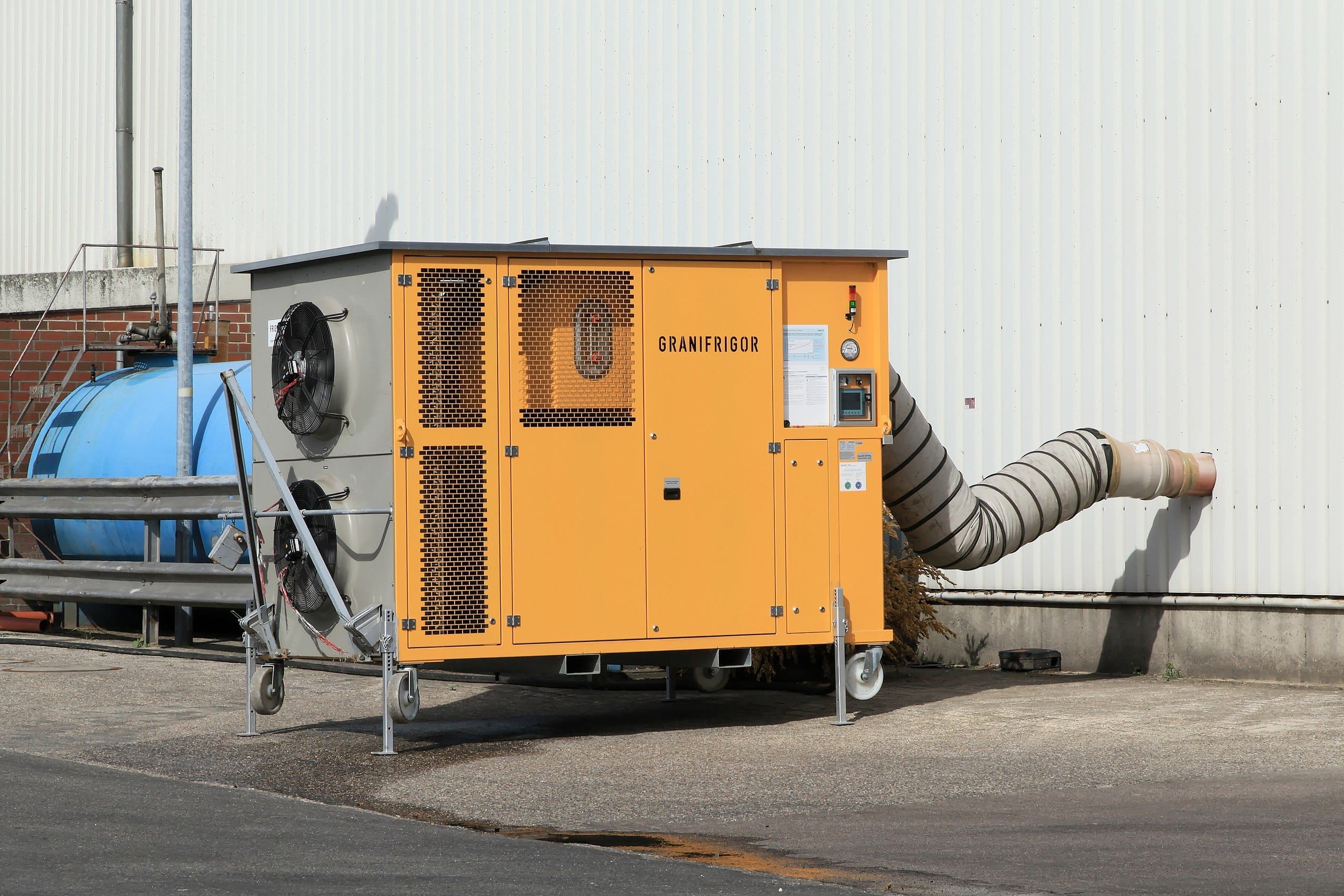
  • Industrial, manufacturing, warehouse, retail, restaurant, and hospitality buildings
Sacramento service guide

Commercial Mechanical Project Management in Sacramento, CA

Mechanical preconstruction, procurement, phasing, field coordination, and turnover for Sacramento civic, commercial, healthcare, research, and industrial projects.

Managing commercial mechanical work in Sacramento means adapting to distinct building and district conditions while keeping one accurate project record. A Central City public building, a Power Inn production property, and a research tenant improvement can involve the same mechanical disciplines but very different access, stakeholders, utility questions, and operating limits. Peak Mechanical Construction manages its contracted scope so those conditions inform decisions from preconstruction through turnover.

Early review by property and district

Sacramento’s General Plan distinguishes the Central City, office and production-service centers, and industrial areas including Pell-Main, Cannon Industrial Park, the Railyards, River District, and Power Inn. Project planning starts at the actual address with current drawings, intended use, accessible systems, site logistics, and schedule. PMC reviews equipment access, routing, clearances, structural and electrical interfaces, controls, shutoffs, occupied areas, and known existing conditions.

Open technical questions are assigned to the appropriate owner, engineer, architect, manufacturer, utility, or trade. This responsibility tracking allows the field team to build from approved information and makes it easier to see which unresolved decision could affect procurement or mobilization.

Utility and agency coordination inputs

Sacramento provides water, stormwater, and wastewater services, but the city contains combined and separated sewer areas and some addresses served by SacSewer. The project team must confirm which provider and system context apply. PMC incorporates verified utility and agency requirements into the mechanical sequence without representing citywide information as approval for a particular connection.

Public, healthcare, and institutional work may also involve security, scheduled occupants, multiple reviewers, and structured submittal or inspection processes. These requirements are placed on the project schedule alongside equipment lead times and field activities so approvals do not become an invisible prerequisite.

Procurement and multi-trade coordination

Mechanical equipment and materials depend on approved submittals, manufacturing lead times, delivery access, storage, supports, electrical power, controls, and the readiness of surrounding construction. PMC tracks these dependencies and communicates changes that affect the planned installation. Urban lifting conditions differ from industrial yard access, so the mobilization plan is tailored to the site.

Coordination reviews align HVAC, plumbing, refrigeration, and controls with architecture, structure, electrical, fire protection, civil work, and owner equipment. Connection points, ceiling and roof zones, equipment rooms, service access, and future maintenance routes are considered before rough-in. Interfaces assigned to other parties are documented instead of presumed.

Phasing, startup, and closeout

For occupied Sacramento facilities, shutdown planning identifies the affected system and zones, authorization, notifications, preliminary checks, expected sequence, inspection or startup needs, and restoration. Work may proceed by floor, department, tenant, or equipment group. Controls cutovers and functional responsibilities belong within that phasing plan.

During construction, PMC follows submittals, procurement, questions, approved changes, inspections, startup dependencies, and punch items. Closeout can include the test, equipment, startup, and control information required by the scope. To begin, provide the address, project stage, design team contacts, available documents, target dates, and facility restrictions so the appropriate management effort can be defined.

An early responsibility matrix is also useful when the landlord, tenant, public agency, and several specialty vendors each control a different prerequisite or approval.

Client verticals

Project Management & Consulting for Sacramento Facilities

PMC plans project management & consulting work around the operating requirements of Sacramento's commercial, industrial, institutional, and public facilities.

Hover or focus to preview. Select a facility type to open its full Sacramento industry brief.

More PMC Services in Sacramento

PMC also provides the following commercial mechanical services in Sacramento. Each card opens the matching local service page.

PMC Project Management & Consulting Locations

Sacramento is highlighted below. Choose any city for local project management & consulting information.

PMC Service Area We Service These Cities
Approx. drive time from Auburn

Swipe the route map sideways to follow each corridor

PMC Project Management & Consulting service locations including Sacramento A map of PMC service locations along major Northern California freeways and highways. City marker colors represent approximate travel times from Auburn, with extended service reaching Truckee, Chico, Lodi, and South Lake Tahoe. SIERRA NEVADA SACRAMENTO VALLEY Sacramento River Lake Tahoe Chico: 105–120 min via CA-65 / CA-70 / CA-99 north Chico Oroville: 80–95 min via CA-65 / CA-70 north Oroville Marysville: 50–65 min via CA-65 / CA-70 north Marysville Yuba City: 50–65 min via CA-65 / CA-99 north Yuba City Woodland: 55–70 min via I-5 / CA-113 Woodland Lincoln: 25–35 min via CA-193 / CA-65 Lincoln Nevada City: 35–45 min via CA-49 north Nevada City Grass Valley: 30–40 min via CA-49 north Grass Valley Truckee: 75–95 min via I-80 / Donner Pass Truckee Colfax: 20–25 min via I-80 east Colfax Auburn: Auburn home base via PMC home base P PMC • AUBURN Loomis: 15–20 min via I-80 west Loomis Rocklin: 20–30 min via I-80 west Rocklin Roseville: 25–35 min via I-80 west Roseville Citrus Heights: 35–45 min via I-80 west Citrus Heights Sacramento: 40–55 min via I-80 west Sacramento West Sacramento: 45–60 min via I-80 west West Sacramento Davis: 55–70 min via I-80 west Davis Rancho Cordova: 45–60 min via I-80 / US-50 Rancho Cordova Granite Bay: 25–35 min via Auburn–Folsom Road Granite Bay Folsom: 35–45 min via Auburn–Folsom Road Folsom El Dorado Hills: 40–50 min via Auburn–Folsom Road / US-50 El Dorado Hills Cameron Park: 50–60 min via US-50 east Cameron Park Placerville: 45–60 min via CA-49 south Placerville Elk Grove: 60–75 min via I-80 / CA-99 south Elk Grove South Lake Tahoe: 120–150 min via CA-49 / US-50 — weather dependent. Contact PMC to confirm scheduling. South Lake Tahoe Lodi: 70–90 min via I-80 / CA-99 south. Lodi
City details Sacramento, CA 40–55 min I-80 west
Nearby
15–35 min
Regional
30–65 min
Extended
55–95 min
Scheduled
90+ min