Welcome to Loomis sign in Loomis, California

Mechanical Project Management in Loomis, CA

Mechanical scope development, coordination, scheduling, and construction management for Loomis commercial projects.

Loomis service overview

Project Management & Consulting planned around Loomis facilities

Mechanical scope development, coordination, scheduling, and construction management for Loomis commercial projects.

PMC plans the Project Management & Consulting scope in Loomis around the building's use, occupied hours, existing equipment, service access, and documented project requirements.

  • Taylor Road and Downtown Loomis shops, restaurants, offices, and service businesses
  • Interstate 80 and Horseshoe Bar Road commercial properties
  • Small institutional, education, agricultural, and community facilities
Loomis service guide

Mechanical Project Management in Loomis, CA

Mechanical scope development, coordination, scheduling, and construction management for Loomis commercial projects.

Commercial mechanical work in Loomis can range from a focused Downtown tenant improvement to equipment replacement near Interstate 80 or a coordinated upgrade in an institutional facility. Peak Mechanical Construction provides mechanical project management and consulting to organize scope, constructability, procurement inputs, field sequence, trade interfaces, inspections, and turnover around the actual property and approved project requirements.

Defining scope before construction

The Town’s General Plan addresses land use, circulation, public services, economic development, and conservation, while its commercial forms identify detailed submittal topics. Within that wider framework, a project team still needs a precise description of the mechanical work. PMC reviews available plans, equipment schedules, accessible existing conditions, performance requirements, exclusions, and responsibilities before field activities begin.

For a Taylor Road tenant improvement, that review may reveal restricted routes, shared utilities, occupied neighbors, or exterior equipment questions. Near Horseshoe Bar Road and I-80, delivery access and staging may be easier, but rooftop lifts, customer traffic, or site work can govern the sequence. Institutional, education, or agricultural facilities can add irregular schedules and specialized spaces.

Permits, licensing, and coordination

Loomis commercial submittal requirements can address accessibility, occupancy changes, grading, site plans, special inspections, and construction-waste management. Contractors must also hold an active Town business license in addition to the applicable California contractor license. PMC coordinates its contracted administrative tasks with the owner, general contractor, design professionals, and Town so the team knows who submits documents, responds to comments, schedules inspections, and maintains required records.

Mechanical project management does not replace engineering or jurisdictional decisions. It connects the approved design to equipment procurement, field access, installation sequence, quality-control steps, testing, and closeout. Open questions are assigned to the responsible party rather than resolved through unsupported assumptions.

Scheduling an operating Loomis facility

Occupied shops, restaurants, offices, and community buildings require a schedule that identifies actual impacts. PMC can plan noisy work, shutdowns, ceiling access, deliveries, lifting, inspections, startup, and return-to-service milestones around business hours and site restrictions. Long-lead equipment and vendor requirements are tracked early enough to inform the wider project schedule.

Cost visibility also depends on a stable scope. Estimates document assumptions and exclusions, while proposed changes are communicated with their likely schedule and coordination effects. Field conditions that differ from available records are documented for team review before work expands.

Procurement, testing, and closeout

Mechanical equipment can bring submittal requirements, manufacturing lead times, delivery constraints, and vendor startup tasks that affect the whole Loomis project. PMC tracks the inputs within its contracted scope and identifies dates when owner or design-team decisions are needed. Substitutions are evaluated against the approved requirements, available space, connections, controls, and maintainability rather than on equipment availability alone.

Before turnover, the plan should account for inspections, startup, specified testing, open-item resolution, and delivery of applicable equipment or controls information. These steps are scheduled alongside the business’s move-in or return to normal operation. A defined closeout avoids treating first operation as the end of project coordination.

An effective kickoff starts with the Loomis address, project objective, available drawings, desired timing, operating limitations, known equipment, and decision-makers. PMC can then structure the mechanical work into defined planning, procurement, construction, testing, and turnover steps suited to the specific Loomis project.

Client verticals

Project Management & Consulting for Loomis Facilities
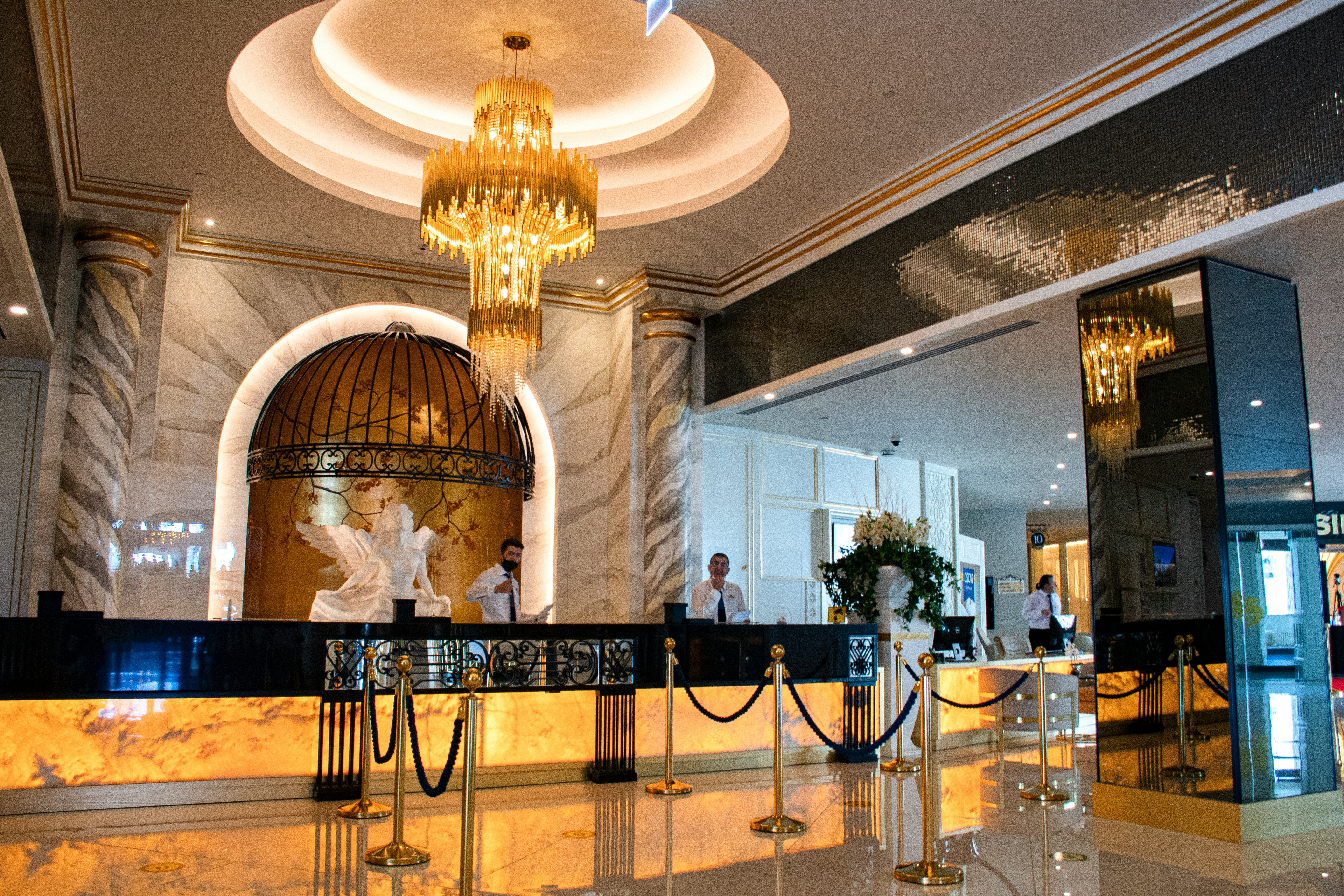
PMC plans project management & consulting work around the operating requirements of Loomis's commercial, industrial, institutional, and public facilities.

Hover or focus to preview. Select a facility type to open its full Loomis industry brief.

More PMC Services in Loomis

PMC also provides the following commercial mechanical services in Loomis. Each card opens the matching local service page.

PMC Project Management & Consulting Locations

Loomis is highlighted below. Choose any city for local project management & consulting information.

PMC Service Area We Service These Cities
Approx. drive time from Auburn

Swipe the route map sideways to follow each corridor

PMC Project Management & Consulting service locations including Loomis A map of PMC service locations along major Northern California freeways and highways. City marker colors represent approximate travel times from Auburn, with extended service reaching Truckee, Chico, Lodi, and South Lake Tahoe. SIERRA NEVADA SACRAMENTO VALLEY Sacramento River Lake Tahoe Chico: 105–120 min via CA-65 / CA-70 / CA-99 north Chico Oroville: 80–95 min via CA-65 / CA-70 north Oroville Marysville: 50–65 min via CA-65 / CA-70 north Marysville Yuba City: 50–65 min via CA-65 / CA-99 north Yuba City Woodland: 55–70 min via I-5 / CA-113 Woodland Lincoln: 25–35 min via CA-193 / CA-65 Lincoln Nevada City: 35–45 min via CA-49 north Nevada City Grass Valley: 30–40 min via CA-49 north Grass Valley Truckee: 75–95 min via I-80 / Donner Pass Truckee Colfax: 20–25 min via I-80 east Colfax Auburn: Auburn home base via PMC home base P PMC • AUBURN Loomis: 15–20 min via I-80 west Loomis Rocklin: 20–30 min via I-80 west Rocklin Roseville: 25–35 min via I-80 west Roseville Citrus Heights: 35–45 min via I-80 west Citrus Heights Sacramento: 40–55 min via I-80 west Sacramento West Sacramento: 45–60 min via I-80 west West Sacramento Davis: 55–70 min via I-80 west Davis Rancho Cordova: 45–60 min via I-80 / US-50 Rancho Cordova Granite Bay: 25–35 min via Auburn–Folsom Road Granite Bay Folsom: 35–45 min via Auburn–Folsom Road Folsom El Dorado Hills: 40–50 min via Auburn–Folsom Road / US-50 El Dorado Hills Cameron Park: 50–60 min via US-50 east Cameron Park Placerville: 45–60 min via CA-49 south Placerville Elk Grove: 60–75 min via I-80 / CA-99 south Elk Grove South Lake Tahoe: 120–150 min via CA-49 / US-50 — weather dependent. Contact PMC to confirm scheduling. South Lake Tahoe Lodi: 70–90 min via I-80 / CA-99 south. Lodi
City details Loomis, CA 15–20 min I-80 west
Nearby
15–35 min
Regional
30–65 min
Extended
55–95 min
Scheduled
90+ min